
Please Choose Your Language


Views: 0 Author: Site Editor Publish Time: 2026-07-29 Origin: Site


Property managers and homeowners often face a common breaking point. Escalating maintenance expenses, inefficient cleaning processes, and degrading property conditions force a reevaluation of daily routines. Traditional methods like garden hoses, stiff manual brushes, and harsh chemicals demand intense physical labor. You scrub for hours. The final results look uneven and frustrating. Worse, standard hoses waste hundreds of gallons of water while barely scratching the surface of deep-set grime.
Upgrading to a pressure washer changes this dynamic entirely. You shift from simply buying a heavy-duty tool to making a strategic upgrade for property management. We will explore how high-velocity water boosts operational efficiency and secures preventative maintenance. You will learn to measure the tangible benefits, navigate potential risks, and select the right equipment scale. Ultimately, this guide will help you optimize your cleaning tasks effectively.
Operational Efficiency: Drastically reduces labor time and uses up to 80% less water than standard hose methods due to high-velocity output.
Asset Preservation: Routine removal of mold, algae, and chemical buildup extends the lifespan of concrete, wood, and metal surfaces.
Risk Mitigation: Eliminates slip-and-fall hazards on walkways and reduces reliance on toxic chemical cleaners.
Scalability: Options range from lightweight electric models for residential upkeep to heavy-duty, gas-powered units for industrial compliance.
Manual scrubbing drains your energy. It consumes massive amounts of time. Imagine cleaning a large commercial driveway. Manual scrubbing with a stiff broom takes hours of exhausting labor. A standard garden hose outputs water at a sluggish 40 to 60 PSI. This weak flow requires aggressive physical effort to loosen basic dirt. Specialized equipment changes this equation entirely. You finish that same driveway in mere minutes. We must examine the fluid dynamics at play here. High pressure violently breaks the bond holding dirt to concrete. Simultaneously, an optimized GPM (Gallons Per Minute) flushes the loosened debris away instantly. This rapid, high-velocity output means you actually consume up to 80% less water than traditional methods. You work much faster. You conserve vital natural resources. You save your physical energy for other important tasks.
Surfaces degrade rapidly when left covered in environmental debris. Salt from winter roads eats deep into porous concrete. Bird droppings contain highly acidic compounds. They quickly destroy automotive paint and industrial finishes. Mold and mildew quietly rot wooden structures over time. Routine cleaning strips these corrosive elements away completely. This mechanical intervention prevents the premature decay of residential siding, outdoor decks, and expensive heavy machinery. You should view this routine maintenance as highly strategic cost-avoidance. Removing harmful buildup today actively delays costly future repairs. You push back the urgent need for expensive repainting or structural replacement. Consistent asset protection keeps overall property values exceptionally high.
Property owners constantly face serious liability risks regarding public access areas. Thick algae growing on shaded concrete walkways creates severe slip-and-fall hazards. Removing these slippery biological hazards quickly ensures pedestrian safety. It eliminates a major compliance nightmare for property managers. Furthermore, modern environmental regulations heavily scrutinize industrial runoff. Traditional cleaning often relies on pouring toxic chemical detergents over tough stains. High-velocity equipment replaces this chemical reliance with pure mechanical force. You blast away stubborn grease and heavy grime naturally. This method strongly supports eco-friendly compliance standards. It actively protects local groundwater systems from dangerous chemical pollution.
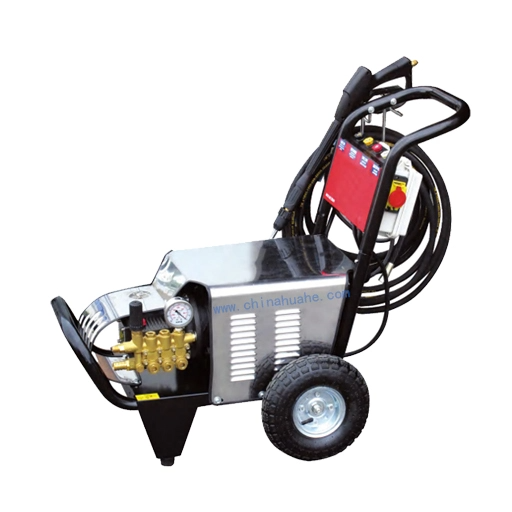
Before you purchase any equipment, you must align the machine's capability with your actual workload. Not all units perform identical tasks. Buyers often make the mistake of focusing solely on PSI (Pounds per Square Inch). This measurement defines raw stripping power. It tells you exactly how aggressively the water breaks the bond between dirt and a given surface. However, looking only at PSI tells a dangerously incomplete story. GPM defines your actual washing capability. It represents the raw volume of water pushing the debris away. Higher pressure is not always better. If the water volume remains too low, you break up the dirt but fail to clear it from the work zone. The ideal machine perfectly balances both metrics for optimal speed.
Review the performance tiers below to match your operational requirements.
Equipment Tier | Average PSI Range | Average GPM Range | Primary Application |
|---|---|---|---|
Light-Duty | 1,300 - 1,900 | 1.2 - 1.5 | Basic patio dirt, small vehicles |
Medium-Duty | 2,000 - 2,800 | 2.0 - 2.5 | Driveways, siding, fencing |
Heavy-Duty | 2,900 - 4,000+ | 3.0 - 4.0+ | Grease removal, fleet washing |
Scale dictates performance. Residential or light-duty units handle seasonal domestic tasks perfectly. They quickly clean concrete driveways, refresh wooden decks, and wash personal vehicles. Engineers typically design these as compact electric models. They produce significantly lower noise levels in quiet neighborhoods. They require minimal ongoing mechanical upkeep. You just plug them into an outlet and start working.
Conversely, an industrial high pressure washer tackles completely different environmental challenges. Builders construct these robust units for daily, punishing use. They excel at deep grease removal, commercial fleet washing, and heavy construction site preparation. They feature powerful gas-driven engines or specialized heavy-duty electric motors. Commercial models frequently include internal hot-water heating coils to melt industrial grease. They utilize highly durable triplex pumps engineered for extreme endurance. You deploy these aggressive machines when equipment downtime is absolutely unacceptable.
High-velocity water commands ultimate respect. You must handle the spray wand carefully to avoid catastrophic unintended consequences. The incredible kinetic force generated by these machines carries serious inherent risks. Poor handling leads to rapid property destruction. You risk deeply etching soft cedar on residential decks. You might accidentally strip the expensive clear coat off a commercial vehicle. Spraying water at an aggressive upward angle can force moisture directly behind vinyl siding. This hidden moisture trap invites severe mold growth deep inside residential walls.
The true benefit of high-velocity cleaning only materializes through proper physical technique. Operator skill entirely dictates the final outcome. You must maintain strict distance control from the target surface at all times. Selecting the correct spray tip is equally critical. You should follow these standard nozzle applications carefully:
0-Degree Nozzle: Delivers a pinpoint stream. It cuts through tough mud but easily damages flat surfaces.
15-Degree Nozzle: Provides heavy-duty stripping power. It works best for tough stains on solid concrete.
25-Degree Nozzle: Offers a balanced, wide fan. It serves as the ideal choice for general cleaning on siding and brick.
40-Degree Nozzle: Sprays a gentle, wide fan. It remains the safest option for washing cars and fragile surfaces.
Mechanical equipment strictly requires active, scheduled upkeep. Owning a machine involves committing to routine maintenance tasks. You must properly winterize internal pumps with antifreeze before freezing temperatures arrive. Freezing water expands and shatters internal manifolds instantly. If you run a gas-powered engine, you must schedule regular oil changes to prevent the motor from seizing. Rubber O-rings naturally dry out over time. They demand periodic replacement to prevent frustrating pressure leaks.
You should carefully evaluate the friction of purchasing versus renting based on your actual usage frequency. If you only need to clean a small backyard patio once every few years, renting makes the most practical sense. However, if your property demands regular, seasonal attention, buying becomes the vastly superior choice. Using the equipment more than three times a year generally justifies a dedicated purchase. You completely eliminate the frustrating hassle of rental store pickup and return logistics.
Selecting the right equipment requires deeply scrutinizing the internal metal components. You must partner with builders who prioritize long-term durability. The pump construction dictates the entire machine lifespan. Entry-level models frequently utilize wobble or axial cam pumps. These budget units come permanently sealed from the factory. They require absolutely zero immediate oil maintenance. Unfortunately, they also suffer a significantly shorter operational lifespan. When an axial pump finally fails, you generally discard the entire unit.
Commercial machines utilize high-end, brass-manifold triplex pumps. These premium components run much cooler under heavy friction. They last significantly longer under severe daily stress. More importantly, skilled mechanics can easily rebuild them with fresh seals. You should evaluate every high pressure washer manufacturer based heavily on this core pump hardware. Beyond the pump, examine the main frame construction. Welded, powder-coated steel frames resist heavy engine vibration much better than bolted aluminum. Inspect the supplied hose quality carefully. You want thick, anti-kink, steel-braided rubber lines. Finally, verify fitting standardization. Universal brass quick-connect compatibility saves endless frustration when swapping nozzles on the job site.
Even the best industrial hardware occasionally fails under harsh conditions. Strong aftermarket support defines a truly worthwhile investment. You should strictly shortlist equipment brands based on specific post-purchase criteria.
First, verify the widespread commercial availability of common replacement parts. A broken trigger wand or a blown O-ring should never ground your cleaning operations for weeks. Second, check for nearby authorized service centers in your region. Shipping a massive, gas-powered unit across the country for minor engine repairs wastes incredibly valuable time. Finally, read the exact warranty terms closely. Manufacturers often separate their coverage scopes strategically. They might offer a generous three-year warranty on the commercial engine but only a strict one-year warranty on the actual water pump. Clear, transparent terms indicate a highly trustworthy vendor.
We can clearly see the profound daily impact of modern cleaning technology. The true benefit of a high pressure washer lies in its strategic operational value. You trade an initial capital investment for massive long-term labor savings. You secure highly reliable asset protection that dramatically extends the physical life of your property.
To maximize your cleaning results, take these highly actionable next steps today:
Audit your most frequent cleaning tasks to deeply understand your daily physical challenges.
Define your strictly required PSI and GPM range based entirely on the hard surfaces you maintain.
Evaluate manufacturers based on internal pump quality and robust aftermarket support rather than just upfront cost.
By carefully matching the machine to your specific scope, you ensure maximum operational efficiency. You eliminate frustrating manual labor entirely.
A: You must evaluate your usage frequency. If you tackle a single weekend project, like prepping a house for sale, renting is highly practical. It requires no storage. However, if you maintain a large property, wash commercial fleets, or perform seasonal deep-cleans, purchasing yields a much higher return. Regular use beyond three times a year justifies owning the equipment. You bypass rental logistics completely.
A: Yes, absolute damage can occur without proper care. Using a 0-degree nozzle or excessively high PSI easily strips automotive paint. It can dent soft metal siding. It will violently splinter wooden decks. Safe operation requires utilizing wide-angle nozzles, typically 25° or 40°. You must also maintain a safe distance from the surface while spraying to diffuse the impact force safely.
A: Manufacturers install axial pumps in entry-level and residential models. They are simple, low-maintenance components. Unfortunately, mechanics generally cannot repair them if they fail. Conversely, you find triplex pumps on commercial units. They offer far higher efficiency. They run significantly cooler under sustained loads. Most importantly, professionals can rebuild triplex pumps, ensuring a much longer lifespan for heavy daily users.
