
Please Choose Your Language


Views: 0 Author: Site Editor Publish Time: 2026-08-06 Origin: Site


Many people view a pressure washer as harmless outdoor cleaning equipment. In reality, they are industrial-grade cutting tools masquerading as everyday maintenance gear. The concentrated kinetic energy strips away years of grime in seconds. A momentary lapse in judgment can cause catastrophic outcomes. Improper use frequently leads to severe fluid injection injuries. These injuries often require immediate emergency surgical intervention. Careless operation also causes thousands of dollars in property damage every single year. Safe usage goes beyond simply wearing gloves or safety glasses. It begins with selecting the correct machine and respecting its strict limitations. Bridging the gap between procurement and operational safety protects both operators and valuable assets. This comprehensive guide outlines rigorous operational protocols to protect you on the job. We detail how engineered safety features must dictate your entire equipment evaluation process. You will learn actionable steps to prepare your environment and handle high-velocity output safely.
Risk Mitigation is Paramount: High PSI levels can slice through skin and concrete; proper Personal Protective Equipment (PPE) and standardized operating procedures (SOPs) are non-negotiable.
Equipment Matching Prevents Damage: Using a commercial-grade machine on residential siding causes irreversible damage; matching PSI (pressure) and GPM (flow) to the specific task is critical.
Nozzle Selection Dictates Safety: The color-coded nozzle system directly controls the impact force.
Manufacturer Reliability Matters: Evaluating safety requires looking beyond power specs to the safety mechanisms (unloader valves, thermal relief) engineered by the manufacturer.
The stakes of power washing extend far beyond clean surfaces. Operational hazards pose severe physical threats to both personnel and property. Fluid injection injuries represent the most critical physical risk you face. A concentrated water stream can puncture human tissue instantly. This forces toxic water, dirt, and bacteria deep into the bloodstream. Such injuries require immediate surgical debridement to prevent severe infections or amputation. The damage often looks like a minor pinprick initially, misleading victims about its severity.
Gas-powered units introduce fatal carbon monoxide poisoning risks indoors. Exhaust fumes build up rapidly in garages or poorly ventilated sheds. Electric models carry significant electrocution hazards instead. You must route extension cords properly away from wet ground areas. Mixing high-voltage electricity with standing water creates a lethal environment.
Incorrect pressure application destroys property very quickly. Excessive force strips protective paint away from underlying surfaces. It easily splinters delicate wooden decks and fencing materials. High pressure even erodes solid mortar between masonry joints. This structural damage allows moisture intrusion behind exterior walls. Water damage leads to extremely expensive mold remediation costs later.
Adhering to strict occupational safety standards is absolutely vital. Standardized safety protocols protect home users and commercial contractors alike. Proper compliance minimizes personal liability significantly. It also prevents catastrophic asset loss during routine exterior maintenance.
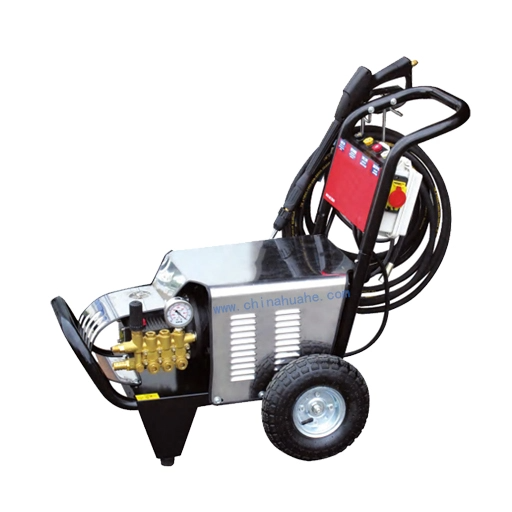
Preparation determines the overall safety of your entire cleaning project. You must establish a highly secure environment before starting the engine. Rushing the setup process leads directly to preventable accidents.
PPE Requirements
Personal Protective Equipment creates a vital physical barrier against flying debris. Never operate the machine wearing open-toed shoes or lightweight sandals. High-velocity debris easily penetrates thin clothing. Always equip yourself with the following mandatory gear:
ANSI-approved safety goggles to block chemical splash and sharp projectiles. Standard sunglasses offer zero impact protection.
Heavy-duty gloves to maintain a secure, non-slip grip on the wand.
Thick, long pants to shield your bare legs from accidental spray and ricocheting rocks.
Steel-toed or heavy work boots for maximum crush protection and foot safety.
Site Preparation
You must secure the surrounding outdoor area thoroughly before pulling the starter cord. Follow this numbered checklist to prepare your environment properly:
Clear the entire area of all tripping hazards like garden hoses and yard tools.
Remove pets, children, and bystanders from the immediate work zone completely.
Cover outdoor electrical outlets and exterior light fixtures securely with waterproof tape.
Identify older painted surfaces to check for hazardous lead paint dust.
Locate asbestos siding materials to ensure they are never washed under pressure.
Machine Inspection
Perform a rapid equipment audit before every single use. Check the high-pressure hose for dangerous bulges, kinks, or deep abrasions. Verify all rubber O-rings remain intact and seat securely inside the connections. You must turn the water supply completely on before starting. Running a dry pump causes immediate and dangerous internal cavitation.
Safe operation requires physical discipline and strict technical knowledge. You must respect the intense kickback force generated during initial start-up. Wrap your dominant hand tightly around the trigger gun. Place your non-dominant hand securely on the metal lance. Plant your feet firmly at shoulder width. Bend your knees slightly to absorb sudden recoil effectively. Maintain a firm, two-handed grip on the wand at all times. Never lock the trigger into an open position with tape or clips. You need immediate shut-off capability if you stumble or lose your balance suddenly.
Nozzle selection directly controls the machine's destructive potential. Choosing the wrong tip ruins soft surfaces in seconds. Refer to this standard nozzle color guide to determine your optimal impact force:
Standard Nozzle Configuration Guide
Color Code | Spray Angle | Primary Use Case | Associated Risk Level |
|---|---|---|---|
Red | 0° | Pinpoint stubborn stain removal | Extreme danger. Rarely recommended. |
Yellow | 15° | Concrete and solid brick stripping | High risk. Cuts heavy dirt and mud. |
Green | 25° | Wooden decks and residential siding | Moderate risk. General surface washing. |
White | 40° | Automobiles and fragile windows | Low risk. Gentle broad cleaning. |
Always practice the "top-down, keep moving" rule for optimal safety. Start your spray sequence roughly two feet away from the target surface. Gradually move closer until you achieve the desired cleaning effect safely. Keep the wand in constant, sweeping motion across the area. Lingering in one isolated spot quickly etches the underlying material.
A safe shutdown protocol is just as critical as your startup routine. First, turn the gas engine or electric motor completely off. Then, squeeze the wand trigger to relieve residual system pressure fully. Disconnecting hoses under active pressure causes violent whip-like physical reactions. Handle a high pressure washer with extreme care during every phase of operation.
Matching your machine to your workload prevents serious workplace accidents. Consumer-grade units typically output between 1,500 and 2,500 PSI. These standard machines handle seasonal driveway cleaning perfectly. They work exceptionally well for basic siding washing and routine vehicle detailing. Standard models utilize cold water and lower flow rates to protect soft exterior finishes.
An industrial high pressure washer crosses into dangerous commercial territory. These rugged units generate 3,000 PSI or significantly more. They feature high GPM flow rates and integrated hot water capabilities. You need industrial power for heavy commercial fleet maintenance. They excel at dissolving thick grease layers and stubborn oil spills. Professionals use them daily for aggressive paint stripping on solid metal infrastructure.
This increased mechanical power demands a significant safety trade-off. Industrial models clean surfaces much faster than standard residential units. However, they carry exponentially higher safety risks for the operator. The intense hot water streams cause severe thermal burns instantly. Operating commercial machinery requires stricter, documented operator safety training. Work teams must wear heavier, industrial-grade protective clothing and specialized face shields. You must evaluate your true use case carefully before upgrading. Upgrading to industrial power without proper training invites serious physical injury. Only deploy heavy commercial equipment when the specific job explicitly demands it.
Safety is never purely dependent on flawless user behavior. Excellent safety begins deeply within the engineering department. The machine itself must feature built-in protective components to prevent catastrophic failure. You cannot out-train a poorly designed mechanical system.
Look for specific mechanisms when evaluating any new cleaning unit. Unloader valves act as a vital mechanical safety net. They bypass water flow internally when you release the trigger handle. This completely prevents explosive pressure buildup inside the delicate pump manifold. Thermal relief valves protect the internal rubber seals. They automatically discharge dangerously hot water from the pump casing. This prevents the entire machine from melting or bursting violently. Electric models require factory-installed GFCI protection on the power cord. This core feature is completely mandatory for preventing fatal electrocution in wet outdoor environments.
Use careful logic when shortlisting your industrial equipment options. Vet every high pressure washer manufacturer thoroughly before making a purchase. Review their specific warranty terms regarding internal pump failures. Ensure they provide readily available replacement parts for the long term. Rubber hoses degrade naturally over time and become severe explosion hazards. You need immediate access to OEM replacements to maintain basic safety. Check their technical documentation for clear regulatory safety compliance standards. A highly reliable manufacturer prioritizes operator protection far above raw marketing specifications.
Safe pressure washing blends deep respect for power with meticulous preparation. Proper execution transforms a potentially dangerous chore into a highly efficient maintenance routine. You must wear appropriate PPE to shield yourself from severe harm. Matching the machine's technical specifications to your daily tasks prevents tragic accidents. Understanding standardized nozzle colors and optimal spray angles keeps your property intact. Operating these powerful tools requires constant vigilance from start to finish.
Take immediate action to improve your overall operational safety today. Audit your current equipment thoroughly for dangerous mechanical flaws. Discard frayed hoses and replace missing nozzle tips immediately without hesitation. Use the engineered safety criteria outlined above to evaluate potential new models confidently. Prioritize built-in safety mechanisms during your very next procurement cycle. Keep safety at the absolute forefront of every exterior cleaning project you undertake.
A: Yes. Even low-PSI models can cause severe lacerations and fluid injection injuries. A concentrated water stream easily punctures human tissue. Never point the wand at humans, pets, or animals. Treat the wand like a loaded tool at all times.
A: No. Mixing water and electricity is incredibly dangerous. Using extension cords during active rain creates a severe electrocution hazard. This remains true even if your factory cord features GFCI protection. Always wait for completely dry conditions before operating electric models.
A: A clogged unloader valve frequently causes sudden engine shutdowns. Alternatively, the internal thermal relief valve might be activating. This valve shuts the system down to protect the pump from catastrophic overheating. Check your water supply and inspect the internal valves.
A: Cold water machines work perfectly for standard dirt and mud removal. Hot water units are strictly necessary for commercial degreasing. Hot water cuts through heavy oil and industrial chemicals quickly. Choose hot water only if your daily applications require it.
