
Please Choose Your Language


Views: 0 Author: Site Editor Publish Time: 2026-08-07 Origin: Site


Unplanned equipment downtime directly impacts operational efficiency. You lose valuable time and profitability when essential cleaning machinery fails on the job. Improper maintenance of cleaning equipment quickly leads to severe internal damage. Operators frequently encounter cavitation, catastrophic pump failure, and blown water seals. Ignoring daily care turns a minor oversight into an expensive replacement nightmare. A proactive maintenance schedule maximizes equipment lifespan and ensures consistent daily performance. It preserves your warranty coverage while maintaining vital PSI and GPM output. This guide provides a transparent framework for daily, seasonal, and long-term upkeep. You will also learn how to evaluate replacement needs when equipment ages past reliable repair. We designed these strategies to keep your machinery running smoothly under demanding conditions.
Routine beats repair: Daily pre- and post-operation checks prevent 80% of common pump and engine failures.
Storage is critical: Proper winterization with anti-freeze solutions prevents internal freezing and corrosion, the leading causes of off-season damage.
Pump oil requires strict tracking: High-pressure pumps require initial oil changes after the first 50 hours, followed by standard 300-hour intervals.
Source matters: Evaluating your high pressure washer manufacturer for aftermarket support and part availability is just as important as the initial purchase price.
Routine equipment care makes undeniable financial sense. Minimal expenses for consumables prevent massive repair bills down the line. You only spend a few dollars on fresh pump oil, clean air filters, and replacement O-rings. Conversely, replacing a compromised triplex pump costs hundreds or even thousands of dollars. You save immense capital by replacing cheap components before they fail. Simple visual inspections identify small leaks early. Addressing these minor issues stops major internal mechanical failures. We highly recommend stocking basic spare parts onsite. This strategy keeps your maintenance costs incredibly low.
Equipment downtime poses severe risks for active businesses. Inconsistent maintenance on an industrial high pressure washer leads directly to erratic pressure output. Erratic performance delays project timelines and frustrates clients. Facility compliance issues often arise when cleaning protocols fall behind schedule. A malfunctioning machine forces your team to sit idle. You pay hourly wages for unproductive labor. Predictable maintenance eliminates these disruptive scheduling variables entirely.
Safety and regulatory compliance demand reliable equipment. Degraded high-pressure hoses pose severe physical risks to your operators. A burst hose injects water and chemicals deep into human skin. Faulty unloader valves also create dangerous pressure spikes. These spikes compromise the structural integrity of wands and nozzles. Proper upkeep protects your workers from unexpected mechanical explosions. A safe worksite depends entirely on rigorous, documented equipment checks.
Daily inspections form the foundation of equipment longevity. You must catch small anomalies before starting the engine.
Never start your equipment blindly. Always execute these visual and physical checks first.
Examine water inlet screens for trapped debris. Clean screens prevent cavitation and protect internal pump components.
Check engine oil and pump oil levels via the sight glass. Ensure fluids sit exactly at the halfway mark.
Inspect high-pressure hoses for abrasions, deep cuts, or kinks. Replace hoses showing exposed internal wire braids.
Verify wand integrity and examine quick-connect O-rings. Dried or cracked O-rings cause pressure leaks and erratic spray patterns.
How you shut down the machine matters just as much as how you start it. Follow these steps meticulously.
Flush the system using clean, cold water for two minutes. This step proves crucial if you used chemical injectors or heavy detergents.
Turn off the engine completely.
Squeeze the trigger gun to relieve all built-up system pressure. Static pressure damages unloader valves over time.
Disconnect all attachments, wands, and nozzles.
Drain all hoses thoroughly to prevent stagnant water buildup and internal mildew.
Deep mechanical servicing keeps core components operating at peak efficiency. Engines and pumps require distinct maintenance schedules.
Gasoline and diesel engines power the entire system. They need clean air, fresh fuel, and a strong spark. You must inspect and replace the spark plug every 100 hours of operation. A fouled plug causes rough idling and poor fuel economy. Clean the air filter weekly during dusty commercial jobs. Tap it gently to remove loose dirt. Wash foam filters using warm soapy water and let them dry completely. Always use fuel stabilizers to prevent carburetor degradation. Untreated fuel breaks down quickly and clogs tiny carburetor jets.
The pump serves as the beating heart of your cleaning system. Treat it carefully to avoid expensive rebuilds. A high pressure washer pump relies heavily on clean lubrication.
New pumps undergo a critical break-in period. Manufacturing processes leave microscopic metal shavings inside the pump casing. You must perform the initial oil change after the first 50 hours of use. This flushes out abrasive metal particles. Following this initial flush, establish a standard maintenance interval. Change the pump oil every 3 months or every 300 hours. Always use non-detergent oil specified by the manufacturer.
Water seals degrade naturally through heat and friction. You must know how to identify signs of blown water seals early. Milky pump oil indicates a severe problem. It means water bypassed the seals and mixed into the oil bath. Severe pressure drops also point to failing seals or stuck valves. Rebuild kits contain everything needed to replace these worn components.
Component | Maintenance Action | Required Interval |
|---|---|---|
Engine Oil | Drain and replace | Every 50 hours |
Pump Oil (Initial) | Drain and replace | First 50 hours |
Pump Oil (Standard) | Drain and replace | Every 300 hours |
Spark Plug | Inspect and replace | Every 100 hours |
Water Filters | Clean or replace | Weekly / As needed |
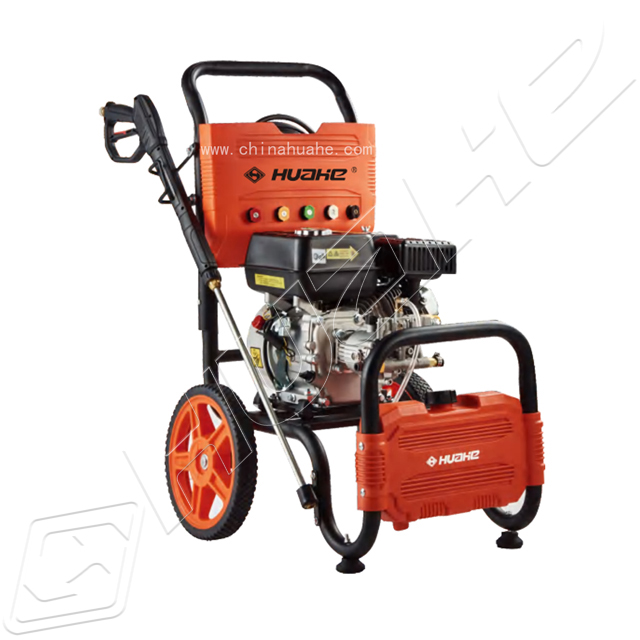
Off-season neglect destroys more machinery than active daily use. Proper storage preparations protect your investment through harsh weather.
Residual water poses a massive threat during freezing temperatures. Water expands by roughly nine percent when it turns into ice. This sudden expansion instantly cracks solid aluminum or brass pump manifolds. Even a small hairline fracture renders the pump entirely useless. You cannot weld or repair a cracked internal manifold. Prevention remains the only viable strategy against freeze damage. Never leave the machine in an unheated shed without proper winterization.
You must introduce an anti-freeze lubricant into the internal chambers. We call this fluid "pump saver." It prevents freezing and lubricates internal seals. Connect the pump saver canister to the garden hose inlet. Squeeze the trigger gun to open the system valves. Press the canister button to push the fluid through the pump. Continue circulating this antifreeze mixture until it exits the discharge port. The fluid coats the pistons and protects the unloader valve.
Gasoline deteriorates significantly over a few short months. Ethanol blends separate and absorb atmospheric moisture. This moisture corrodes the fuel tank and varnishes internal carburetor jets. You have two valid options for multi-month storage. You can drain the fuel system completely by running the engine dry. Alternatively, you can utilize high-quality marine-grade fuel stabilizers. Add the stabilizer to a full tank of fresh gas. Run the engine for ten minutes to circulate the treated fuel.
Every machine eventually reaches the end of its functional lifespan. You must evaluate replacement timelines objectively.
First, assess if your current equipment still meets your actual site requirements. Your business needs likely evolved over time. Evaluate whether your current pressure washer produces the necessary PSI and GPM. Underpowered units force operators to work longer hours. Consider the duty cycle of your machine. If you exceed the recommended daily run time, the pump will fail prematurely. Align your equipment capabilities directly with your operational outcomes.
Financial logic dictates when you should discard old equipment. Industry professionals rely on the standard 50% rule. You should upgrade your machine if repair costs exceed 50% of a new unit's replacement cost. Do not sink excessive capital into an aging motor. Frequent breakdowns also incur hidden labor costs. Factor lost productivity into your overall repair estimates.
Consumer-grade equipment cannot support growing commercial enterprises. You must recognize scalability limitations early. Axial cam pumps work perfectly for occasional weekend chores. However, they feature sealed, non-repairable designs. Upgrading becomes mandatory for heavy-duty, continuous operation. Commercial triplex plunger pumps offer distinct advantages. They run cooler, last thousands of hours, and allow for complete internal rebuilds. Choose triplex pumps when your business requires relentless reliability.
Your initial purchasing decision heavily dictates your long-term maintenance reality. Brand selection goes far beyond the sticker price.
You need immediate access to replacement parts when things break. Assess manufacturers based on the standardized availability of consumables. Can you easily find unloader valves, rebuild kits, and nozzles? Avoid brands using highly proprietary dimensions. Standardized components keep your repair costs low and minimize shipping delays. You want parts readily available at local hardware stores or regional supply houses.
A transparent warranty policy protects your capital investment. Understand the importance of choosing a dependable manufacturer. A quality high pressure washer manufacturer provides an easily accessible service network. You need local authorized repair centers. Avoid proprietary, closed-loop systems. Closed systems force you to ship heavy equipment back to a central factory. This process takes weeks and halts your operations entirely. Prioritize brands offering open, flexible service options.
OEM build quality directly dictates your long-term maintenance requirements. Better materials survive harsher environments. Compare brass manifolds against aluminum ones. Brass resists chemical corrosion and thermal expansion much better than aluminum. Examine the internal plungers. Ceramic plungers resist heat and friction significantly better than solid stainless steel. Investing in superior raw materials drastically extends the time between major overhauls. Quality materials always yield predictable performance.
Proper maintenance completely shifts equipment management away from reactive firefighting. You move toward predictable, manageable operational expenditures. Daily inspections take only minutes but save thousands of dollars annually. We highly advise changing fluids diligently and winterizing equipment perfectly. For organizations experiencing frequent breakdowns, conduct an immediate equipment audit. Compare your current machinery against your actual daily usage requirements. Encourage your team to establish a strictly logged maintenance schedule. Evaluate commercial-grade replacements promptly if your current units fail past their logical ROI threshold. Proactive care guarantees reliable cleaning power exactly when you need it most.
A: You must use non-detergent pump oil. It lacks the cleaning additives found in standard engine oil. Engine oil additives foam under high friction. Foaming traps air and compromises crucial lubrication. Always follow the manufacturer-recommended non-detergent formulation to prevent internal pump damage.
A: Commercial operators should routinely replace water seals every 300 to 500 hours. You must change them immediately if you notice severe pressure drops. Milky pump oil also indicates a blown seal. Routine heavy usage usually requires an annual seal rebuild.
A: Pulsing usually indicates severe water flow restrictions. Clogged nozzles restrict output and bounce the unloader valve. Air trapped inside the hoses also causes erratic surges. Check your inlet screens for debris and bleed all air from the lines before inspecting the valves.
A: You should never leave untreated fuel in the tank. Stale gas varnishes the carburetor and clogs the jets. This causes severe starting issues next season. Always drain the fuel system completely or utilize a marine-grade fuel stabilizer before long-term storage.
