
Please Choose Your Language


Views: 0 Author: Site Editor Publish Time: 2026-07-30 Origin: Site


Every weekend warrior and business owner eventually faces a fundamental dilemma when buying cleaning equipment. You risk overspending on a massive commercial unit for basic weekend chores, or you severely under-equip a growing business with a residential machine. The latter usually burns out within just a few weeks of heavy use. While both categories technically spray pressurized water, their internal engineering tolerances differ dramatically. Continuous run times, component materials, and overall durability divide these machines into completely different leagues. A standard washer built for occasional driveway cleaning simply cannot survive a daily industrial workload.
Choosing the right equipment requires looking past the flashy marketing jargon on the box. You must evaluate specific mechanical components, daily usage volume, and hidden compliance risks. We will explore these core differences in detail so you can make an informed, confident purchase. Understanding these mechanical variables prevents frustrating equipment failures mid-job.
Pump Architecture: Residential units typically use axial cam or wobble plate pumps rated for 60–100 hours of total lifespan; commercial units utilize rebuildable triplex plunger pumps designed for thousands of hours.
Performance Metrics: While residential machines often boast high PSI (pressure), commercial units prioritize higher GPM (flow rate) to drastically reduce cleaning time on large sites.
Liability and Compliance: Using a residential washer for commercial jobs can void the manufacturer’s warranty and potentially expose the operator to insurance liabilities.
Cost Efficiency: Replacing burned-out residential units multiple times a year is ultimately more expensive than the upfront investment in a commercial-grade machine.
You must understand the mechanical differences between consumer and professional machines. A basic pressure washer looks highly similar across price tiers on a retail shelf. However, the internal components tell an entirely different story. The true value lies beneath the plastic housing.
Pumps dictate overall equipment lifespan. Residential models utilize axial cam or wobble plate pumps. These specific designs push spring-loaded pistons using a spinning angled plate. They are sealed, non-serviceable units. You cannot repair them easily. Once an internal seal fails, you usually discard the entire machine. Manufacturers rate these entry-level pumps for roughly 60 to 100 hours of total use. For a homeowner, this lifespan covers several years. For a working contractor, it lasts only a few days.
Commercial models use forged-brass triplex plunger pumps. They feature heavy-duty ceramic plungers driven by a robust crankshaft. You can easily rebuild them. You replace individual valves, seals, and rings as they wear out over time. Triplex pumps run efficiently for thousands of hours under extreme loads.
Motors also separate the two tiers drastically. Consumer engines handle intermittent jobs quite well. They run smoothly for short bursts. However, they lack robust internal cooling systems. Prolonged use causes them to overheat rapidly. Commercial engines are fundamentally different machines. They feature cast-iron cylinder sleeves for longevity. Their advanced air filtration systems handle dusty construction sites effectively. Professional engines feature low-oil shutdown sensors to prevent catastrophic failures. They run constantly for eight hours without overheating or dropping RPMs.
Look closely at the equipment chassis. Residential machines use lightweight aluminum or thin plastic frames. They utilize standard rubber hoses. Connection points often rely on proprietary plastic fittings. These plastic threads strip easily after repeated use.
Commercial machines use heavy-gauge welded steel frames. They utilize steel-braided, non-marking rubber hoses. These thick hoses resist punctures when dragged across concrete. All connection points use standard brass quick-connect fittings. Brass prevents stripping and handles constant daily attachment cycles perfectly. Professional frames also incorporate anti-vibration rubber mounts to protect the engine.
Component | Residential / Consumer Grade | Commercial / Professional Grade |
|---|---|---|
Pump Type | Axial Cam or Wobble Plate | Forged-Brass Triplex Plunger |
Lifespan | 60 to 100 hours | 2,000+ hours (Rebuildable) |
Fittings | Proprietary Plastic or Aluminum | Standardized Brass Quick-Connects |
Hose Material | Standard Thermoplastic / Rubber | Steel-Braided, Non-Marking Rubber |
Frame | Lightweight Aluminum or Plastic | Heavy-Gauge Welded Steel |
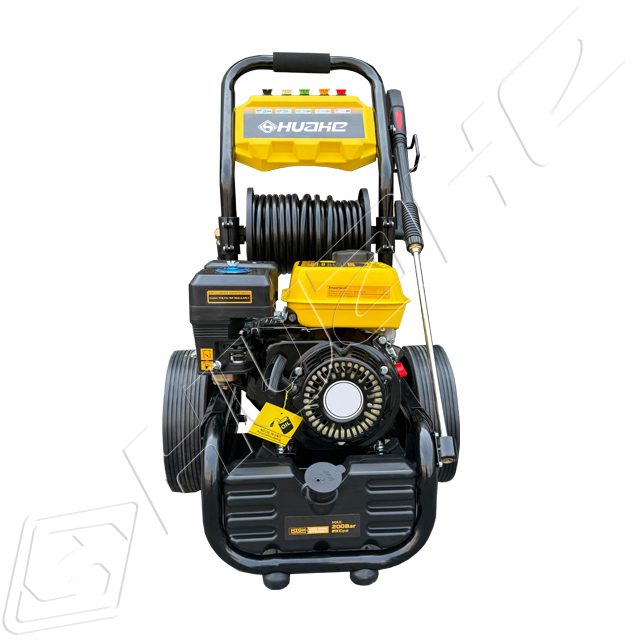
Residential units serve a highly specific, limited purpose. They handle light duty cleaning around your personal property. When used correctly, they provide excellent value for typical homeowners.
They excel at occasional driveway and sidewalk cleaning. You can wash vinyl siding safely every spring. They prepare wooden decks perfectly for a new coat of stain. Personal vehicle detailing represents another perfect application. You pull the machine out on a sunny Saturday afternoon. You clean for an hour or two. You store it away in the garage until next month.
These machines typically max out around 2.0 to 2.5 GPM (Gallons Per Minute). They push a moderate volume of water. They perform adequately for small surface areas. Engineers design them to run for brief, intermittent periods. A standard cleaning session should not exceed two continuous hours. Pushing past this limit risks thermal overload.
You must avoid long bypass times aggressively. When you release the trigger wand, the pump enters bypass mode. Water circulates endlessly inside the closed pump head. Friction heats this trapped water rapidly. If left running without spraying, the pump overheats. Plastic valves and internal seals melt within two to three minutes. A thermal relief valve might pop to dump hot water, but permanent damage often occurs first. Non-rebuildable components mean this failure destroys the entire pump assembly. You must buy a completely new machine.
Professional environments demand relentless daily performance. Business operations cannot pause for overheated cleaning equipment. Commercial machines handle severe punishment across diverse job sites.
Contractors use them heavily for post-construction site cleanup. Transport companies rely on them for daily fleet washing. Restorers use them for heavy concrete surface preparation. They remove stubborn grease, oil, and industrial sludge effortlessly. Agricultural businesses use them to sanitize heavy farming machinery.
Flow rate defines this professional category. Commercial units deliver extremely high GPM. They range from 3.0 to over 8.0 GPM. This massive water volume pushes thick debris efficiently across wide areas. They run continuously for four to eight hours daily. They maintain consistent pressure outputs regardless of runtime.
An industrial high pressure washer often includes advanced mechanical features. Hot water and steam capabilities change the cleaning dynamic completely. Hot water dissolves grease fast. It interacts better with specialized chemical detergents. Drive systems also upgrade significantly on these units.
Direct drive units connect the pump directly to the engine shaft. This spins the pump at high 3400 RPMs. Belt-drive or gear-drive systems separate the pump from the engine block. Pulleys and belts absorb harsh engine vibration effectively. They reduce pump RPM drastically down to 1400 RPMs. Lower RPMs generate significantly less heat. Less heat extends equipment life by several years. Plungers and seals simply endure less friction per minute.
Choosing properly requires a highly structured approach. You must evaluate your specific needs objectively. Let marketing hype fade into the background. Focus strictly on mechanical capabilities and your actual daily workload.
Determine your exact weekly usage accurately. Track how many hours you actually pull the trigger wand. If your usage exceeds five to ten hours weekly, upgrade immediately. A commercial unit prevents rapid component degradation. Using consumer gear for heavy workloads guarantees mechanical failure. Be honest about your project scale. Cleaning a 200 square foot deck requires minimal stamina. Cleaning a 10,000 square foot commercial parking lot demands heavy-duty hardware.
Many buyers obsess over high PSI (Pounds per Square Inch) ratings. High PSI is mostly a vanity metric for general cleaning tasks. Extreme pressure can actually damage concrete, splinter wood, and strip vehicle paint. Contractors prioritize GPM (Gallons Per Minute) instead.
High GPM means more total water flow. Flow acts exactly like a push broom. It washes broken dirt away instantly. Higher flow increases cleaning speed across large surface areas. Faster cleaning improves your labor ROI drastically. For business owners, time saved equals money earned.
Operating consumer equipment on commercial job sites carries hidden risks. Manufacturers specify intended usage limits clearly in their manuals. Using a residential unit commercially voids the warranty instantly. If the axial pump fails, you pay for the full replacement yourself.
Insurance adds another layer of complexity. Commercial liability claims require rigorous investigation. Damages occurring from unrated, consumer-grade equipment complicate claims heavily. Insurance providers may deny coverage entirely. They expect professional contractors to use compliant, professionally rated gear.
Buying the equipment is only the first step. You must plan for long-term daily operation. Proper maintenance keeps your investment running smoothly. Finding the right supply partner ensures you never face extended downtime.
Commercial ownership requires strict adherence to maintenance schedules. You cannot neglect a triplex pump. Preventive care extends machinery life exponentially. Follow these standard procedures:
Pump Oil Changes: You must change triplex pump oil after the first 50 hours. Subsequent changes occur every 300 hours or annually.
Engine Maintenance: Engine oil requires frequent replacement during peak summer seasons. You must clean air filters weekly on dusty sites.
Winterizing: You must flush pumps with antifreeze before freezing temperatures arrive. Ice expansion destroys brass pump heads instantly.
Seal Inspections: You must replace worn rubber O-rings on quick connects often. Damaged O-rings cause severe pressure loss.
Filter Checks: Water inlet filters need daily inspection. Debris entering the pump destroys ceramic plungers quickly.
Where you buy matters as much as what you buy. Big-box retail stores sell basic consumer goods. They rarely stock rebuild kits, unloader valves, or specialized replacement parts. We strongly recommend buying directly from an established high pressure washer manufacturer or authorized industrial dealer.
Specialized dealers provide immense operational value. You gain direct access to OEM replacement parts. They offer custom rig setups for trucks and heavy transport trailers. Their technicians provide specialized service and expert troubleshooting over the phone. This ongoing relationship keeps your equipment running. It keeps your business profitable and prevents job site delays.
The choice between commercial and residential categories boils down to duty cycle and serviceability. Total hours of use dictate the mechanical grade you truly need. Homeowners should stick to affordable residential units for seasonal chores. However, they should immediately upgrade to high-quality steel-braided hoses for better handling.
Business owners must audit their internal labor costs immediately. If low flow rates consistently bottleneck your job completion times, upgrade to a commercial unit today. Do not waste wages waiting on slow equipment. We encourage readers to consult an equipment specialist. They will help you spec the exact PSI, GPM, and drive-type required for your specific application. Buying the correct machine once saves you endless frustration.
A: You can start with one to test the waters, but expect the pump to fail quickly under daily use. It also carries immediate warranty voids and potential insurance risks. A residential pump cannot survive continuous operation. You should upgrade to a commercial unit once revenue allows.
A: PSI breaks the bond of the dirt on the surface; GPM washes it away. For large areas like driveways or commercial concrete floors, GPM is strictly more important for speed. Higher flow saves hours of labor. High PSI is only needed for extreme stain removal.
A: Evaluate this based on project frequency. If you need heavy-duty cleaning more than three to four times a year, purchasing yields a much better ROI. Repeated daily rental fees quickly exceed the cost of buying a reliable entry-level commercial unit.
A: You are paying for premium mechanical longevity. Commercial units feature rebuildable brass triplex pumps, heavier-duty engines, and belt-driven systems. They use standard brass fittings and parts that withstand daily abuse. You are avoiding cheap plastic throw-away components entirely.
