
Please Choose Your Language


Views: 0 Author: Site Editor Publish Time: 2026-08-21 Origin: Site


Facility cleanliness is never just a visual choice. It acts as a critical driver for operational uptime. It ensures strict safety compliance. It also extends long-term asset longevity. Many factory managers notice a common operational bottleneck. Standard commercial cleaning equipment often fails. These lighter machines simply cannot handle a rigorous 24/7 manufacturing environment. They break down frequently under daily stress. This leaves maintenance teams highly frustrated. It causes production lines to stall completely. Dirt and heavy grime can ruin delicate sensors. They can cause mechanical parts to jam.
Evaluating an industrial-grade pressure washer shifts this dynamic entirely. You must treat it as a strategic procurement decision. It is not just another simple maintenance purchase. Upgrading your equipment solves deep operational challenges. You will learn how the right system prevents costly downtime. We will explore core factory applications. You will discover technical criteria for selecting the best equipment. Finally, we cover operator safety and intelligent vendor selection.
Durability Gap: Standard commercial units are built for intermittent use; industrial models are engineered for continuous, daily operation (duty cycles of 8+ hours).
Targeted Efficiency: Selecting the right combination of pressure (PSI), flow rate (GPM), and temperature dictates whether a cleaning task takes hours or minutes.
Measurable ROI: Upgrading equipment reduces labor costs, minimizes water consumption, and directly prevents expensive production downtime.
Vendor Importance: Partnering with a specialized high pressure washer manufacturer ensures long-term parts availability, safety compliance, and localized service SLAs.
Start by defining the exact technical threshold. Many buyers confuse commercial and industrial classifications. Commercial machines handle moderate, occasional cleaning. You might use them a few hours a week. Industrial machines tackle relentless daily abuse. They thrive under continuous eight-hour shifts. They handle harsh factory environments without complaining.
Compare their internal components closely. Commercial units typically use direct-drive pumps. They often feature plastic valves and weaker seals. These parts wear out quickly under stress. Direct-drive pumps spin at high speeds. They generate excessive heat. A true industrial machine uses belt-driven triplex plunger pumps. They feature solid ceramic plungers. Ceramic resists scoring and thermal shock perfectly. Belt drives run at much lower RPMs. This design absorbs vibration efficiently. It drastically reduces heat buildup. It extends pump life significantly.
Using inadequate machines creates hidden financial costs. You face frequent pump burnouts constantly. Labor times drag on endlessly. Cleaning results look highly inconsistent across the plant. Your maintenance staff wastes hours struggling with broken tools.
We can build a simple decision matrix. Look at your weekly usage carefully. If usage exceeds 20 hours a week, upgrading is a mathematical necessity. You must focus on long-term lifecycle value. Investing in heavier equipment pays off through massive reliability gains.
Equipment Grade Comparison Matrix
Feature | Commercial Grade | Industrial Grade |
|---|---|---|
Pump Type | Direct-drive | Belt-drive triplex |
Plunger Material | Stainless steel or plastic | Solid ceramic |
Operating RPM | High (Often 3400+ RPM) | Low (Typically under 1500 RPM) |
Weekly Duty Cycle | Under 20 hours | 40 to 60+ hours |
Primary Value Focus | Low initial purchase price | Maximum operational uptime |
Common Mistake: Never buy equipment based solely on its initial sticker price. Purchasing three commercial units over two years costs more than buying one proper industrial unit.
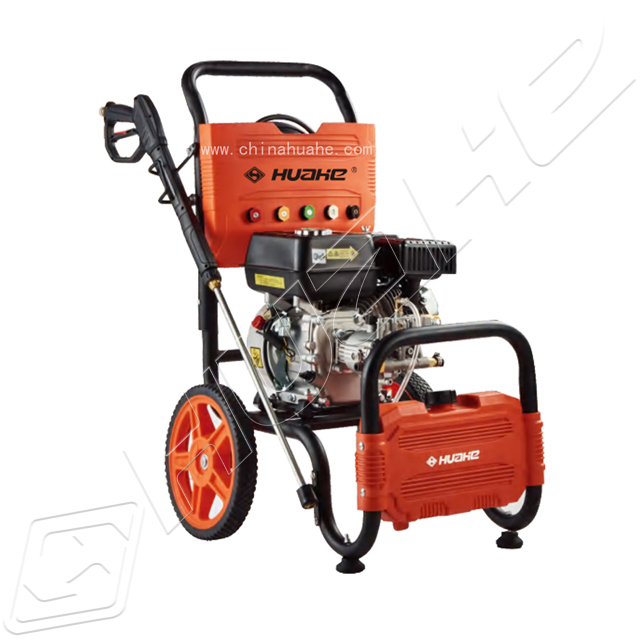
Factories demand specialized, heavy-duty cleaning strategies. Let us explore production line degreasing first. Hot water units easily break down thick hydraulic fluids. They melt away stubborn cutting oils. They remove baked-on carbon effectively. You achieve this without relying on excessive chemical solvents. This process utilizes saponification. Heat breaks the chemical bonds of oil rapidly. This protects your fragile mechanical parts. It also protects the surrounding environment.
Next, consider HVAC and cooling tower maintenance. Factories need precise climate control to function. Heat exchangers collect scale and mineral deposits rapidly. Heavy-duty cleaning safely descales these cooling fins. It restores energy efficiency immediately. You must use wider nozzles to avoid bending delicate aluminum fins.
Heavy machinery requires constant preventative prep. Fleet vehicles gather thick, hardened mud. Industrial particulate coats sensitive mechanical parts. A heavy-duty industrial high pressure washer blasts away this slag easily. It reveals the bare metal underneath. Mechanics can then perform accurate, non-destructive inspections. This drives highly effective preventative maintenance programs.
Safety remains a top priority in manufacturing. High-impact washing eliminates dangerous slip-and-fall hazards. It washes away grease pooling on walkways quickly. It also controls combustible dust buildup. Wet cleaning methods suppress airborne silica dust effectively. Meeting strict OSHA compliance becomes much easier.
Understanding technical specs prevents costly procurement mistakes. Let us demystify the "Cleaning Units" metric. You calculate this by multiplying PSI by GPM. Pressure (PSI) loosens the dirt from surfaces. Flow (GPM) washes that dirt away. High GPM often matters much more. It flushes heavy factory debris faster than sheer PSI alone.
You must choose the right thermal capability. Consider these specific options:
Cold Water: This works best for loose, non-oily dirt. It easily removes basic mud and sand from equipment.
Hot Water: You need this specifically for oils. It quickly melts heavy grease and tough animal fats.
Steam: This is completely necessary for deep sanitization. Food processing plants rely on it daily. It also dissolves extreme industrial resins.
Power source limitations dictate your installation options. You must evaluate electric versus gas or diesel. Indoor factory use strictly dictates electric motors. You must comply with indoor air quality rules. Gas engines produce deadly carbon monoxide gas. You cannot risk severe emission violations indoors. Many electric models now use Variable Frequency Drives (VFD). These optimize energy consumption perfectly.
Finally, evaluate mounting and mobility requirements. Stationary wash bays offer strong centralized power. They work very well for fixed cleaning stations. Portable skid-mounted units offer excellent flexibility. Cart-mounted models navigate tight, crowded factory layouts easily.
Best Practice: Always match your nozzle degree to the specific surface. Use a 40-degree nozzle for sweeping flat floors. Use a 15-degree nozzle for chiseling away hardened slag.
Upgrading equipment creates massive operational impact. Look closely at labor hour reduction. We can model this logically. Manual scraping takes several hours. Low-pressure washing wastes valuable time. Shifting to heavy-duty systems cuts cleaning labor by up to 75%. A task taking four hours now takes 45 minutes. Your team cleans much faster. They return to highly productive tasks sooner.
Resource efficiency also improves dramatically. An engineered high pressure washer uses far less total water. A standard garden hose uses roughly 15 GPM at 60 PSI. A heavy-duty machine uses 4 GPM at 3000 PSI. The latter uses 70% less water. It does fifty times the mechanical work. This massive water reduction aids your corporate sustainability goals. It lowers your facility utility bills simultaneously.
Do not ignore preventative maintenance ROI. Frame this equipment as an ultimate asset protector. Manufacturing equipment suffers constantly from corrosive agents. Industrial chemicals and salt eat away at metal surfaces. Removing these agents extends the capital lifespan of your machinery. Your expensive factory equipment lasts several years longer.
You must address skeptical realities regarding wastewater runoff. The EPA monitors industrial discharge very strictly. You cannot simply wash chemicals down a storm drain. You must implement professional water recovery systems. Oil-water separators are absolutely necessary. They capture industrial chemicals before they hit the municipal drain. This keeps your facility perfectly compliant.
Operator safety requires your strict attention. You must outline mandatory safety protocols for all staff.
Conduct thorough, mandatory training for zero-degree nozzles. These pinpoint streams can puncture human skin instantly.
Mandate heavy-duty PPE for handling high-heat lances. Severe thermal burns happen very quickly.
Enforce strict electrical safety in all wet environments. Inspect all grounding cables and GFCI outlets daily.
Review your infrastructure prerequisites before final installation. You may need to upgrade factory electrical panels. Heavy machines often require 460V 3-phase power. You must also ensure adequate incoming water flow. A starved pump will cavitate instantly. Cavitation destroys the internal ceramic plungers. Always measure your water supply flow rate beforehand.
Selecting the right vendor impacts your success heavily. Look for deep vertical expertise. It matters greatly when a brand understands specific manufacturing niches. Food-grade facilities need entirely different specs than heavy metallurgy plants. A highly knowledgeable high pressure washer manufacturer guides you perfectly. They recommend the exact pump seals you need.
Focus deeply on Service and Parts SLAs. This represents the most critical procurement factor. Evaluate manufacturers based on replacement wear parts availability. You need rapid access to seals, hoses, and unloader valves. Ask clearly about local technician dispatch times. Down machines halt factory production. You cannot wait three weeks for a simple replacement valve.
Seek strong customization capabilities. Look for vendors willing to engineer highly specific solutions. You might need explosion-proof units for hazardous environments. These require specialized NEMA-rated electrical enclosures. You might want custom automated conveyor belt cleaners. A strong vendor builds exactly what your layout demands.
Take a clear next-step action. We advise procurement teams to request a thorough site audit. Ask for an on-site product demonstration. Watch the machine tackle your specific grime. Do this prior to issuing any formal RFQ.
Industrial washing equipment represents a highly strategic investment. It guarantees facility uptime. It drives essential workplace safety. It is much more than a routine maintenance expense. Upgrading removes severe operational bottlenecks. Your team accomplishes heavy cleaning tasks in minutes instead of hours.
Decision-makers must prioritize long-term lifecycle value. Do not focus solely on the initial retail price. Look closely at the massive operational returns. High-quality components prevent continuous breakdowns. They save countless maintenance hours.
Consult with an industrial cleaning specialist today. Have them audit your current water flow accurately. Let them assess your electrical power availability. Identify your specific cleaning bottlenecks immediately. Make the upgrade and secure your factory's productivity.
A: These robust machines offer an impressive lifespan. You can expect them to last 7 to 10 years or more. This requires following a proper daily maintenance schedule. In contrast, standard commercial units typically fail within 1 to 2 years under harsh factory conditions.
A: No, you absolutely cannot. Running hot water through a cold-water pump causes severe technical damage. It leads to rapid pump cavitation immediately. The excessive heat will quickly destroy internal seals. Always use equipment specifically engineered for high thermal temperatures.
A: A belt-drive pump runs at much lower RPMs than a direct-drive model. This unique design absorbs engine vibration. It significantly reduces heat buildup inside the pump casing. Lower heat and less vibration remain mandatory features for continuous, heavy-duty factory use.
A: It heavily depends on your specific factory operations. You must consider the exact chemical runoff you produce. Local municipal discharge laws also dictate strict permit requirements. We highly recommend consulting your facility's EHS officer before operating the equipment indoors.
