
Please Choose Your Language


Views: 0 Author: Site Editor Publish Time: 2026-08-25 Origin: Site


B2B equipment sourcing always carries incredibly high stakes for facility managers and field contractors. Unexpected downtime from inferior equipment quickly drains operational profitability. You lose revenue every single minute your crews wait for broken machinery to restart. Buying a consumer-grade unit off a retail shelf differs vastly from partnering through a legitimate supply chain. Heavy-duty, continuous-use environments demand resilient machinery, robust part availability, and prompt technical support.
Evaluating a reliable partner requires looking far beyond initial sticker prices. You must deeply assess engineering standards, component quality, and after-sales infrastructure. We will guide you through this critical vetting process step by step. You will learn how to verify pump architecture, analyze warranty reality, and check industry compliance before signing any purchase order.
Component transparency is non-negotiable: Reliable manufacturers disclose pump origins (e.g., triplex plunger pumps), motor specifications, and frame materials.
Post-sale infrastructure validates the manufacturer: Warranty clarity, dealer networks, and rapid parts deployment separate credible partners from high-risk suppliers.
Compliance mitigates risk: Legitimate manufacturers carry verifiable safety and environmental certifications (UL, CE, CETA).
Equipment failure in commercial cleaning, construction, or fleet maintenance halts production entirely. Budget machines often look appealing on initial purchase orders. However, they routinely fail under rigorous 40-hour work weeks. The cost of a 48-hour breakdown often exceeds the price gap between premium and budget machines. Workers stand idle while facility managers scramble for replacement parts. This scenario highlights why selecting the right high pressure washer manufacturer becomes a critical operational decision.
You must address the core difference between Original Equipment Manufacturers (OEMs) and white-label assemblers. True OEMs engineer their systems internally. They control the assembly line. They test components under extreme stress. Importers often merely re-badge generic components. They lack direct control over production quality. They cannot guarantee consistent performance across different product batches. Relying on importers introduces massive operational risk.
A successful manufacturer partnership yields highly predictable maintenance schedules. It guarantees minimal downtime. It provides verifiable operational metrics. You want a machine built for daily abuse. Premium equipment handles continuous operation effortlessly. When you invest in properly engineered units, your teams work faster. Your maintenance crews spend less time fixing broken valves. Ultimately, a reliable manufacturing partner protects your bottom line.
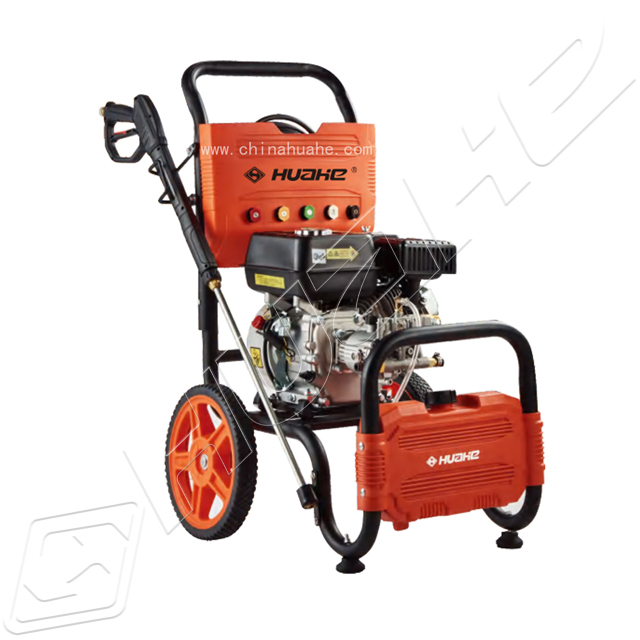
Pump architecture stands as the beating heart of any reliable machine. Demand manufacturers utilizing heavy-duty triplex plunger pumps. These pumps feature ceramic plungers. Ceramic resists extreme heat buildup. They also use forged brass manifolds. Forged brass prevents cracking under intense pressure. Conversely, consumer-grade axial cam pumps belong in residential garages. They cannot survive daily industrial abuse.
You must rigorously evaluate the chosen engines or electric motors. Look for brands specifying industrial-grade power units. Drive systems matter just as much. Belt-drive systems absorb engine vibration effectively. They also reduce pump RPM. Lower RPM means less friction and heat generation. Direct-drive systems transfer heat directly into the pump. They run at higher speeds. Continuous use quickly destroys direct-drive configurations.
Inspect the structural integrity of the chassis. Reliable equipment uses heavy-gauge welded steel. Some premium units use aircraft-grade aluminum. Aluminum resists rust in wet environments. Excellent designs incorporate thick vibration isolators. These rubber mounts prevent metal fatigue. Finally, durable powder-coated finishes resist harsh chemicals and UV exposure.
Pump and Frame Comparison Chart
Component Feature | Consumer-Grade Assembly | Industrial-Grade Engineering |
|---|---|---|
Pump Type | Axial cam pump (aluminum manifold) | Triplex plunger pump (forged brass) |
Drive System | Direct-drive (high RPM, high heat) | Belt-drive (low RPM, vibration isolated) |
Frame Material | Thin tubular steel (painted) | Heavy-gauge welded steel or aluminum (powder-coated) |
Plunger Material | Stainless steel | Solid ceramic |
Supply chain transparency separates legitimate factories from fleeting operations. Always question the parts inventory of your prospective partner. Ask them about average lead times. Critical replacement parts include unloader valves, pressure seals, and reinforced hoses. These items naturally wear down over time. Waiting three weeks for a simple unloader valve cripples your daily operations. Swift parts deployment keeps your crews moving.
Scrutinize all warranty terms carefully. Trustworthy manufacturers never hide behind vague promises. They offer clear distinctions across different components. You should see separate coverage durations for the pump, the motor, and general wear parts. Be extremely cautious regarding "lifetime" claims. Dishonest suppliers use lifetime claims while burying strict technical exclusions in the fine print. Genuine warranties list documented operational parameters clearly.
Determine technical support access before spending any capital. Your in-house maintenance teams need detailed service manuals. They require clear exploded-view diagrams. Direct engineering support proves invaluable during complex troubleshooting sessions. Follow this evaluation protocol:
Request a sample service manual for your desired model.
Call the technical support line to test their response time.
Verify the location of authorized local service centers.
Confirm they offer proper maintenance training resources.
A credible pressure washer supplier wants your maintenance team to succeed independently.
Safety certifications act as non-negotiable baselines. Verify authentic markings across all equipment. Look for UL (Underwriters Laboratories), CSA, or CE badges. These markings ensure machines meet strict electrical safety standards. They protect your operators from fatal electrical faults. Uncertified equipment introduces massive liability risks into your facility.
Environmental compliance requires equal attention. Gas and diesel units must adhere strictly to current EPA standards. Local emission laws often dictate strict exhaust requirements indoors. Wash-bay setups face heavy water runoff regulations. Ask if the manufacturer offers wastewater recovery integration. Capturing and filtering runoff keeps your business compliant. It prevents devastating environmental fines.
Look closely at industry association memberships. Organizations like CETA (Cleaning Equipment Trade Association) uphold high standards. Affiliation indicates a strong commitment to industry best practices. It shows the factory invests in continuous improvement. Fly-by-night importers rarely bother joining professional trade associations.
UL / CSA / CE: Verifies electrical and operational safety.
EPA Compliance: Ensures safe exhaust emissions for combustion engines.
CETA Membership: Demonstrates dedication to professional cleaning standards.
Start your vetting process by requesting specific case studies. Ask for reference clients matching your exact industry. Agriculture, oil and gas, and food processing all pose unique challenges. Equipment thriving in a food processing plant might fail on a muddy construction site. Demand field viability proof. A reliable high pressure washer builder gladly shares success stories.
Test their technical expertise during initial consultations. Reliable experts ask you detailed questions first. They will inquire about your water source quality. They will ask about daily usage hours. They need to know your target contaminants. Only amateurs recommend a specific PSI or GPM configuration before understanding your exact application. True professionals engineer a solution around your daily realities.
Assess their overall customization capabilities. Standard retail units rarely fit specialized industrial needs. Your facility might require explosion-proof motors. You might need specific multi-gun setups for large wash bays. Assess whether they have an established custom-engineering workflow. An authentic industrial high pressure washer supplier builds to your exact specifications easily. They see customization as standard operating procedure.
Evaluating a manufacturing partner requires strict focus on long-term operational stability. Always prioritize component transparency, engineering quality, and proven support infrastructure. Upfront costs mean very little if the machine breaks down weekly. A robust chassis, a triplex plunger pump, and a belt-drive system will outlast any budget alternative.
Remember this choice initiates a long-term operational partnership. Your chosen supplier dictates how fast you recover from inevitable mechanical wear. You rely on their parts inventory and engineering expertise to keep your business running smoothly.
Stop settling for consumer-grade machinery in industrial environments. Request a detailed technical specification sheet today. Schedule a comprehensive site assessment. Contact a qualified engineering team to discuss your exact industrial cleaning requirements immediately.
A: Commercial units handle intermittent cleaning tasks a few days per week. Industrial models endure daily continuous use. Industrial machines utilize heavy-duty triplex plunger pumps, lower RPM belt-drive systems, and thicker welded-steel frames to survive constant abuse.
A: PSI delivers the cleaning force, while GPM dictates cleaning speed. Both metrics matter immensely. However, a manufacturer's ability to sustain those exact specifications without rapid component degradation proves far more critical than the numbers alone.
A: Buying directly offers strong customization options and potential cost savings. Distributors provide immediate localized support. Distributors carry replacement parts locally and offer on-site maintenance, reducing your operational downtime significantly.
A: High-quality industrial units typically run between 2,000 and 5,000 hours. Achieving this lifespan requires strict adherence to the manufacturer's preventative maintenance schedules, including regular oil changes and prompt seal replacements.
