
Please Choose Your Language


Views: 0 Author: Site Editor Publish Time: 2026-08-12 Origin: Site


Buyers face a core dilemma when selecting commercial cleaning equipment. You must decide between the lower barrier to entry of a cold unit and the superior efficiency of a hot system. Purchasing the wrong machine leads to wasted capital. You might buy unnecessary heating components. Alternatively, you could face excessive labor and chemical costs trying to clean grease unheated. A basic pressure washer solves many facility problems, but temperature changes everything.
This article serves as an objective evaluation guide. We will help you match equipment specifications directly to your specific operational contaminants. You will learn the science behind emulsification and pressure dynamics. We also outline ideal use cases for each machine type. Finally, we provide actionable questions for your supplier. By the end, you will know exactly which system fits your facility needs.
Contaminant Dictates Equipment: Cold water moves dirt and mud; hot water emulsifies oil, grease, and fats.
Total Cost of Ownership (TCO): Hot water units have a higher initial acquisition cost but can reduce labor and chemical expenses by up to 50% in industrial applications.
Maintenance Realities: Hot water machines require specialized burner maintenance and stricter safety compliance compared to their cold water counterparts.
Scalability: Industrial operations scaling up heavy machinery or facility maintenance typically require hot water to maintain throughput targets.
Temperature fundamentally alters how water interacts with stubborn surface soils. You can think of the process like washing greasy dishes in a sink. Cold water simply hardens the fat. The grease smears across the plate and requires intense scrubbing. Hot water melts the fat instantly. The same principle applies to industrial cleaning on a much larger scale.
Heat lowers the surface tension of water. This physical change allows the liquid to penetrate soils faster. When water reaches temperatures near 200°F, it vibrates at a high molecular rate. This kinetic energy breaks down hydrocarbon bonds holding oil and grease to surfaces. The process is known as emulsification. The heat forces the lipids to separate from the concrete or metal. Once separated, the water stream easily washes the contaminants away.
Hot water accelerates the reaction time of cleaning detergents. Chemical reactions generally double in speed for every 10-degree Celsius increase in temperature. This means your cleaning chemicals activate faster and work harder. Consequently, operators need significantly less chemical volume per square foot. Reducing chemical dependence lowers daily operating expenses. It also minimizes environmental impact during wastewater runoff.
Both hot and cold units can operate at extreme pressure levels. However, high pressure alone does not solve every cleaning challenge. A standard high pressure washer relies purely on kinetic energy. The water impacts the surface to blast away dirt. This works perfectly for soil or peeling paint. Unfortunately, kinetic energy fails against sticky, lipid-based materials. Spraying cold water onto engine grease simply pushes the mess from one spot to another. The grease never dissolves.
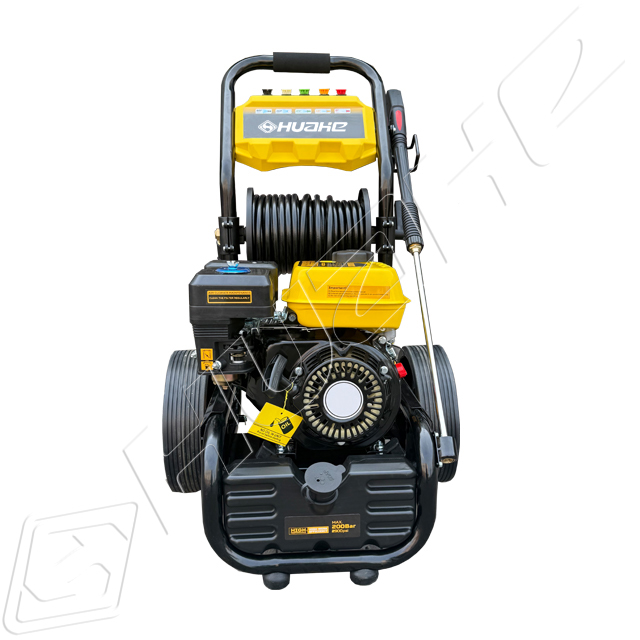
Cold water machines represent the majority of cleaning units sold globally. They offer incredible reliability and straightforward operation. You should choose a cold system when your primary contaminants are inorganic.
Removing thick mud, sand, dust, and atmospheric dirt from heavy equipment.
Stripping old paint, cleaning concrete walkways, and performing general facility wash-downs.
Handling agricultural applications limited to removing soil from tractor exteriors.
Flushing out storm drains or cleaning exterior building siding.
These units require a much lower upfront capital expenditure. Facilities can often purchase two cold units for the price of one hot unit. They are also highly portable. Without heavy burner assemblies or large fuel tanks, operators can easily load them into pickup trucks. Maintenance remains minimal and manageable. Your service team primarily performs basic pump oil changes and routine filter checks. The plug-and-play nature means new employees require very little training.
The primary limitation is a complete inability to cut through grease. Operators trying to clean oil spills will fail. They often resort to aggressive, potentially non-compliant chemical solvents to compensate. These solvents create safety hazards and complicate wastewater disposal. Furthermore, operators spend significantly more labor time fighting stubborn stains. What takes ten minutes with heat might take an hour with unheated water.
Upgrading to a heated system transforms operational efficiency. Heated units act as specialized tools for complex, organic soils. If grease, oil, or fat exist on your job site, heat becomes non-negotiable.
Food processing facilities needing to remove baked-on fats and prepare for sanitation.
Heavy agriculture and construction sites dealing with hydraulic fluid, diesel soot, and engine grease.
Automotive shops and municipal maintenance teams handling oil spills or graffiti removal.
Waste management companies cleaning garbage trucks and dumpsters.
Heat instantly melts thick grease. This action drastically reduces total wash times. Your maintenance crew can clean a heavily soiled engine block in minutes. Heated systems also provide faster drying times for cleaned surfaces. Flash-drying proves incredibly beneficial for facilities in cold climates. It also helps indoor food preparation areas minimize downtime. Faster drying reduces the risk of slip-and-fall accidents.
These machines introduce logistical complexities. Operators must handle and store burner fuels like diesel, kerosene, or liquid propane. The equipment footprint is significantly heavier and larger. You typically need a skid-mounted setup in a truck bed or a heavy-duty cart. Furthermore, operating an industrial high pressure washer indoors demands strict safety compliance. Burners produce exhaust fumes. You must ensure proper ventilation to eliminate carbon monoxide risks entirely.
Selecting the right equipment requires matching machine features directly to your operational environment. The upfront acquisition price tells only part of the story. You must evaluate how the machine integrates into your daily workflow.
Feature Category | Cold Water Systems | Hot Water Systems |
|---|---|---|
Portability | Excellent. Easy to move manually or load into standard vehicles. | Limited. Requires heavy-duty carts, trailers, or permanent installations. |
Maintenance Needs | Low. Basic pump care, engine oil, and nozzle replacement. | High. Burner tuning, coil descaling, fuel filter changes. |
Infrastructure | Minimal. Standard water source and basic power or gas. | Complex. May require ventilation, fuel storage, or high-voltage power. |
Environmental Impact | Higher chemical reliance for tough stains increases toxic runoff. | Lower chemical reliance makes wastewater easier to treat and discharge. |
Evaluate your job site realities before purchasing. Does the cleaning unit need to travel daily? If your crew loads equipment into a truck every morning, cold water units offer superior mobility. Conversely, stationary wash bays favor heated installations. Permanent wash bays can utilize natural gas burners and plumbed water lines. This setup eliminates fuel handling entirely.
Understand the added failure points of heated systems. You must maintain burner coils, thermostats, and fuel lines. In areas with hard water, heating coils suffer from calcium scaling. Your maintenance team must perform regular chemical descaling to prevent clogs. Cold water pumps offer a simple plug-and-play nature. They lack these complex electrical and plumbing components, ensuring higher uptime in rugged environments.
Wastewater runoff regulations continually grow stricter. Using unheated equipment on oil requires heavy industrial solvents. These toxic solvents complicate your runoff compliance. Heated units reduce or eliminate toxic solvent usage. This makes wastewater catchment and filtration much easier. However, exhaust safety remains a crucial factor. Indoor combustion burners require OSHA-compliant ventilation. Failure to ventilate properly creates immediate health hazards for your operators.
Once you understand your needs, you must vet the equipment thoroughly. Not all machines offer the same durability. Ask specific, technical questions to ensure you purchase a reliable industrial asset.
Ask about Coil Design: Heating coils endure extreme stress. Ask the supplier, "What schedule pipe is used in the heating coil?" You want Schedule 80 steel pipe for industrial use. Schedule 40 is too thin and risks blowing out under pressure. Always verify the warranty length specifically against scaling and blowouts.
Ask about Burner Efficiency: Fuel costs add up quickly. Ask, "What is the fuel consumption rate of the burner at sustained maximum temperatures?" High-efficiency burners save thousands of dollars annually. Ensure the burner provides consistent heat without severe temperature fluctuations.
Ask about Serviceability: Downtime destroys productivity. Ask, "Are the pump and burner components proprietary?" You want machines built with standard commercial parts. Off-the-shelf unloader valves and standard fuel pumps allow local technicians to perform field repairs immediately.
Your immediate next step is conducting a thorough contaminant audit of your facility. Document exactly what materials your team cleans daily. Share this audit directly when requesting a formal quote from a reputable high pressure washer manufacturer. Clear communication prevents costly purchasing mistakes.
Choosing between cold and heated equipment hinges entirely on what you clean. The rules remain absolute: grease demands heat, while dirt only requires kinetic force. Matching the machine to the contaminant ensures optimal efficiency.
Identify your primary soil: Never buy a heated unit if you only wash away mud and dust.
Evaluate labor bottlenecks: Calculate your current weekly labor hours spent on cleaning tasks.
Consider the environment: Factor in wastewater compliance and indoor exhaust safety before installation.
Demand industrial durability: Always specify Schedule 80 coils and non-proprietary components for heavy-duty usage.
If your operators spend hours scrubbing oily machinery, unheated equipment is failing you. Calculate the wages lost to inefficient cleaning. Upgrading to a heated system eliminates those wasted hours and delivers an immediate return on your investment.
A: No. Doing this will severely damage your equipment. Standard unheated pump seals and valves are not rated for high temperatures. The heat will literally melt the internal rubber components, causing immediate pump failure. You must purchase a specialized heated unit or a pump explicitly rated for high-temperature fluid intake.
A: No, they do not boil the water. Most industrial machines top out between 200°F and 210°F. Keeping the temperature just below the boiling point prevents the water from turning into steam. This ensures you maintain maximum kinetic impact. If you need actual steam, you must purchase a specifically designed steam cleaner.
A: Yes. Fully electric models eliminate dangerous exhaust fumes, making them perfect for indoor food processing or manufacturing plants. However, heating continuous flowing water requires massive electrical infrastructure. You will typically need a dedicated 460V, 3-phase power supply to run the heating elements effectively.
