
Please Choose Your Language


Views: 0 Author: Site Editor Publish Time: 2026-04-24 Origin: Site


Fleet managers constantly look for ways to maximize their equipment utilization across various environments. Leveraging the high torque, low upfront cost, and fuel accessibility of existing outdoor assets for indoor tasks often feels like an easy win. However, the bottom-line reality tells a very different story. While technically possible under highly specific and regulated conditions, operating a diesel forklift indoors poses severe health, compliance, and hidden financial risks. Doing so requires navigating a maze of emission standards and workplace safety laws.
Strict Compliance is Mandatory: Indoor diesel use requires rigorous adherence to OSHA guidelines, including specialized vehicle designations (D, DS, DY) and continuous air quality monitoring.
Hidden TCO Drivers: The costs of mandatory mechanical ventilation, HVAC energy loss, and specialized emission filters often outweigh the fuel savings of diesel.
Workflow Incompatibility: Indoor "stop-and-go" warehouse operations prevent diesel engines from reaching optimal temperatures, leading to increased soot, odors, and maintenance failures.
Better Alternatives Exist: Electric and LPG forklifts offer superior ROI and safety profiles for enclosed material handling applications.
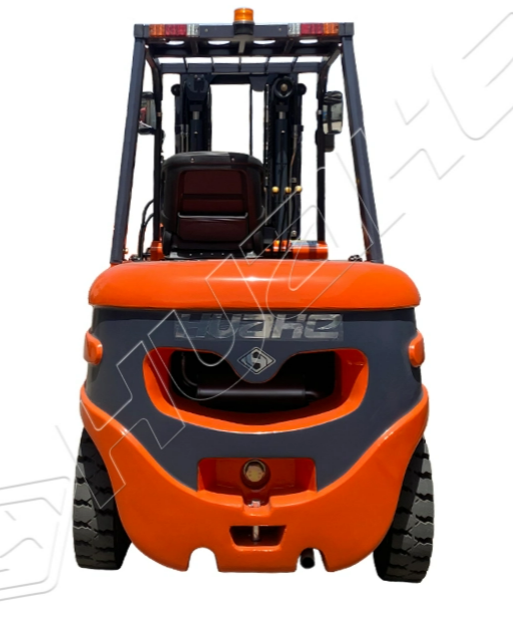
Regulatory bodies do not treat all material handling equipment equally. Under OSHA 29 CFR 1910.178(b), standard outdoor combustion vehicles are not universally permitted inside enclosed facilities. Before you bring any internal combustion engine indoors, you must verify its specific hazard classification. OSHA categorizes these vehicles into distinct designations based on their exhaust protections and electrical safeguards.
Type D: These represent standard units. They possess no special safeguards against fire hazards. You cannot use them in hazardous or explosive atmospheres.
Type DS: These models feature extra exhaust, fuel, and electrical safeguards. Facilities might use them in areas where hazards exist but are carefully controlled.
Type DY: These specialized units contain no electrical equipment at all. They also enforce strict temperature limits on external surfaces. You might see them in highly volatile chemical handling zones.
Operating an unapproved classification in a restricted zone triggers immediate compliance violations. Fines can quickly erase any financial benefit you gained by avoiding new equipment purchases.
You cannot simply open a warehouse bay door and assume the air quality remains safe. Regulators mandate strict atmospheric baselines for indoor operations. Facility managers must maintain a legal minimum of 19.5% oxygen in all confined spaces. Combustible engines consume oxygen rapidly. When multiple trucks operate simultaneously in a poorly ventilated building, oxygen levels can plummet. This drop causes hypoxia, operator fatigue, and impaired cognitive judgment. Regulatory inspectors routinely test these baselines during surprise facility audits.
Some indoor areas present extreme danger zones. OSHA enforces an absolute prohibition on prolonged diesel idling inside restricted micro-environments. You must never allow operators to idle their machines inside truck trailers, shipping containers, or deep ship holds. These spaces trap noxious fumes instantly. Carbon monoxide (CO) and nitrogen oxides (NOx) reach lethal concentrations within minutes in these unventilated boxes. If operators must enter a shipping container, they must load the pallet, exit immediately, and never leave the engine running.
Internal combustion engines run most efficiently at continuous high temperatures. However, typical warehouse workflows involve frequent stopping, starting, lifting, and reversing. This "stop-and-go" inefficiency prevents the engine block from ever reaching its optimal operating heat. A cold engine suffers from incomplete fuel combustion. This mechanical reality generates massive amounts of Diesel Particulate Matter (DPM). The resulting soot quickly coats warehouse racks, inventory, and workers' lungs. Furthermore, incomplete combustion creates foul odors. These lingering smells degrade the working environment and often trigger union grievances or employee walkouts.
If you choose to run diesel indoors, you must install high-capacity mechanical ventilation systems. These systems pull contaminated air out and force fresh air in. However, this creates a massive hidden cost for climate-controlled facilities. Heated warehouses in winter or refrigerated storage centers in summer must constantly exhaust their treated, expensive air. Your HVAC system works overtime to replace the escaped climate-controlled air. This massive HVAC energy waste often exceeds the initial fuel savings.
Diesel exhaust contains volatile chemical compounds, most notably Sulfur Dioxide (SO2). When SO2 releases into an enclosed warehouse, it mixes with ambient humidity and moisture. This chemical reaction creates corrosive sulfuric compounds. Over time, this invisible vapor settles on sensitive inventory. It corrodes exposed metal racking, degrades cardboard packaging, and destroys delicate electronics. Many fleet managers fail to calculate this silent product degradation when evaluating their Total Cost of Ownership.
Noise pollution poses another serious operational risk. Acoustic hazards severely impact worker safety and daily communication. We can visualize the stark contrast between equipment types using the summary chart below.
Equipment Type | Average Decibel Level (dB) | Acoustic Impact Indoors | Worker Communication |
|---|---|---|---|
Standard Diesel Models | 85 – 95 dB | Loud reverberation off concrete walls; triggers OSHA hearing protection rules. | Requires shouting; masks safety alarms and pedestrian footsteps. |
Electric Models | 60 – 70 dB | Minimal echo; hums quietly in enclosed aisles. | Conversations occur at normal volume; clear awareness of surroundings. |
The loud rumble of a combustion engine echoes violently off concrete floors and metal roofs. This constant 90 dB noise induces worker stress and fatigue. More dangerously, it drowns out backup alarms and pedestrian warnings, significantly increasing collision risks.
Despite the severe risks, specific edge cases exist where indoor combustion engines remain commercially viable. You might justify their temporary indoor use under the following conditions:
Hybrid Indoor/Outdoor Facilities: Operations like open-sided sheds, lumber yards, or heavy manufacturing plants often feature massive bay doors. These facilities benefit from continuous natural airflow. The "indoor" space acts more like an outdoor canopy, naturally dispersing toxic fumes before they concentrate.
Extreme High-Torque Requirements: Some indoor applications demand extreme mechanical force. If your workflow involves navigating steep internal ramps or handling exceptionally heavy, awkward steel coils, electric motors might struggle. A combustion engine provides the instant torque burst required to safely move massive loads up sharp inclines.
Infrastructure Limitations: Many older buildings or remote facilities lack modern electrical grid capacity. Upgrading the local grid to support a large-scale battery charging station requires massive capital expenditure. In these temporary or remote setups, relying on liquid fuel bypasses the immediate need for expensive electrical infrastructure.
If business realities force you to operate combustion engines indoors, you must implement mandatory hardware retrofits. You cannot simply drive a standard yard forklift into a warehouse. First, you must install Catalytic Mufflers. These specialized exhaust components utilize high heat and precious metals to burn off uncombusted fuel before it escapes the tailpipe. Second, you must equip the machine with Diesel Particulate Filters (DPF). These dense ceramic filters physically trap harmful soot and DPM. While they reduce airborne hazards, they require frequent, costly cleaning routines.
You cannot rely on human senses to detect toxic fumes. Carbon monoxide remains entirely colorless and odorless. Facility managers must install industrial-grade Carbon Monoxide (CO) and Nitrogen Oxide (NOx) sensor alarms throughout the building. You should position these sensors near ground level and within confined storage zones. If emissions reach dangerous thresholds, these automated alarms must trigger an immediate facility evacuation and activate emergency exhaust fans.
Hardware alone cannot guarantee worker safety. You must establish and enforce strict administrative protocols. Leadership should implement absolute zero-idling policies. Operators must turn the key off if they pause for more than ten seconds. Additionally, managers should rotate shift schedules frequently. This rotation limits any single operator's cumulative exposure to DPM and noise. Finally, maintenance teams must adopt accelerated exhaust system maintenance routines. Indoor engines require oil changes and filter replacements twice as often as their outdoor counterparts.
For almost all enclosed material handling applications, electric equipment represents the gold standard. They produce absolutely zero tailpipe emissions, instantly solving all OSHA air quality compliance issues. They operate quietly, reducing acoustic stress on your workforce. Furthermore, they offer precise maneuverability in narrow warehouse aisles. Modern lithium-ion options allow for opportunity charging during lunch breaks. This technology eliminates the need for multi-shift battery swapping and reclaims valuable floor space previously used for charging rooms. Ultimately, they offer a significantly lower long-term TCO despite a higher initial purchase price.
If your facility lacks the capital for an electric fleet transition, LPG (Liquid Petroleum Gas) serves as a viable middle ground. Propane combustion produces significantly less soot, DPM, and foul odor than heavy diesel. Facilities needing fast refueling appreciate LPG, as workers can swap a gas cylinder in three minutes. They require lower initial CapEx than lithium-ion electrics. However, you must remember they still produce carbon monoxide. Therefore, LPG operations still require basic mechanical ventilation and CO monitoring.
Operations leaders must weigh multiple variables before signing a purchase order. We developed the following decision matrix to guide your final procurement strategy.
Facility / Operational Need | Electric (Lithium-Ion) | LPG (Propane) | Diesel (Retro-fitted) |
|---|---|---|---|
Aisle Width & Space | Excellent (Highly compact) | Good (Standard frames) | Poor (Large turning radius) |
Air Quality & Ventilation | Zero emissions (No ventilation needed) | Low soot, but produces CO | High risk (Requires heavy HVAC) |
Shift Duration | Ideal for 24/7 (Opportunity charging) | Good (Quick cylinder swaps) | Good (Fast liquid refueling) |
Initial CapEx Budget | High (Equipment + Chargers) | Moderate | Low (If utilizing existing fleet) |
Long-term OpEx / TCO | Very Low (Cheap electricity, low maintenance) | Moderate (Fuel costs fluctuate) | High (HVAC waste, DPF cleaning) |
By applying this matrix, you can align your procurement choices with your facility's unique operational constraints and budget reality.
Deploying outdoor combustion equipment indoors might seem like a quick fix for maximizing fleet utilization. However, the EHS (Environmental, Health, and Safety) liabilities make it a poor long-term strategy. The hidden mitigation costs, from massive HVAC energy waste to DPF maintenance, quickly destroy any initial fuel savings. Furthermore, exposing your workforce to toxic DPM, carbon monoxide, and excessive noise invites severe regulatory penalties and low employee morale. Operations leaders must look past the immediate convenience of existing assets. We strongly recommend prioritizing electric or LPG fleets for dedicated indoor operations. Making this transition ensures strict legal compliance, protects worker health, and significantly reduces your overall Total Cost of Ownership.
A: It is not federally banned in all instances, but OSHA heavily restricts the practice. You must comply with severe indoor air quality standards, noise limits, and local emission laws. You usually need specific truck designations (DS or DY) to operate legally in enclosed hazard zones.
A: Idling rapidly accumulates lethal gases like Carbon Monoxide (CO) and Nitrogen Oxides (NOx). Because the engine does not reach optimal heat, it produces massive amounts of soot. This creates immediate respiratory health risks for operators and violates zero-idling compliance rules.
A: This long-tail operational issue usually stems from fuel gelling, glow plug failure, or battery drain. Under-utilized equipment sitting in unheated, winterized indoor facilities struggles to ignite cold fuel. You must install block heaters or switch to winter-blend fuels.
A: Indoor models require accelerated maintenance schedules. "Stop-and-go" indoor driving clogs Diesel Particulate Filters (DPF) much faster than outdoor use. You should inspect exhaust filters weekly and plan for professional DPF cleaning or replacement every 500 operating hours.
