
Please Choose Your Language


Views: 0 Author: Site Editor Publish Time: 2026-04-17 Origin: Site


The material handling industry is rapidly shifting toward electric equipment. Yet, procurement managers face a harsh reality on the ground. Heavy-duty outdoor operations demand uninterrupted power, high torque, and absolute weather resilience. You face a challenging decision-stage dilemma every day. You must balance strict environmental compliance and rising fuel costs against the raw performance required for your sites. Busy ports, rugged construction sites, and massive lumber yards simply cannot compromise on daily uptime. We designed this evaluation framework to help you navigate these specific trade-offs. You will learn exactly how to determine if a diesel forklift is the most cost-effective and operationally sound choice for your demanding outdoor environment. Let us explore the critical factors driving this vital investment.
Uptime & Refueling: Diesel forklifts support 24/7, multi-shift operations with 5-minute refueling, eliminating the 4-8 hour downtime of battery charging.
Weather Immunity: Engine performance and lift capacity remain stable in sub-zero temperatures and extreme heat, unlike electric alternatives prone to battery drain.
Operator Ergonomics: Eliminating bulky battery packs and rear-mounted LPG tanks often provides superior rearward visibility.
Clear Limitations: Strict indoor usage constraints apply; transitioning diesel equipment indoors requires significant ventilation infrastructure.
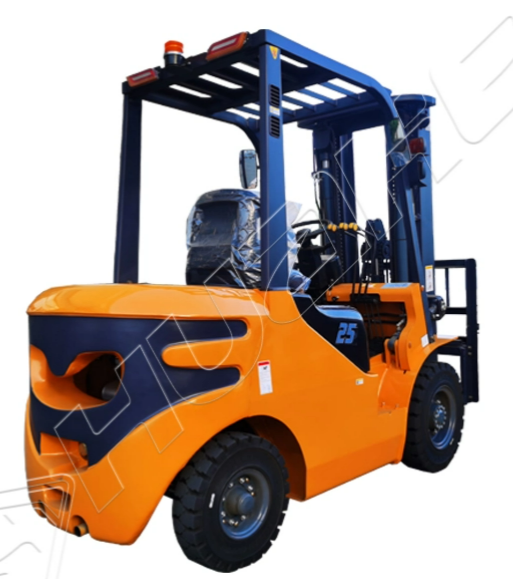
Every piece of machinery has a breaking point. You must identify exactly where alternative power sources begin to fail. Electric and propane models often struggle when lifting loads exceeding 10,000 lbs on uneven gradients. Heavy materials like steel beams, wet lumber, and concrete blocks demand sudden surges of power. Diesel engines provide this immediate power delivery. They maintain their lifting capacity even when navigating steep inclines or deep mud. This reliability ensures your operations never stall during critical peak hours.
Many industrial operations take place far from established infrastructure. Remote construction sites, sprawling lumber yards, and new mining facilities often lack reliable electrical grids. Building high-voltage charging stations in these areas is financially impractical. Sometimes, it is entirely impossible. Diesel equipment solves this logistical nightmare. You only need a standard fuel delivery truck to keep your fleet running. This total off-grid independence makes a forklift powered by diesel fuel an absolute necessity for remote industrial sectors.
Winter operations ruthlessly expose equipment weaknesses. Extreme cold severely impacts industrial batteries. In freezing environments, electric models can experience a battery efficiency drop of over 40%. They lose lifting speed and acceleration. Conversely, diesel engines thrive in harsh climates. Once equipped properly, they deliver sustained acceleration and maximum lift speeds regardless of the freezing temperatures outside. They simply do not suffer the rapid energy drain seen in battery-operated machines.
Best Practice: Always use winter-grade fuel blends. Install high-quality engine block heaters before the first freeze to guarantee fast morning starts.
Torque dictates how easily a machine initiates movement under a heavy load. Diesel engines naturally deliver incredibly high low-end torque. This specific physical trait is essential for pushing through rough terrain, thick gravel, or steep inclines. When operators need to tow heavy material trailers across a muddy yard, this low-end grunt prevents wheel spin and stalling. Alternative power sources simply struggle to match this raw towing capability.
Time directly translates to money in logistics. You must carefully map the operational drag of mandatory downtime. A standard 15-gallon diesel tank provides a continuous 8 to 10 hours of run time. Refueling takes less than five minutes. An operator simply fills the tank and returns to work immediately. By contrast, electric batteries dictate strict charging cycles. A depleted battery requires 4 to 8 hours to charge, plus additional cooling time. Even battery swapping protocols demand expensive secondary batteries and dedicated swap zones.
Feature | Diesel Power | Electric Power | LPG (Propane) Power |
|---|---|---|---|
Refueling/Charging Time | Under 5 minutes | 4 to 8 hours | 5 to 10 minutes (Tank Swap) |
Low-End Torque | Exceptionally High | Moderate | Moderate to Low |
Extreme Cold Reliability | Stable (Requires winter fuel) | Poor (Up to 40%+ capacity drop) | Variable (Fuel lines can freeze) |
Many buyers initially consider Liquid Petroleum Gas (LPG) as an outdoor compromise. However, LPG falls short for maximum heavy-duty outdoor use. Propane engines generally hit lower overall torque limits compared to their diesel counterparts. Furthermore, extreme cold weather introduces serious physical risks. Propane relies on vapor pressure to flow from the tank to the engine. In freezing temperatures, this pressure drops significantly. Fuel lines can freeze entirely. This vulnerability renders LPG equipment highly unreliable during severe winter storms.
Purchasing the exact capacity you need is a common mistake. Outdoor environments are rarely perfectly flat. Uneven terrain constantly shifts the load center of your materials. When a load center shifts forward on a downward slope, the effective weight on the mast increases dramatically.
Buyer Rule of Thumb: You should select a rated lifting capacity 25% to 50% higher than your heaviest anticipated load. If your maximum pallet weighs 10,000 lbs, you should target a machine rated for at least 12,500 lbs. This buffer protects the suspension, prevents dangerous tipping incidents, and drastically extends the hydraulic system's lifespan.
Tire selection dictates where your machine can safely travel. You must match the tire tread to your specific ground conditions.
Heavy-Tread Pneumatic Tires: These air-filled tires act like shock absorbers. You must specify them for loose gravel, deep mud, and active construction sites. They provide essential traction on loose surfaces.
Solid/Cushion Tires: These cannot puncture. Spec these tires exclusively for paved lumber yards, smooth asphalt ports, and debris-free concrete zones.
Rough Terrain Specs: Non-paved environments require specialized chassis configurations. Note the absolute requirement for high ground clearance. You also need reinforced, articulating suspension systems to keep the load level when driving over severe ruts.
Safety relies heavily on an operator's line of sight. Diesel models hold a distinct structural advantage in this category. Electric machines require massive, bulky battery compartments. Propane machines utilize oversized, rear-mounted LPG cylinders. Both designs severely obstruct an operator's view when backing up. Without these obstacles, diesel equipment often offers unobstructed rear visibility. This clear sightline is absolutely crucial for safely reversing in busy, chaotic outdoor yards filled with foot traffic.
Financial evaluations must separate initial purchase price (CapEx) from daily running costs (OpEx). Diesel equipment generally boasts a significantly lower initial purchase price. Electric models require massive upfront investments. You must purchase the machine, the expensive industrial batteries, and build out high-voltage charging stations. For a brand-new facility, retrofitting the electrical grid to handle multiple fast chargers can easily double your initial equipment budget.
You need realistic framing regarding daily operations. We must acknowledge the higher daily costs of fossil fuels. Hourly diesel fuel expenses and regular engine maintenance costs will easily exceed basic electric charging costs. A busy fleet running dual shifts will consume hundreds of gallons of fuel weekly. You must build these fluctuating energy prices into your annual operational budgets.
Cost Category | Diesel Fleet | Electric Fleet |
|---|---|---|
Initial Purchase (CapEx) | Lower | Significantly Higher |
Infrastructure Needs | Basic fuel storage | Expensive grid upgrades |
Hourly OpEx | Higher (Fuel dependency) | Lower (Cheap electricity) |
Industrial assets must provide long-term value. Well-maintained internal combustion engines possess proven longevity. They easily operate efficiently over a 10-year lifecycle when serviced correctly. Furthermore, they hold high residual resale value in secondary markets. Industrial batteries degrade over time. Electric fleets face mandatory, expensive battery replacement cycles every five to seven years. These inevitable replacement costs severely impact the long-term ROI of battery-powered fleets.
Common Mistake: Ignoring the eventual battery replacement cost when calculating an electric fleet's 10-year budget.
You must establish hard operational limits for internal combustion engines. Operating them indoors introduces severe health risks. Toxic fumes, specifically carbon monoxide, accumulate rapidly in enclosed spaces. Transitioning this equipment indoors requires massive facility changes. You need a minimum of 14-foot ceilings. You must also install costly, heavy-duty ventilation retrofits and specialized exhaust scrubbers. Generally, you should keep these machines strictly outside.
Heavy machinery generates significant noise pollution. You must address OSHA and local safety compliance mandates. Industrial engines routinely reach 85 to 90 decibels during operation. Prolonged exposure causes permanent hearing damage. You must enforce strict PPE protocols. Operators and nearby yard workers must wear certified hearing protection at all times. Additionally, operators experience higher physical vibration compared to electric models, requiring better suspension seating to reduce fatigue.
Internal combustion engines demand strict operational discipline. You cannot ignore maintenance schedules. Mechanics must perform rigorous daily and weekly checks. This cadence includes vital fluid checks, air filter replacements, and regular oil changes. Clogged air filters in dusty construction yards will quickly destroy an engine. This reality contrasts sharply with low-maintenance electric motors, which have fewer moving parts. Your facility must employ dedicated mechanics or secure strong dealer service contracts.
Purchasing machinery makes strategic sense under specific operational conditions. You should buy when you meet the following criteria:
Your facility requires continuous, high-frequency usage across multiple daily shifts.
You are managing permanent outdoor infrastructure projects, such as a long-term shipping port or dedicated lumber yard.
You have highly predictable, long-term material handling needs that justify capital depreciation over five to ten years.
You have an established in-house maintenance team capable of handling routine engine servicing.
Renting preserves capital and offers incredible flexibility. You should strongly consider renting when you face these scenarios:
You experience short-term seasonal surges, such as massive agricultural harvests or holiday shipping peaks.
You win temporary construction contracts lasting only six to twelve months.
You need an immediate emergency replacement because a primary machine suffered a major breakdown.
You want to test a specific machine's lifting capability on your yard before committing to a massive capital purchase.
Navigating the complex material handling landscape requires balancing raw power against ongoing operational costs. You must understand your facility's exact limitations. While heavy-duty fossil fuel machines carry higher per-hour fuel costs and demand strict indoor operational boundaries, their benefits remain undeniably clear. They offer unmatched high-end torque, complete off-grid reliability, and flawless performance during extreme weather events. They keep outdoor supply chains moving when fragile alternatives freeze or run out of charge.
Your next step is critical. Calculate your maximum load requirements and strictly apply the 25% to 50% payload safety buffer. Do not guess your capacity needs. We recommend contacting a specialized dealer immediately. Ask them to conduct a comprehensive site survey. Let them analyze your yard's terrain and run a custom Total Cost of Ownership (TCO) analysis tailored to your exact operational hours.
A: Refueling takes only minutes, whereas charging or battery swapping takes hours. A standard fuel tank fills in under five minutes. This incredible speed enables completely seamless multi-shift handoffs without any mandatory cooling or charging downtime.
A: Only in highly ventilated, massive facilities equipped with specialized exhaust scrubbers. It requires minimum 14-foot ceilings. However, experts strongly discourage indoor use due to severe emission risks and the massive financial costs of retrofitting ventilation systems.
A: You should apply a strict 25% to 50% safety buffer over your maximum expected load weight. This necessary buffer accounts for dangerous load center shifts on uneven terrain and the added weight of heavy rough terrain attachments.
A: Unlike industrial batteries that lose their charge rapidly in freezing temperatures, internal combustion engines maintain full lifting and driving power. You simply need to utilize proper winter-grade fuel blends and install standard engine block heaters.
