
Please Choose Your Language


Views: 0 Author: Site Editor Publish Time: 2025-12-18 Origin: Site


A portable generator is a device that provides temporary electrical power in locations where there is no access to a fixed power grid. It is a versatile tool that can be used for various applications, from emergency power supply for households to outdoor activities such as camping or tailgating. Whether you need electricity for your home, tools, or even to keep your appliances running during a power outage, a portable generator can be the perfect solution. However, understanding what a generator is, how it works, and the different types available can help you make an informed decision when choosing the right one for your needs.
In this article, we’ll explore the fundamentals of portable generators, how they function, the different types available, and how to choose the right generator for your specific needs. As a leading manufacturer of generators, Huahe Heavy Industry Co., Ltd. provides a wide range of high-quality portable generators for various applications. Let’s dive into the details.
At its core, a generator works by converting mechanical energy into electrical power. This process is achieved through the principle of electromagnetic induction, discovered by Michael Faraday in the 1830s. In simple terms, a generator consists of a moving part called the rotor and a stationary part called the stator. The rotor, which is typically powered by a gasoline or diesel engine, spins inside the stator, causing a magnetic field to change. This change in the magnetic field induces an electric current in the stator, which is then output as usable electrical power.
The mechanical energy provided by the engine turns the rotor, and as it moves within the magnetic field, it generates an alternating current (AC) or direct current (DC), depending on the type of generator. This electrical power can then be used to supply electricity to your devices, tools, or appliances. This basic working principle is consistent across all types of generators, whether they are used for small household applications or larger industrial needs.
There are several types of portable generators, each with its own unique features, advantages, and applications. The three most common types are inverter generators, gasoline generators, and diesel generators. Let's break them down:
Inverter generators are known for their clean and stable power output. Unlike traditional generators, which produce fluctuating electricity, inverter generators use advanced electronics to convert AC power into DC power, then back into AC power. This process ensures that the power produced is smooth and consistent, making inverter generators ideal for sensitive electronics like computers, smartphones, and medical equipment.
Inverter generators are also quieter and more fuel-efficient compared to conventional models, making them an excellent choice for outdoor activities like camping and tailgating. Their portability and compact design make them easy to transport and store.
Gasoline generators are the most common type of portable generator. They are typically less expensive than diesel generators and are ideal for smaller-scale applications. Gasoline generators are often used for home backup power, construction sites, and recreational activities like camping.
These generators are generally lightweight and easy to operate, making them a convenient choice for people who need temporary power. However, gasoline generators tend to be noisier and less fuel-efficient than inverter generators, and their fuel supply is limited by local availability.
Diesel generators are known for their longer runtime and higher fuel efficiency compared to gasoline generators. Diesel is more energy-dense, meaning that a diesel generator can run for a longer period of time on the same amount of fuel. This makes them a popular choice for industrial applications and for people in areas where diesel fuel is readily available.
Diesel generators tend to be larger and heavier, but they offer greater power output and reliability. They are well-suited for heavy-duty applications such as powering tools on construction sites or as emergency power sources for businesses.
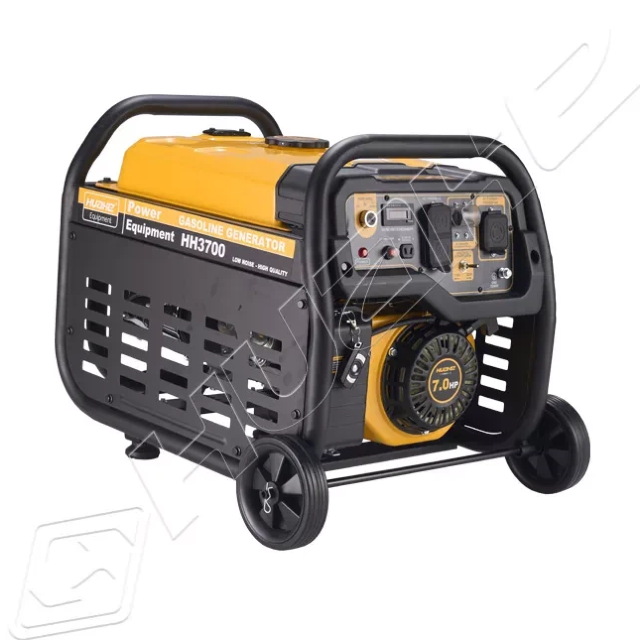
Portable generators are used in a wide range of applications, from home backup power to outdoor activities. Here are some common scenarios where a portable generator can be useful:
Home Backup Power: During power outages, a portable generator can provide essential backup power for lights, refrigerators, and medical devices. This is especially important for homes in rural areas or regions prone to natural disasters like hurricanes and snowstorms.
Outdoor Activities: Whether you’re camping, tailgating, or hosting outdoor events, a portable generator can provide the power you need to run lights, small appliances, and entertainment equipment. Inverter generators are particularly popular for these uses due to their quiet operation and clean power output.
Construction Sites: Construction sites often require portable power for tools like drills, saws, and compressors. Gasoline or diesel generators are typically used in these situations due to their high power output and ability to run heavy equipment.
Recreational Vehicles (RVs): For RV owners, a portable generator is a must-have for providing power when camping off the grid. It can be used to run lights, air conditioning, and kitchen appliances, providing a more comfortable and convenient camping experience.
Emergency Power Supply: In remote areas or places with unreliable electricity, a portable generator can serve as a reliable source of emergency power. It’s an ideal solution for situations where there is no access to a grid connection, such as during road trips, camping, or outdoor festivals.
When compared to fixed or whole-house generators, portable generators offer several distinct advantages:
Portability and Flexibility: The most obvious advantage of a portable generator is its ability to be easily moved. Whether you need it for outdoor activities, a construction site, or backup power at home, a portable generator can be conveniently transported and used in multiple locations.
Lower Cost: Portable generators are generally more affordable than their whole-house counterparts. If you only need power for a few devices or appliances, a portable generator can provide a cost-effective solution without the need for expensive installation or infrastructure changes.
Ideal for Temporary Power: If you need electricity only for a short period or in specific scenarios (like during an outage or while camping), a portable generator offers an excellent solution. It’s less of a commitment compared to fixed systems, which are usually permanent fixtures.
Ease of Use: Portable generators are often easier to set up and operate than fixed generators. They typically don’t require professional installation and can be powered on with the flip of a switch, making them accessible to people with little technical expertise.
However, it’s important to note that while portable generators are highly convenient and flexible, they do have limitations in terms of power output compared to larger fixed systems. For homes or businesses that require continuous or high-powered energy, a whole-house generator might still be the best option.
Before purchasing a portable generator, there are several factors you should take into account to ensure you select the right one for your needs:
Power Requirements: Calculate the wattage requirements of the devices you intend to power. Make sure the generator provides sufficient running and starting wattage for all appliances, including any surges that may occur when starting devices like refrigerators or air conditioners.
Fuel Type: Decide whether you prefer a gasoline, diesel, or inverter generator. Gasoline generators are more common and less expensive, while diesel generators offer better fuel efficiency and longer run times. Inverter generators are best for sensitive electronics but may cost more.
Noise Level: If noise is a concern, particularly for outdoor activities or use in residential areas, choose an inverter generator. They tend to be quieter than gasoline and diesel generators.
Portability: Consider the weight and size of the generator, especially if you plan to move it frequently. Inverter generators are usually lighter and more compact, making them ideal for camping or RV use.
Maintenance: Look at the ease of maintenance for the generator you are considering. Some models require more frequent oil changes, filter replacements, and general upkeep. It’s essential to follow the manufacturer’s guidelines for maintenance to ensure the longevity of your equipment.
Safety Standards: Ensure the generator complies with local safety regulations and standards. It’s crucial to check if the generator has safety features such as automatic shutoff in case of overload, carbon monoxide detection, and proper grounding.
A portable generator is a highly versatile and valuable tool, ideal for providing electricity in areas without access to a fixed power grid or during emergencies. By understanding the different types of generators, their applications, and key considerations when choosing one, you can select the perfect model for your needs. Whether you’re looking for a reliable backup for your home, a power source for outdoor adventures, or an essential tool for your job site, a portable generator offers flexibility and convenience.
At Huahe Heavy Industry Co., Ltd., we specialize in manufacturing high-quality portable generators that cater to various needs. With over 30 years of experience in the industry, we provide durable, reliable, and efficient products to ensure you have the power you need, when you need it.
Contact us today for more information on our portable generators and how we can help you meet your power needs.
What is the difference between an inverter generator and a gasoline generator?
An inverter generator provides clean, stable power suitable for sensitive electronics, while a gasoline generator offers higher power output but may produce less stable electricity.
How do I determine the right size portable generator for my home?
You should calculate the total wattage of all devices you plan to power simultaneously, including starting wattage for appliances like refrigerators.
Are portable generators safe to use indoors?
No, portable generators should never be used indoors or in enclosed spaces due to the risk of carbon monoxide poisoning. Always operate them in well-ventilated areas.
What maintenance is required for a portable generator?
Regular maintenance includes checking the oil, replacing air filters, cleaning the spark plug, and ensuring the fuel system is functioning properly.
