
Please Choose Your Language


Views: 0 Author: Site Editor Publish Time: 2025-12-18 Origin: Site


Have you ever wondered how power is generated in areas where the grid is unreliable? A diesel generator is the solution. It converts diesel fuel into electrical energy, providing reliable power in homes, businesses, and industrial sites.
Many people don’t fully understand how a diesel generator works or its various applications. This article will explain its functionality, key components, and common uses across industries.
A diesel generator is a machine that combines a diesel engine with an alternator to convert mechanical energy into electrical energy. Diesel generators are commonly used in locations where reliable power is needed but where grid power is either unavailable or unreliable. They are essential for providing backup power, prime power, and continuous power in both residential and industrial settings.
A diesel generator operates by using a diesel engine to burn diesel fuel, creating mechanical energy. This mechanical energy is then transferred to an alternator, which converts it into electrical energy. This process is highly efficient and makes diesel generators ideal for a wide range of power applications.
● Diesel Engine: The diesel engine burns diesel fuel in a compression-ignition process. The high compression ratio in the engine allows it to convert chemical energy from the fuel into mechanical energy that drives the alternator.
● Alternator: The alternator is responsible for converting the mechanical energy produced by the engine into electrical energy. It does this by rotating its rotor inside the stator, creating an electromagnetic field and generating electricity.
A diesel generator is made up of several key components that work together to produce reliable electricity. Each part plays an important role in ensuring the smooth operation of the generator.
Component | Function |
Diesel Engine | Responsible for fuel combustion and generating mechanical energy. |
Alternator | Converts mechanical energy into electrical energy through electromagnetic induction. |
Fuel System | Includes the fuel tank, filters, injectors, and pumps to deliver diesel fuel to the engine. |
Cooling & Exhaust Systems | Regulates the engine temperature and vents combustion gases, preventing overheating and ensuring efficient performance. |
Control Panel | Monitors and controls generator functions such as voltage, frequency, and output. |
The diesel engine is the heart of the diesel generator. It works by combusting diesel fuel in a high-pressure, compression-ignition process. This process creates the mechanical energy that is transferred to the alternator. Diesel engines are known for their efficiency and durability, with the ability to run continuously for extended periods.
High Compression Ratio: Ensures efficient fuel combustion.
Longer Lifespan: Designed to withstand continuous use, diesel engines are highly durable.
Fuel Efficiency: Diesel engines provide more fuel efficiency compared to gasoline engines, resulting in lower operational costs over time.
The alternator is another vital component in a diesel generator. It converts the mechanical energy produced by the diesel engine into electrical energy. The alternator’s rotor spins within the stator, producing alternating current (AC), which can be used to power equipment.
Electromagnetic Induction: As the rotor spins inside the stator, it generates an electrical charge by creating a magnetic field.
Electricity Generation: The alternator converts the mechanical power into usable electrical energy that powers various devices and machinery.
The fuel system of a diesel generator consists of the fuel tank, filters, injectors, and pumps. This system ensures a steady and reliable supply of diesel fuel to the engine. Proper fuel delivery is essential to the engine’s performance, and regular maintenance of the fuel system helps keep the generator operating efficiently.
Fuel Tank: Stores the diesel fuel.
Fuel Filters: Remove impurities from the fuel to ensure smooth engine operation.
Fuel Injectors and Pumps: Deliver precise amounts of fuel to the engine for efficient combustion.
The cooling system regulates the temperature of the engine, ensuring that it does not overheat during operation. The exhaust system vents combustion gases safely out of the generator. These two systems work together to maintain the engine’s efficiency and prolong its lifespan.
Radiators and Coolants: Used to prevent the engine from overheating.
Exhaust System: Ensures safe disposal of combustion gases to avoid engine damage.
The control panel is the interface that allows users to monitor and manage the diesel generator. It provides real-time data on important parameters such as voltage, frequency, and output. The control panel also houses the automatic transfer switch (ATS) that helps the generator start automatically when a power outage occurs.
Monitoring: Tracks the generator’s vital statistics like fuel levels, power output, and operating conditions.
Automatic Start/Stop: Initiates the generator’s operation during power failure and automatically shuts down once the grid power is restored.
The process begins with the injection of diesel fuel into the engine. Diesel fuel is injected into the combustion chamber under high pressure. This causes the fuel to ignite without the need for spark plugs, thanks to the high compression within the engine. The ignition generates high-pressure gases that expand rapidly.
As the gases expand, they push the piston down in the engine. This movement converts the chemical energy from the diesel fuel into mechanical energy. The piston’s motion is essential for the next phase of energy transformation.
The downward motion of the piston rotates the crankshaft. The crankshaft is connected to the alternator, and its rotation drives the alternator’s rotor. This mechanical motion is what ultimately generates the electrical power needed.
As the crankshaft turns, the alternator’s rotor spins inside the stator. The movement of the rotor within the stator generates electricity through electromagnetic induction, which is the core principle behind how a generator creates electrical energy.
Once the electricity is generated, it is sent to connected equipment or batteries for storage. If the generator is connected to an electrical grid or specific machinery, the generated electricity powers the devices that need it.
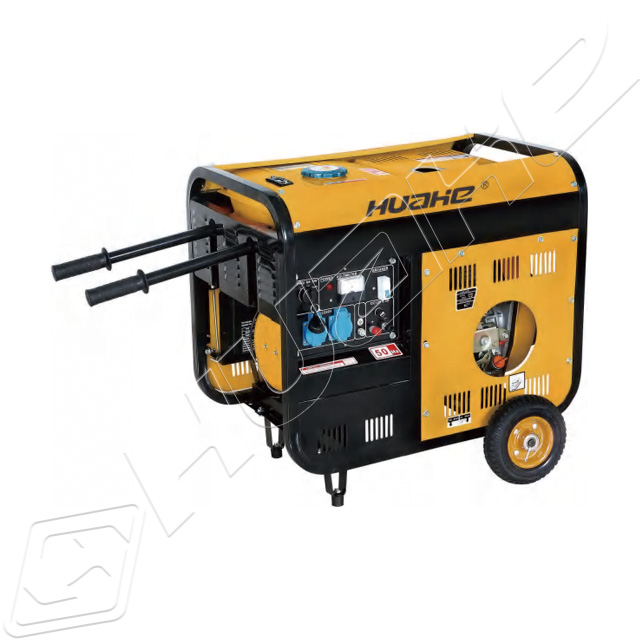
Diesel engines are known for their fuel efficiency. Compared to gasoline engines, diesel engines can produce more power with less fuel consumption, making them ideal for long-term and continuous use. This results in lower operational costs, as less fuel is required for the same amount of energy generation.
Another significant advantage of diesel engines is their durability. Diesel engines are designed to withstand continuous operation, making them highly reliable for long durations. They can run for thousands of hours with minimal maintenance, ensuring they are the preferred choice for industrial, commercial, and backup power needs. Diesel engines are also built to handle the stresses of heavy loads, ensuring consistent performance even under demanding conditions.
Diesel generators come in various types, each designed for specific applications and environments. Below is a detailed overview of the different types of diesel generators, including their best uses and key features.
Type of Diesel Generator | Best Use | Key Features |
Portable Diesel Generators | Small, mobile units suitable for emergency power, outdoor events, or remote job sites. | Easy to transport, compact, and ideal for temporary or off-grid power needs. |
Standby Diesel Generators | Automatically starts during power outages, providing backup power for critical infrastructure such as hospitals and data centers. | Reliable backup power that ensures uninterrupted power supply when the grid fails. |
Prime and Continuous Power Diesel Generators | Used in industrial sites or remote locations where continuous power is required, such as mining and telecom towers. | Reliable power over extended periods, minimal interruption, and essential for remote operations. |
Silent/Enclosed Diesel Generators | Suitable for indoor or noise-sensitive applications, such as residential areas or offices. | Noise-reducing enclosures and weather protection ensure quieter operation and protection for indoor use. |
Each type of diesel generator offers distinct advantages tailored to different operational requirements. Depending on the use case, choosing the right type of generator can significantly impact the efficiency and reliability of the power supply.
Healthcare: Diesel generators are critical in hospitals for providing life-saving equipment with power during grid outages.
Data Centers: Ensures continuous operation of servers and systems, preventing data loss and downtime.
Industrial Sites: Provides reliable power for tools and machinery on job sites where grid power is unavailable, such as in construction and mining.
Off-Grid Locations: Ideal for remote homes or offices, where they allow independent operation without reliance on the grid.
Temporary Power: Diesel generators provide immediate power in disaster-stricken areas, ensuring that essential services continue functioning.
Mobile Command Centers: Used in field operations where traditional power sources are unavailable.
Assessing Load: Determine the total electrical load you need to support to ensure the generator can meet power demands.
Single-phase vs. Three-phase: Choose based on your application’s power system requirements.
Fuel Consumption Rate: Look for a generator that provides longer runtime per liter of fuel to ensure cost-effective operation.
Fuel Tank Size: Ensure the generator’s fuel tank is large enough to meet your desired runtime without frequent refueling.
Noise Reduction: For residential or indoor use, consider silent diesel generators designed to minimize noise levels.
Installation Considerations: Assess the environment where the generator will be used, taking into account temperature, humidity, and altitude.
Ease of Service: Choose a generator known for reliability and ease of maintenance, including accessible spare parts.
Warranty and Support: Ensure the generator is backed by a strong warranty and offers comprehensive customer support.
Oil and Filter Changes: Regular oil and filter changes are essential for maintaining efficient engine performance.
Coolant System Maintenance: Maintain the coolant system to prevent overheating and damage to the engine.
Battery Maintenance: Regularly check and maintain the battery to ensure it functions properly and is always fully charged.
Fuel System Inspection: Inspect and clean fuel filters regularly to prevent clogging and ensure smooth fuel delivery.
Load Testing: Conduct periodic load tests to ensure the generator is running at optimal performance.
Control Panel Monitoring: Use the control panel to monitor key parameters such as oil pressure, coolant temperature, and battery voltage.
A diesel generator is a reliable, durable, and fuel-efficient power source. It is widely used across industries to provide backup, prime, and continuous power solutions. Choosing the right generator and maintaining it properly ensures long-lasting and efficient operation.
Huahe Heavy Industry Co., Ltd. offers high-quality diesel generators that provide unmatched reliability and efficiency, helping businesses and industries meet their power needs with ease. Proper selection and maintenance are key to maximizing the value of your investment.
A: A diesel generator uses a diesel engine and an alternator to convert mechanical energy into electrical energy.
A: A diesel generator is more fuel-efficient, durable, and can operate for longer periods compared to gasoline generators.
A: A diesel generator includes a diesel engine, alternator, fuel system, cooling system, and control panel for operation.
A: Regular oil changes, fuel system checks, and coolant maintenance are essential for keeping your diesel generator running efficiently.
A: Choose a diesel generator for high-efficiency, continuous power, especially in off-grid locations or when reliability is critical.
A: Diesel generators are used for backup power, continuous power, and prime power in industries, construction, healthcare, and residential areas.
