
Please Choose Your Language


Views: 0 Author: Site Editor Publish Time: 2026-04-22 Origin: Site


A diesel generator is widely chosen for backup power, construction projects, industrial operations, agricultural use, rental business, and off-grid applications because it is known for strength, durability, and dependable long-term performance. When buyers compare different generator options, one of the most practical questions they ask is this: how long does a diesel generator last? This is an important question because generator lifespan affects maintenance planning, replacement cost, return on investment, and long-term reliability.
In general, a diesel generator can last for many years, and in many cases for thousands or even tens of thousands of operating hours, depending on its design, quality, duty cycle, load condition, maintenance routine, and operating environment. Some units used only for occasional standby service may remain in usable condition for a very long time because they accumulate operating hours slowly. Other units used daily on worksites or in off-grid power systems may age faster in calendar time, even if they are still considered durable by industry standards.
This means there is no single answer that fits every generator. Lifespan depends not only on how the machine is built, but also on how it is used. A well-manufactured diesel generator that is properly sized, loaded correctly, and maintained on time can deliver reliable performance for many years. On the other hand, even a strong generator may wear out much sooner if it is overloaded, poorly maintained, fueled with contaminated diesel, or forced to run in harsh conditions without proper cooling or care.
For buyers, the better question is not only how long a generator can last in theory, but how long it can last usefully and reliably in real working conditions. A generator is still valuable only if it continues to start well, produce stable output, and operate safely without excessive repair cost. That is why understanding lifespan requires looking at both the engine and the whole operating system around it.
In this article, we will explain how long a diesel generator can last, what determines its lifespan, what shortens generator life, how to extend service life, and what buyers should consider when choosing a long-lasting generator.
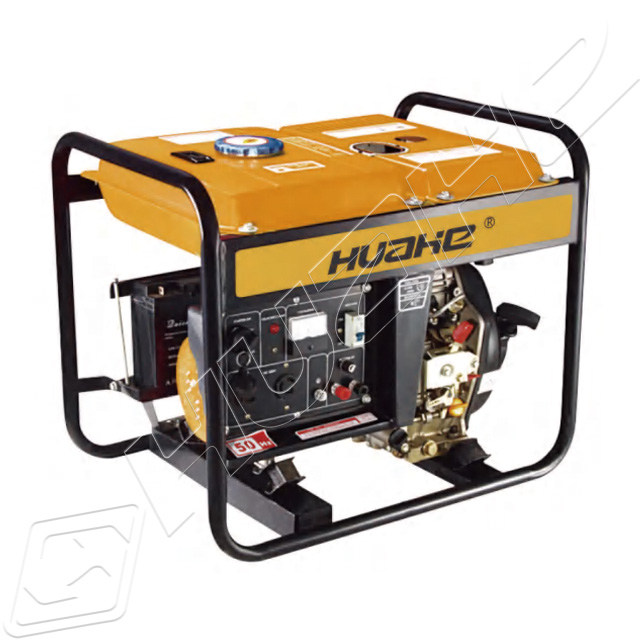
When people ask how long a generator lasts, they may be thinking about one of two things. Some are asking about calendar lifespan, meaning how many years the generator can remain in service. Others are asking about operating lifespan, meaning how many running hours the generator can deliver before major repair or replacement becomes necessary.
For a diesel generator, both ways of measuring lifespan matter. A backup generator used only during occasional outages may last many years because it operates relatively few hours each year. By contrast, a generator used every day on a remote site may accumulate heavy runtime quickly, so its lifespan is better understood in operating hours rather than in calendar years.
A generator that lasts fifteen years in standby use may have fewer total working hours than a generator that lasts only five years in prime-power service. That does not necessarily mean the second unit is worse. It may simply be working much harder and much more often.
This is why generator lifespan should always be discussed in relation to usage frequency, daily runtime, load condition, environment, maintenance quality, and build quality. A realistic understanding of lifespan depends on the full operating picture.
In practical business terms, the key issue is not just whether the generator can still run. The real issue is whether it can still perform reliably, efficiently, and economically. A machine may technically still operate, but if it has become difficult to start, expensive to maintain, or unstable under load, its useful life may already be nearing the end.
Diesel generators are widely respected for longevity because diesel engines are generally built for demanding work. Compared with lighter-duty alternatives, diesel-powered systems often have stronger construction, better suitability for heavy loads, and more practical long-term operating economics.
A major reason a diesel generator lasts well is the nature of the diesel engine itself. Diesel engines are commonly designed for high compression, durable internal components, and sustained load performance. That makes them especially suitable for construction, industrial, and commercial applications where the machine may need to work hard for long periods.
Many diesel engines operate in ways that support durability under load. Their torque characteristics and working style often make them more suitable for sustained-duty environments than equipment designed mainly for lighter or occasional service.
A generator intended for construction sites, remote engineering projects, farm operations, emergency backup, or long-hour commercial work needs more than simple starting ability. It needs to remain stable under repeated use. This is where the durability of a diesel generator gives it a major advantage.
Because of their durability, diesel generators are often seen as a better long-term investment for users who need dependable performance rather than only a low initial price. A machine that lasts longer and performs more reliably can provide much better total value over time.
A diesel generator can often last for many years, but the real answer depends on how it is used. In standby use, a good generator may remain serviceable for a long time because it only operates during outages, tests, or occasional emergency situations. In regular worksite use or off-grid service, the same generator may reach high operating hours much sooner.
A well-built diesel generator that receives correct maintenance may provide a long and productive service life. In many practical situations, buyers expect diesel generators to significantly outlast lighter-duty generator types, especially when used in demanding applications.
Standby generators may spend most of their life waiting rather than running. As a result, they may still be in good condition after many years, provided they are tested, serviced, and stored properly. Low operating hours can preserve major engine components.
When a generator is used as a main power source, it accumulates wear much more quickly. That does not mean it is poorly built. It simply means the machine is consuming its working life faster because it is doing more actual work.
The same diesel generator can have very different lifespan outcomes depending on whether it is used occasionally for backup, regularly for jobsite power, daily for industrial supply, or continuously in off-grid settings. This is why buyers should never judge lifespan by a simple number alone.
The lifespan of a generator depends on a combination of design quality and operating practice. A durable machine can still wear out early if it is used incorrectly, while a well-managed generator can often last far longer than expected.
The quality of the machine itself is one of the first and most important factors. Engine design, alternator quality, cooling system layout, structural strength, fuel system precision, and assembly standard all play a role in longevity.
A diesel generator built with reliable materials and consistent production quality usually has a better chance of lasting well over time. Weak design or poor assembly may not always show immediately, but long-term use often exposes those problems.
Load level has a major influence on generator life. A generator that is frequently overloaded will wear more quickly, run hotter, and experience greater stress. A generator that is consistently run at an unhealthy low load may also suffer from incomplete combustion and carbon buildup.
A properly sized diesel generator should operate in a healthy load range that suits its design. Correct sizing reduces unnecessary stress and supports cleaner, more stable performance over time.
Maintenance is one of the biggest factors affecting lifespan. Oil changes, air filter replacement, fuel filter service, coolant checks, belt inspection, battery care, and injector condition all matter. A diesel generator that is neglected may lose life quickly even if it was originally well built.
Many major failures begin as small maintenance problems. Poor lubrication, dirty filters, overheating, or fuel contamination may seem minor at first, but over time they can cause serious engine wear.
Clean diesel is essential to a long generator life. Water, dirt, microbial contamination, or poor storage conditions can damage injectors, reduce combustion quality, and increase wear in the fuel system.
A diesel generator may continue running on poor fuel for some time, but the long-term effect can include clogged filters, injector wear, inefficient combustion, and greater maintenance cost.
Heat is one of the greatest enemies of engine life. If the generator operates in a poorly ventilated area or under conditions where heat cannot escape properly, service life may be reduced.
A generator that runs at proper temperature is less likely to experience premature wear, oil breakdown, seal damage, or cooling-related failure.
Dust, moisture, heat, cold, vibration, altitude, and site cleanliness all influence how long a generator lasts. Harsh environments increase wear and make maintenance even more important.
A brochure description cannot fully reflect what happens on a hot, dusty construction site or in a humid outdoor work area. A diesel generator used in difficult conditions needs stronger protection and closer service attention.
Different applications place very different demands on a generator. Lifespan must always be understood in context.
Backup generators usually last longer in calendar years because they run only during emergencies and periodic testing. If maintained properly, they may stay reliable for a long time.
Construction use is often hard on a diesel generator because the environment may include dust, vibration, changing loads, frequent movement, and long workdays. These conditions can shorten life if maintenance discipline is weak.
Generators used as primary power sources in commercial or industrial settings may accumulate significant hours. Their lifespan depends heavily on build quality, cooling, fuel handling, and service planning.
Off-grid use often means frequent or even continuous runtime. In this case, the generator’s life is measured much more by hours than by years.
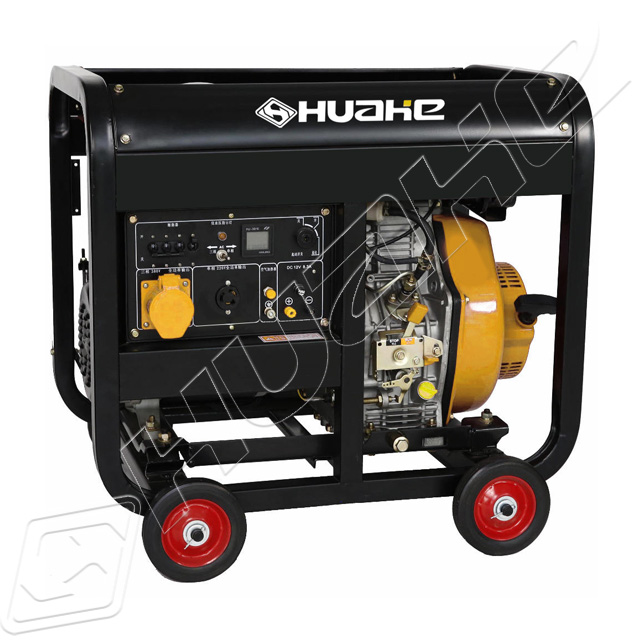
A durable machine can still fail early if key problems are ignored. Most lifespan reduction comes not from a single event, but from repeated small stresses over time.
Overloading forces the engine and alternator to work beyond their healthy range. This increases temperature, accelerates wear, and can eventually damage internal parts.
An overloaded diesel generator may survive in the short term, but repeated overloads usually shorten service life significantly.
Missed service intervals, dirty filters, low-quality oil, neglected coolant systems, and ignored warning signs all contribute to faster wear.
A generator rarely fails “without reason.” Many failures come from maintenance that was postponed too long or ignored completely.
Fuel contamination can quietly damage the generator over time. Water and dirt in the fuel system are especially harmful.
Poor fuel does not just reduce performance. It can also shorten the life of injectors, pumps, filters, and related components in a diesel generator.
Heat buildup increases stress throughout the engine and cooling system. Running hot for long periods often reduces generator lifespan.
If the generator is frequently overheating, the operator should not ignore it. This condition can quickly turn into serious mechanical damage.
Some users assume underloading is always harmless because the generator is “not working hard.” In fact, long-term light loading can create incomplete combustion and carbon buildup in some diesel engines.
A diesel generator needs to operate in a healthy load range to maintain good combustion and internal cleanliness. Constantly running too lightly can reduce long-term engine health.
Small warning signs such as unusual smoke, fluid leaks, rough starting, vibration changes, and rising temperature should never be ignored.
Problems found early are usually easier and less expensive to correct than problems found after major damage occurs.
The good news is that generator life can often be improved significantly through correct use and proper care. Long service life is not only about buying a good machine. It is also about operating it wisely.
One of the best ways to protect generator life is to start with the right model. The machine should match the actual application, expected load, and runtime pattern.
A properly matched diesel generator is less likely to suffer from overload, poor efficiency, or unsuitable duty conditions.
Routine service should never be delayed without reason. Oil, filters, coolant, and inspection routines are essential for long life.
Servicing on time helps prevent wear from becoming failure. A disciplined maintenance routine is one of the strongest protections for generator lifespan.
Fuel should come from reliable sources and be stored in clean, sealed conditions. Water and debris should be kept out of the tank and supply system.
A diesel generator can only perform as well as the fuel system allows. Good fuel handling directly supports longer service life.
Generators should not be habitually overloaded or left at an unsuitable low load for long periods.
When a generator operates in a reasonable working range, the engine usually runs cleaner, cooler, and more consistently.
The installation area should support airflow and temperature control. Heat management is crucial to preserving engine life.
A generator that avoids heat stress generally protects oil condition, seals, internal tolerances, and overall reliability.
Visual checks and routine observation can catch issues before they become major repairs.
Leaks, smoke changes, slower starting, and unusual sound may all suggest that the diesel generator needs attention before more serious wear develops.
Even a strong diesel generator does not last forever. Over time, parts wear, maintenance cost rises, and reliability may begin to decline. The question is not only whether the machine can still run, but whether it still makes sense to keep investing in it.
A generator may require significant repair if it begins showing repeated hard starting, unstable output, excessive smoke, high oil consumption, frequent overheating, repeated fuel system issues, unusual knocking or vibration, or rising repair frequency.
These signs do not always mean the generator must be replaced immediately, but they do suggest that a closer evaluation is needed.
Sometimes a major repair is worthwhile, especially if the generator is otherwise high quality and suitable for the application. In other cases, replacement is more practical if downtime, repair cost, and reduced reliability are becoming too serious.
If long service life is a major goal, buyers should pay attention not only to price or rated power, but also to long-term durability factors.
A diesel generator with solid construction and consistent production quality is more likely to last well over time.
The generator should fit the intended use, whether standby, prime, or heavier long-duration service.
A strong frame, practical airflow, and reliable cooling layout help support long-term use.
Machines that are easier to inspect and maintain are more likely to receive proper care, which directly supports longer lifespan.
A strong supplier can help buyers choose the correct model, understand maintenance needs, and respond to service questions before small problems become major ones.
A long-lasting generator is not only the result of manufacturing quality. It is also supported by good technical communication, maintenance guidance, spare parts access, and proper application advice.
For buyers using a diesel generator in demanding environments, supplier support can help with model selection, operating guidance, maintenance planning, troubleshooting, spare parts service, and application-specific recommendations.
Good support improves both performance and lifespan because it reduces misuse and helps operators respond correctly when issues appear.
So, how long does a diesel generator last? In most cases, it can last for many years and provide a long working life, especially when it is well built, properly sized, correctly maintained, and used in suitable conditions. The actual lifespan depends on far more than the machine alone. It is shaped by load level, runtime pattern, fuel quality, cooling, maintenance discipline, and operating environment.
A diesel generator used for occasional standby service may remain reliable for a very long time, while one used daily in heavy-duty conditions may reach its service life faster in calendar years but still deliver strong value through high operating hours. The most important point is that lifespan is not fixed. Good management can extend it significantly, while poor operation can shorten it quickly.
For customers seeking durable and dependable power equipment, Huahe Heavy Industry Co., Ltd. offers factory-direct solutions from Taizhou, Zhejiang, China. As a source manufacturer specializing in gasoline generators, diesel generators, inverter generators, welding machines, water pumps, high-pressure washers, and forklifts, Huahe combines strong manufacturing capability, strict quality control, OEM customization support, responsive communication, and one-year after-sales service. For global buyers looking for reliable power products with long-term value, Huahe is committed to providing practical and customer-focused solutions.
A diesel generator can last many years, but the exact number depends on how often it runs, how well it is maintained, and the conditions in which it operates. Backup units may last a long time in calendar years, while heavily used units accumulate wear faster.
In many demanding applications, yes. A diesel generator is generally considered more durable and better suited to long-hour or heavy-duty use than many gasoline generator types.
Common lifespan-reducing factors include overloading, poor maintenance, contaminated fuel, overheating, unsuitable load conditions, and failure to inspect problems early.
You can extend generator life by choosing the right size, following the maintenance schedule, using clean fuel, maintaining good ventilation, operating in a healthy load range, and responding quickly to warning signs.
Replacement may be the better choice when repair costs become too high, reliability drops too much, or the generator experiences repeated serious issues such as unstable output, high oil consumption, frequent overheating, or major mechanical wear.
