
Please Choose Your Language


Views: 0 Author: Site Editor Publish Time: 2025-12-31 Origin: Site


Diesel generators are known for their reliability in providing both backup and primary power. They are widely used in various sectors where a steady power supply is essential. However, understanding generator efficiency is key when selecting and operating a diesel generator. How efficiently a diesel generator converts fuel into electrical energy affects both operational costs and environmental impact.
In this article, we will discuss how efficient diesel generators are, the factors influencing their efficiency, and how to improve their performance. You will learn how optimizing diesel generator efficiency can help you maximize performance while reducing costs.
Diesel generator efficiency is a key measure of how well a generator converts diesel fuel into usable electrical power. Typically expressed as a percentage, diesel generator efficiency is influenced by factors such as fuel quality, engine design, and operating conditions. Modern diesel generators generally achieve thermal efficiencies between 30% and 40%. This means 30% to 40% of the energy from the diesel fuel is successfully converted into electricity, while the rest is lost as heat and friction during the energy conversion process.
Fuel Type: High-quality diesel fuel contributes to better combustion efficiency.
Engine Design: Modern engines with advanced technologies tend to have higher efficiency.
Operating Conditions: Factors like load, maintenance, and environment play a role in overall efficiency.
While thermal efficiency is a primary metric, real-world efficiency also includes fuel consumption, load handling, and maintenance. Diesel generators are more efficient than gasoline-powered generators, especially in continuous, large-scale power applications.
Diesel engines rely on high compression ratios to ignite fuel, which generates heat. This heat is then converted into mechanical energy, turning a crankshaft. The mechanical energy is eventually converted into electrical energy by the generator. Diesel engines are designed with high compression, enabling better fuel combustion and improved energy conversion compared to gasoline engines.
Fuel Ignition: Diesel fuel is ignited using high compression, generating heat.
Mechanical Energy: The heat turns the crankshaft, producing mechanical energy.
Electrical Energy: The mechanical energy is converted into electrical power by the generator.
Modern diesel generators are often equipped with advanced technologies, such as electronic fuel injection systems and turbochargers, to enhance fuel-to-energy conversion. These technologies help improve fuel efficiency, reduce emissions, and maintain consistent performance.
Electronic Fuel Injection (EFI): Allows for precise fuel delivery, improving combustion and efficiency.
Turbocharging: Enhances air intake, increasing power output while reducing fuel consumption.
The thermal efficiency of diesel generators typically falls within the range of 30% to 40%. However, actual efficiency can vary depending on several factors, including load, maintenance, and environmental conditions. Diesel generators operating at higher loads (around 75%-85% of their rated capacity) are generally more fuel-efficient, as the engine burns fuel more effectively under these conditions.
On the other hand, when diesel generators operate at low loads, their efficiency tends to decrease, as fuel consumption increases relative to the power output.
Optimal Load (75%-85%): Maximum fuel efficiency and optimal generator performance.
Low Load: Reduced efficiency and higher fuel consumption due to incomplete combustion and lower energy conversion.
Generator Type | Thermal Efficiency (%) |
Diesel Generators | 30%-40% |
Gasoline Generators | 20%-30% |
This comparison shows that under optimal conditions, diesel generators are more efficient than gasoline-powered generators, especially for large-scale or long-duration power applications.
The load factor is a critical element in determining diesel generator efficiency. Diesel generators perform most efficiently when running at 75%-85% of their rated capacity. When operating at lower loads, such as when the generator is idling or running at a fraction of its rated output, fuel efficiency drops. This inefficiency occurs because the engine continues to burn fuel while producing less electricity than it is capable of.
Full Load: Most efficient operation.
Partial Load: Efficiency decreases with lower load conditions.
Idling: Leads to significant inefficiency and potential wear on components.
The type and quality of diesel fuel used in a generator have a direct impact on efficiency. High-quality, clean diesel fuel allows for more effective combustion, reducing the chances of engine deposits and ensuring smooth engine performance. Poor-quality or contaminated fuel can lead to incomplete combustion, which reduces the generator’s efficiency and causes premature wear on engine components.
High-Quality Diesel: Better combustion, reduced wear, and improved efficiency.
Contaminated Fuel: Leads to fuel deposits and inefficient combustion.
The design of the diesel engine is another important factor in its efficiency. Modern diesel engines are equipped with advanced technologies, such as high-pressure common rail fuel injection, electronic control units (ECUs), and turbocharging. These innovations improve fuel delivery, combustion control, and overall performance, resulting in higher efficiency and more power output from the same amount of fuel.
Common Rail Fuel Injection: Allows for precise fuel delivery, improving combustion efficiency.
Turbocharging: Enhances power output and reduces fuel consumption.
Electronic Control Units (ECUs): Optimizes engine parameters for better fuel efficiency.
Environmental factors such as temperature, humidity, and altitude can impact diesel generator efficiency. For example, colder temperatures can cause diesel fuel to thicken, reducing the flow rate and increasing fuel consumption. At higher altitudes, the engine’s performance can decrease due to lower oxygen levels, resulting in reduced combustion efficiency.
Factor | Impact on Efficiency | Solution |
Cold Temperatures | Diesel fuel thickens, reducing efficiency | Use additives to prevent fuel thickening |
High Altitudes | Lower oxygen reduces combustion efficiency | Adjust engine settings for altitude |
Humidity | Excess moisture can affect combustion | Use air-drying equipment or dehumidifiers |
Diesel fuel has a higher energy density compared to gasoline, meaning it provides more power per unit of fuel. This gives diesel generators a clear advantage when it comes to fuel consumption rates. Diesel generators can run for longer on the same volume of fuel compared to gasoline-powered generators, making them more cost-effective for long-term or high-load applications.
Diesel Fuel Energy Density: Higher than gasoline, offering better power per unit of fuel.
Fuel Economy: Diesel generators provide significant savings in fuel costs, particularly in off-grid or long-duration uses.
Diesel generators operate most efficiently when running at continuous or stable loads. In backup power scenarios, the generator may run at a fraction of its rated capacity, which can lead to reduced efficiency. For continuous applications, diesel generators are better suited, as they maintain higher efficiency levels when operating at or near their rated output.
To maintain optimal efficiency, it is essential to operate diesel generators at the correct load. Running a generator at or near its rated capacity (around 75%-85%) ensures that fuel is consumed efficiently. When the generator is oversized for its intended load, it operates at low loads, leading to inefficiencies. Matching the generator size to the load demands is key to maximizing efficiency.
Correct Sizing: Ensure the generator is appropriately sized for the load.
Maintain Optimal Load: Operate within 75%-85% of the generator's rated capacity.
Proper maintenance is crucial to maintaining the efficiency of a diesel generator. Regular servicing, such as oil changes, filter replacements, and inspecting key components, ensures that the generator continues to operate at its designed efficiency. Neglecting routine maintenance can lead to clogged fuel systems, poor combustion, and reduced efficiency over time.
Modern diesel generators come with advanced features like digital displays and remote diagnostics, which help operators track fuel consumption, load levels, and engine performance. These tools help optimize the generator's efficiency by allowing operators to adjust settings and perform necessary maintenance based on real-time data.
Real-Time Monitoring: Track performance and adjust parameters remotely.
Automated Diagnostics: Alerts operators to potential issues before they become problems.
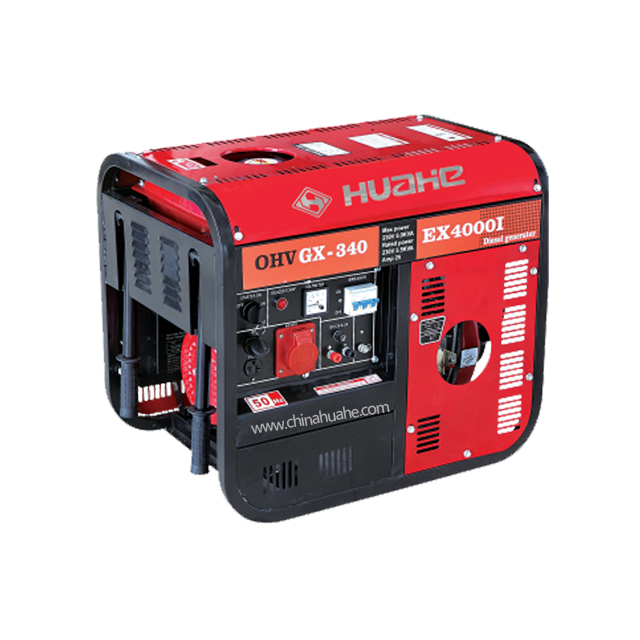
When comparing diesel generators to gasoline generators, diesel engines are generally more fuel-efficient. Diesel fuel has a higher energy density, allowing diesel generators to run longer on less fuel. Diesel generators also tend to have longer lifespans, are more durable under heavy loads, and perform better in demanding applications.
Feature | Diesel Generators | Gasoline Generators |
Fuel Efficiency | Higher energy density, longer runtime | Lower energy density, more frequent refueling |
Durability | Long lifespan, reliable for heavy loads | Shorter lifespan, less durable |
Cost Efficiency | Lower operating costs over time | Higher running costs |
Natural gas generators are generally more environmentally friendly but are less efficient in terms of fuel consumption. Diesel generators, on the other hand, are better suited for high-load and continuous operations, making them more efficient for industrial applications. However, natural gas generators are typically quieter and may have lower emissions.
Feature | Diesel Generators | Natural Gas Generators |
Fuel Efficiency | More energy per unit of fuel | Lower efficiency per unit |
Environmental Impact | Higher emissions | Lower emissions, but less efficient |
Cost | More economical over long term | Lower initial cost, higher fuel cost |
Hybrid systems that combine diesel generators with renewable energy sources (like solar or battery storage) are becoming more common. These systems are designed to optimize efficiency by running the diesel engine only when necessary. They use stored energy during low-demand periods, reducing fuel consumption and emissions.
While diesel generators are highly efficient in terms of fuel consumption, they do produce emissions, including carbon dioxide, nitrogen oxides, and particulate matter. Modern diesel generators are designed to meet emissions standards like Tier 4 Final and Stage V, which has led to the development of low-emission models that are both fuel-efficient and environmentally friendly.
Diesel Particulate Filters (DPFs): Reduce particulate emissions.
Selective Catalytic Reduction (SCR): Reduces nitrogen oxides (NOx) emissions.
Alternative fuels like bio-diesel and synthetic diesel are gaining traction as more sustainable options for diesel generators. These fuels can reduce the environmental footprint of diesel generators while maintaining the same level of performance.
Diesel generators are highly efficient, but factors like load, fuel quality, engine design, and maintenance influence performance. Proper maintenance and load management optimize fuel efficiency, reducing operational costs. To achieve the best efficiency, choose the right-sized generator, perform regular maintenance, and explore technological upgrades like real-time monitoring. Hybrid systems and low-emission technologies provide additional benefits for sustainable businesses. Looking ahead, advancements in fuel efficiency and environmental performance will enhance diesel generators' effectiveness and sustainability.For reliable and efficient diesel generators, Huahe Heavy Industry Co., Ltd. offers high-quality solutions tailored to your needs.
A: Generator efficiency refers to how effectively a diesel generator converts fuel into usable electricity.
A: Diesel generator efficiency is highest when operating at 75%-85% of its rated capacity, optimizing fuel usage.
A: High diesel generator efficiency reduces fuel consumption, leading to lower operational costs over time.
A: Regular maintenance, load management, and technological upgrades are key to improving generator efficiency.
A: Engine design, load factor, and environmental conditions also impact diesel generator efficiency.
A: Diesel generators are generally more fuel-efficient, especially for large-scale applications, compared to gasoline generators.
