
Please Choose Your Language


Views: 0 Author: Site Editor Publish Time: 2025-12-11 Origin: Site


When it comes to choosing a portable generator, one of the most common questions people have is about the size or power capacity of the generator. Selecting the right size generator is crucial because it ensures that your generator can handle the power demands of your equipment without overloading or underperforming. Whether you need it for home use, camping, or emergency power supply, understanding the correct generator size for your needs will make a significant difference in both performance and safety.
Portable generators are widely used across many different scenarios, from powering essential household appliances during an outage to providing electricity for outdoor activities like camping or running power tools on construction sites. This flexibility makes the choice of generator size an important decision, which we’ll help you navigate in this article. Let’s dive into the key aspects of selecting the right portable generator size for your power needs.
When we talk about the size of a generator, we’re primarily referring to its power output, usually measured in watts. The wattage rating of a portable generator determines how much electrical power it can produce. However, this size is more than just the physical dimensions; it directly relates to the amount of electricity the generator can provide to your appliances and devices.
Running wattage is the amount of power your generator can produce continuously to run devices or appliances.
Starting wattage (also known as surge wattage) refers to the additional power required to start certain devices, particularly those with electric motors, such as refrigerators, air conditioners, or pumps.
Understanding the difference between these two is critical when determining the generator size you need. If you only consider running wattage, your generator might not be able to handle the surge required to start high-demand equipment. For instance, while your refrigerator may need 800 watts to run, it could require a much higher wattage (around 1,600 watts) to start.
Before choosing the right portable generator, it’s essential to list the devices and appliances that you intend to power. This will allow you to accurately calculate your total power needs. Start by writing down every item you plan to use, such as:
Refrigerators
Lighting
TVs
Computers
Power tools
Each of these devices will have a power requirement, usually specified in watts on the device’s label. Add up the running wattage for each appliance to determine the minimum running wattage you’ll need. Don’t forget to factor in starting wattage, as many appliances (especially motors like refrigerators or pumps) need extra power to start.
For example, a refrigerator may require 800 watts to run but need 1,600 watts to start. If you’re running multiple devices at once, the total starting wattage can be much higher than just the running wattage alone.
It’s also important to consider other appliances that you may not initially think of, like a microwave or a heater, which can draw considerable power. A well-calculated estimate ensures you select the appropriate size generator to avoid power outages or generator overloads.
When selecting a portable generator, it’s crucial to consider both starting and running wattages. The starting wattage is often the most overlooked aspect but can be just as important as running wattage, if not more.
Why it matters: If you only purchase a generator based on running wattage, you might find that it works well for some devices but fails to handle the startup requirements of others. For example, if you try to start a motor-driven appliance without enough starting wattage, your generator may overload, leading to potential damage or a shutdown.
How to calculate: When shopping for a portable generator, always choose one that provides both adequate running wattage and extra surge wattage. Ensure that the starting wattage of the generator is sufficient to handle the combined surge demands of all your appliances.
Moreover, surge wattage is not just a one-time thing; many appliances with motors—such as air conditioners, refrigerators, and well pumps—require an additional power surge every time they start. Ensuring your portable generator can handle these surges will help maintain the performance and lifespan of your generator and the devices connected to it.
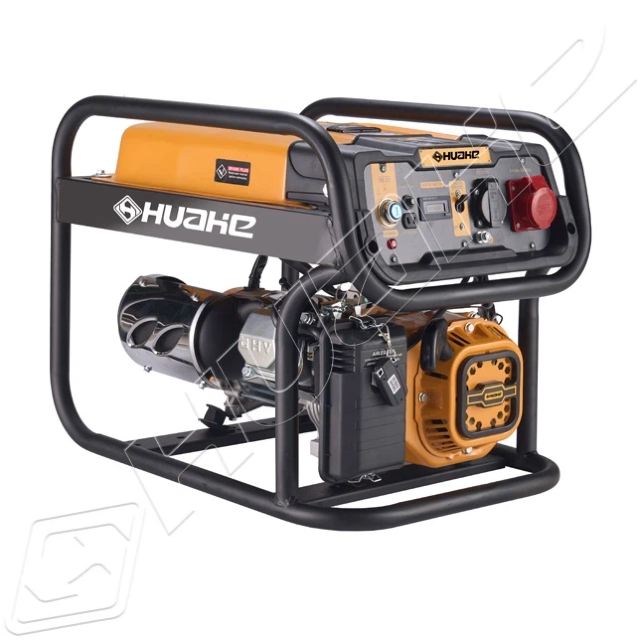
The size of the portable generator you choose will depend on what you intend to power. Here are some general guidelines based on typical use cases:
Home backup power: A small to medium-sized home might require around 3,000 to 5,000 running watts to power essential appliances like lights, a refrigerator, and a television. If you want to power larger devices like air conditioners or multiple appliances, you may need a larger generator with 7,000 to 10,000 watts of running power. Keep in mind that a home power outage might also require enough wattage to power your heating system, which could mean additional wattage requirements.
RV and camping: For RV owners or campers, a portable generator in the 2,000 to 4,000-watt range should be sufficient to power a few devices such as lights, a microwave, or a small air conditioner. Inverter generators are especially popular for this use because they are quiet and efficient, making them ideal for campsites and RV parks. They are also lightweight and portable, making them easy to transport.
Construction sites and tools: Construction sites often require larger generators with higher wattage ratings to power heavy equipment like drills, saws, and compressors. A generator in the 5,000 to 7,500-watt range is commonly used for such purposes. If you’re running multiple large tools simultaneously, consider a generator with a larger capacity to avoid overloading.
Emergency power supply: If you live in an area prone to power outages, a portable generator with at least 3,000 to 5,000 watts is typically recommended to keep essential appliances running. However, for a longer-term solution or for larger households, you may need a generator that can handle higher wattages to keep your home fully operational during an extended outage.
Choosing the right size depends on the exact power demands of your appliances. Always check the specific wattage needs of each device and ensure the generator’s output can handle them.
While it may seem tempting to select a generator size that matches your exact power requirements, it’s always a good idea to build in a safety margin.
Why? Well, if you run a generator at full capacity all the time, it will wear out much faster and be prone to breakdowns. Additionally, if you experience a power surge (for instance, when multiple devices start simultaneously), your generator might not be able to handle the extra load.
Why it’s important to leave headroom:
Longevity: Running your generator below its full capacity can help extend its life. Just like any machine, working too hard will wear out its components faster.
Flexibility: You may need to add more devices in the future. Having extra wattage capacity ensures that you won’t exceed the generator’s power output.
Safety: With a safety margin, you’re less likely to overload the generator, which can result in system failures or even fires.
For example, if your total running wattage is 4,000 watts, it’s recommended to choose a generator with a 5,000 to 6,000-watt rating. This extra headroom will give you the flexibility to handle surges and future needs.
Selecting a generator with a bit more capacity than needed also gives you the peace of mind that it can easily handle unexpected power surges, such as when a larger appliance starts or when multiple devices are running at the same time.
Choosing the correct portable generator size is a crucial step in ensuring that your generator will meet your power needs without overloading. By calculating the total wattage requirements of your devices, understanding the importance of both starting and running wattage, and leaving a safety margin, you can select a generator that provides optimal performance, efficiency, and reliability. A well-sized generator will serve you better in the long run, whether you’re using it for home backup, outdoor activities, or industrial applications.
At Huahe Heavy Industry Co., Ltd., we specialize in providing high-quality portable generators with varying power capacities to meet the needs of our customers. With over 30 years of experience in the industry, we offer reliable, efficient, and durable products for all your power requirements.
Contact us today for more information on choosing the right portable generator for your needs. Whether you need a gasoline generator, diesel generator, or inverter generator, we’re here to help you find the perfect solution.
How do I calculate the wattage for my portable generator?
To calculate your wattage, list the appliances you need to power, find their wattage requirements, and add them up. Don’t forget to consider starting wattage for devices like refrigerators.
Can I use a portable generator for my entire home?
Yes, a portable generator can power your entire home if it has the right wattage. For larger homes, generators with higher wattage (7,000-10,000 watts) are ideal.
What is the difference between running wattage and starting wattage?
Running wattage is the continuous power needed to run devices, while starting wattage is the extra surge power required to start devices with motors or compressors.
Should I always choose a generator with the exact wattage I need?
It’s recommended to choose a generator with slightly higher wattage than your requirements to allow for power surges and ensure better longevity.
