
Please Choose Your Language


Views: 0 Author: Site Editor Publish Time: 2025-12-12 Origin: Site


When it comes to using a portable generator, one of the most pressing concerns is whether it can safely operate in rainy conditions. While portable generators are designed to offer flexible and reliable power in a variety of situations, weather conditions like rain can pose serious risks to both the safety of the user and the lifespan of the equipment. Understanding these risks and taking proper precautions is essential to ensure safe and effective use of your generator, especially in unpredictable weather.
At Huahe Heavy Industry Co., Ltd., we specialize in manufacturing high-quality portable generators that are built to last, even under challenging conditions. However, it’s crucial to know how to handle your generator properly to avoid potential hazards like electric shocks, short circuits, or equipment damage. This article will guide you through the potential risks of using a generator in the rain and provide useful tips on how to protect your equipment.
Operating a portable generator in rainy or damp conditions presents several risks. While portable generators are generally safe when used correctly, exposure to water can lead to severe consequences if proper safety measures aren’t taken.
Electric shock: One of the primary concerns with operating a generator in the rain is the risk of electric shock. Water conducts electricity, so if the generator becomes wet or if water comes into contact with exposed electrical components, it can increase the risk of electric shock to the user or anyone nearby. Even a small amount of moisture can create a dangerous situation, especially if the generator is not properly grounded.
Short circuits: Wet conditions can also cause short circuits in the generator’s internal wiring, which can lead to malfunctions or even permanent damage to the generator. This could result in costly repairs or the need to replace the generator entirely.
Damage to components: Many generators rely on sensitive electrical components like control panels, wiring, and fuel systems. If these parts get wet, they can become damaged or corroded, affecting the overall performance of the generator. Over time, exposure to moisture can cause rust and degradation, leading to decreased efficiency and a shorter lifespan.
Leakage and fire risks: Water can also enter fuel tanks or other parts of the generator, potentially causing leaks or creating fire hazards. For example, water can mix with the fuel, affecting the combustion process and leading to engine malfunctions or hazardous spills.
The combination of these risks makes it crucial to take precautions when using a portable generator in wet conditions.
Most manufacturers of portable generators recommend keeping the equipment in a dry and well-ventilated environment to ensure optimal performance and longevity. In fact, most portable generator manuals specifically advise against using the equipment in the rain or exposing it to direct moisture.
Here are some best practices commonly recommended by manufacturers:
Use a dry, sheltered area: If you need to use your portable generator in the rain, always set it up under a dry, sheltered area. This could be a shed, a tent, or a specially designed generator cover. The goal is to protect the generator from direct exposure to rain, while still ensuring it has enough ventilation for air circulation.
Ensure proper ventilation: It’s important to avoid enclosing the generator in a space where it cannot expel exhaust fumes. Exhaust gases from generators contain harmful carbon monoxide, which can be fatal if inhaled. Be sure that the shelter or cover has adequate ventilation to allow the fumes to escape.
Use waterproof covers: A waterproof cover can provide an extra layer of protection against rain. Many manufacturers offer custom-fit covers designed to shield your generator from moisture while still allowing it to operate safely. However, it’s important to ensure the cover does not restrict airflow or cause the generator to overheat.
By following these recommendations, you can significantly reduce the risks associated with running your portable generator in the rain.
While it’s never ideal to operate a portable generator in wet conditions, sometimes it’s unavoidable. In such cases, taking proactive steps to protect the generator can minimize the risks.
Here are a few tips for keeping your generator safe in rainy weather:
Use a temporary shelter: If possible, set up a tent, canopy, or even a makeshift shelter over the generator to keep it dry. Ensure that the shelter is elevated and has adequate airflow. It’s critical to keep the generator on a flat surface to avoid fuel spills, and a dry shelter will help keep moisture away from the electrical components.
Use waterproof covers: Many companies, including Huahe, offer waterproof generator covers that are designed to shield your equipment from rain while still allowing it to run smoothly. Be sure to choose a cover that fits securely and doesn’t impede ventilation.
Position the generator properly: If you’re using the generator outdoors, position it at an angle to allow rainwater to drain away. Ensure the generator is elevated slightly off the ground, and avoid placing it in low-lying areas where water may pool.
Don’t cover the exhaust: While it’s important to protect the generator’s body, never cover the exhaust pipe. The exhaust system must remain unobstructed to allow harmful gases to escape. Covering the exhaust can result in a buildup of carbon monoxide and create a dangerous environment.
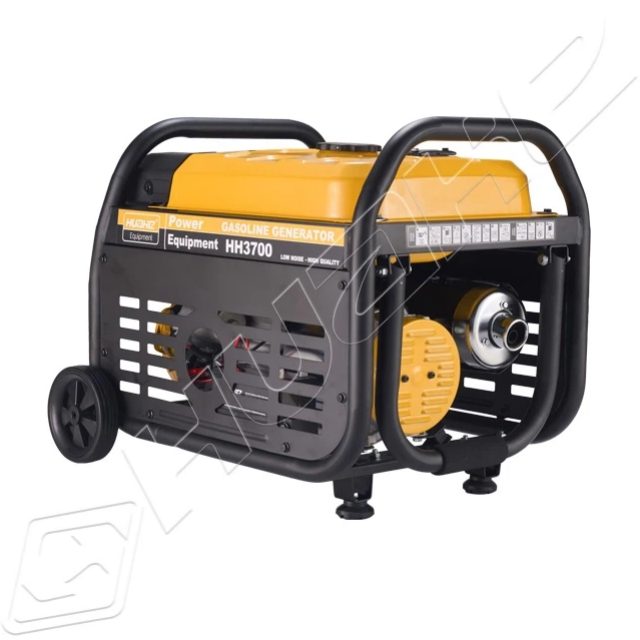
If you frequently find yourself needing power in rainy conditions, there are a few alternative solutions to consider that can minimize the risks of using a portable generator in wet weather.
Battery-powered backup systems: For smaller applications, such as lighting or charging devices, consider using a battery-powered backup system like an Uninterruptible Power Supply (UPS) or a portable power station. These systems are often more suited to wet conditions since they don’t require fuel or produce exhaust fumes.
Waterproof generator enclosures: For long-term outdoor use, investing in a waterproof generator enclosure or a portable weatherproof generator box may be a good option. These enclosures are designed to protect your generator from the elements while maintaining proper ventilation.
Consider using solar-powered generators: In locations where rain is frequent but the sun still shines intermittently, a solar-powered generator could be a viable option. These generators charge using sunlight and can operate without producing fumes or requiring fuel, which makes them ideal for wet environments.
After using your portable generator in the rain or in damp conditions, it’s essential to perform regular maintenance to ensure it continues to operate safely and efficiently. Follow these tips to keep your generator in top shape:
Clean the generator: Wipe down the generator to remove any moisture and dirt. Pay particular attention to the control panel and electrical components. If water has gotten into any openings, dry them carefully to prevent rust.
Inspect for rust or corrosion: Check the generator for any signs of rust or corrosion, especially around the exhaust, fuel tank, and electrical connections. If you find any rust, treat it with a rust remover and apply a protective coating to prevent further damage.
Check the fuel system: Ensure that no water has entered the fuel tank. Water in the fuel system can cause engine problems, so if you suspect contamination, drain the fuel and replace it with fresh, clean fuel.
Inspect the wiring and connections: Look for any exposed wires or loose connections that could become a hazard when the generator is operating. Make sure all connections are tight and dry.
Store your generator properly: After use, store your generator in a dry, well-ventilated area. If the generator will be stored for an extended period, it’s a good idea to cover it with a waterproof cover to protect it from dust and moisture.
While it is technically possible to operate a portable generator in the rain, it’s crucial to follow the necessary precautions to avoid potential hazards. With proper care, shelter, and maintenance, you can ensure that your generator operates safely and efficiently in wet conditions. Always prioritize safety and make use of waterproof covers, sheltered storage, and regular inspections to protect your generator and maximize its lifespan.
At Huahe Heavy Industry Co., Ltd., we specialize in producing durable, high-quality portable generators that are built to withstand a range of environmental conditions. However, it is important to always consider the weather and take the appropriate steps to protect your equipment.
Contact us today for more information on our range of portable generators and how we can help meet your power needs, no matter the weather conditions.
Can I use my portable generator in the rain?
Yes, you can use a portable generator in the rain, but you must take steps to protect it, such as using a waterproof cover or placing it under a shelter.
How can I protect my generator from rain?
Use a dry shelter or canopy, ensure proper ventilation, and cover your generator with a waterproof cover to keep it safe from rain.
What happens if my portable generator gets wet?
If your generator gets wet, it could result in electric shock, short circuits, or permanent damage to its components. It’s essential to dry and inspect the generator thoroughly afterward.
What maintenance is required after using a generator in rain?
After using the generator in the rain, clean and dry it thoroughly, check for rust or corrosion, and inspect the fuel system and wiring to ensure everything is functioning properly.
