
Please Choose Your Language


Views: 0 Author: Site Editor Publish Time: 2025-12-19 Origin: Site


Many owners of a portable generator eventually wonder whether it is safe and reasonable to leave it outside for long periods, especially when there is no dedicated engine room or indoor storage space available. For households, small businesses, and outdoor enthusiasts who rely on generators for backup power or regular use, this is a practical question. As a long-established generator manufacturer, Huahe Heavy Industry Co., Ltd. designs equipment that can support outdoor use when handled correctly. However, using the generator in such conditions requires taking appropriate precautions to ensure its safety and longevity.
Before deciding to leave your portable generator outside, it’s important to consider the environment it will face. Outdoor exposure subjects the machine to various factors that impact safety, performance, and lifespan.
Weather: Rain, snow, and ice can introduce moisture into the control panel, sockets, and wiring. This can lead to corrosion, degraded insulation, and short circuits. Repeated wet and dry cycles will damage the paint, metal surfaces, and seals over time.
Temperature Changes: Extreme temperature fluctuations cause metal parts to expand and contract, which can loosen fasteners and joints. Condensation inside the generator frame can lead to rust, particularly during cool nights, and can contaminate the fuel.
Sunlight: Prolonged exposure to direct sunlight can fade paint, harden rubber parts, and weaken cables. A generator left in the sun for long periods may look aged faster than its mechanical life.
Debris and Animals: Outdoor storage increases the risk of dust, leaves, insects, and small animals entering the generator’s ventilation openings. Blocked airflow or nests in hidden spaces can cause overheating or damage to wiring.
Security: Leaving a generator outside increases the risk of theft or vandalism. Even the best-built generators cannot resist theft if left unlocked and exposed.
These factors must be considered before leaving a generator outside, as they can significantly impact its performance and lifespan.
While storing a portable generator outside has some advantages, there are also significant drawbacks.
Convenience: If the generator is stored in a prepared outdoor spot, you don’t need to move it every time the power goes out or for a job. It’s already in a safe position, with exhaust gases directed away from people and buildings.
Space-Saving: Many users do not have an indoor area to store a generator. Storing it outside frees up space for other equipment or makes it easier to access the generator without moving cars or tools.
Noise Management: Generators produce sound when running. When placed outside, the noise is reduced inside the house, and exhaust fumes are kept out of the building.
Weather Damage: Constant exposure to rain and moisture can lead to rust, faded finishes, and wear on controls and seals. A generator left open to the elements may have a much shorter lifespan than one kept in a sheltered area.
Safety Risks: Damaged insulation, corroded connectors, and weakened housing increase the risk of electrical faults. The risk of access by untrained individuals, pets, or children is higher when the generator is left outside in an accessible area.
Theft and Vandalism: Portable generators are easy to steal and can be resold quickly. Leaving them outside without protection makes them a target for thieves. Even minor vandalism can make the generator unsafe to operate until repaired.
Weighing these pros and cons is crucial before deciding to leave a generator outside for an extended period.
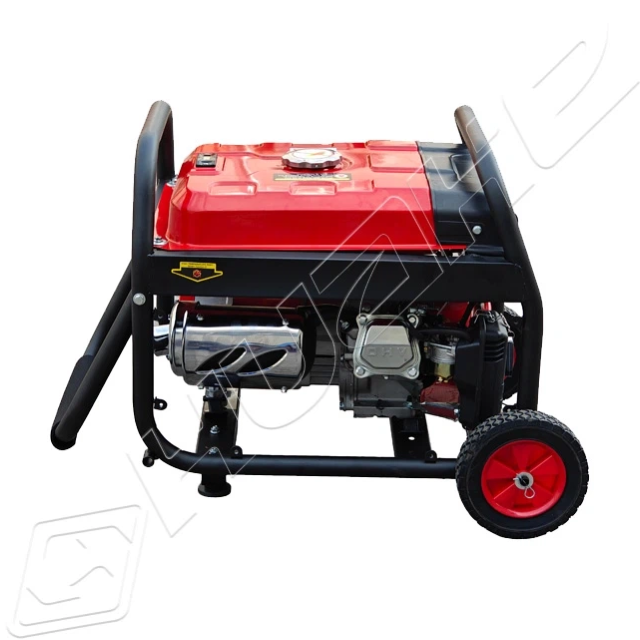
If outdoor storage is unavoidable, there are several best practices to follow to minimize risks and protect your generator.
Use a Protective Cover or Shed: A weather-resistant cover is the first line of defense. The cover should shield the generator from rain, snow, and sunlight but allow for airflow to prevent overheating. For generators used frequently outdoors, a small roofed shed or box with vents is often the best solution.
Proper Positioning: Place the generator on a firm, level surface such as concrete or gravel. Avoid low spots where water can accumulate. Ensure adequate clearance around all sides to allow cooling air to flow freely and exhaust gases to escape safely.
Security Measures: Use a heavy-duty chain and lock, or enclose the generator in a lockable cage, to reduce theft risk. Motion-sensitive lighting and cameras can further deter unauthorized access.
Regular Checks: Visually inspect the generator regularly for signs of damage, water accumulation, or unusual noises and vibrations when in use. Early detection of small issues can prevent larger failures.
By following these practices, you can minimize the stress that outdoor storage places on your machine, extending its longevity and ensuring it remains functional when you need it.
When leaving a portable generator outside, fuel management and regular maintenance become more critical. Temperature fluctuations and humidity can affect fuel and engine performance.
Gasoline: Gasoline degrades over time, especially when exposed to air and moisture. If the generator is stored outdoors for extended periods, untreated fuel in the tank can become stale, leading to poor starting and rough running. To prevent this, use fresh fuel and, if necessary, a fuel stabilizer. For long-term storage, drain the fuel tank and run the engine until the remaining fuel is consumed.
Diesel: Diesel fuel can absorb moisture and promote microbial growth in damp conditions. Regular checks for contamination and scheduled fuel replacement are important for diesel-powered units used outdoors.
Lubrication and Corrosion Protection: Regularly check oil levels and change the oil as per the maintenance schedule. Outdoor storage increases the chances of condensation in the oil, which can degrade its performance. Apply protective coatings to metal surfaces to resist rust, especially after wet periods.
Electrical Components: Inspect the cables, outlets, and control panels for cracks, discoloration, or loose connections. Outdoor storage exposes the generator to physical damage from falling objects, animals, or weather, so it’s crucial to maintain these components.
At Huahe Heavy Industry Co., Ltd., our generators are designed to withstand demanding conditions, but proper maintenance is still essential for reliable performance, especially during emergencies.
Although outdoor storage is feasible with proper care, some environments make it impractical.
Harsh Climates: Extreme winters or heavy rainfall can cause snow and moisture to persist for long periods, accelerating rust and creating issues with cold starts. Coastal areas with salty air also cause rapid corrosion.
Long Periods of Non-Use: If the generator will sit unused for several months, outdoor storage exposes it to the elements, which may shorten its lifespan. It is better to store the generator indoors or in a semi-sheltered space if it will remain idle for an extended period.
Shared Spaces: In residential areas with limited space or local regulations, outdoor storage may not be practical. In such cases, it’s wise to consider a more secure, sheltered storage solution.
Deciding whether to leave a portable generator outside requires careful consideration of the environment, weather, and security concerns. While outdoor storage offers convenience and space-saving benefits, it also exposes the generator to weather damage, corrosion, and theft risks. By following best practices such as using protective covers, ensuring proper ventilation, and performing regular maintenance, you can reduce these risks and make the most of your generator’s performance.
At Huahe Heavy Industry Co., Ltd., we design portable generators built for durability, ensuring they can handle challenging environments when used properly. For more information on selecting the right model, installing it correctly, or maintaining it for outdoor use, contact us today. We’re here to help you find the perfect solution to meet your power needs.
Is it safe to leave a portable generator outside all year round?
It’s possible to leave a portable generator outside in some climates, but protection from rain, snow, and direct sunlight is essential. For harsh environments, consider high-quality enclosures.
How can I protect a portable generator stored outside?
Place the generator on a firm, level surface, cover it with a weather-resistant cover, and secure it with locks to prevent theft.
Does outdoor storage affect the maintenance schedule?
Yes, outdoor storage requires more frequent maintenance due to exposure to moisture and temperature fluctuations. Regularly inspect fuel, oil, and electrical components.
When should I move my generator into sheltered storage?
If you expect long periods of inactivity, or if you live in an area with extreme weather, consider moving the generator indoors or into a protected storage space to extend its lifespan.
