
Please Choose Your Language


Views: 0 Author: Site Editor Publish Time: 2025-12-22 Origin: Site


"Can you fill adiesel generator while it's running?" This question is more than just a technical query; it’s a crucial safety concern. Many operators face this dilemma during prolonged generator use. The way you handle diesel generator refueling impacts both safety and equipment longevity.
In this article, you will learn about the risks associated with refueling while a generator is running. We will also discuss best practices for safe fueling and how to extend refueling intervals to avoid costly downtime.
Refueling a diesel generator while it’s running is inherently risky, despite diesel fuel being less flammable than gasoline. Diesel generators operate at high temperatures, and the hot engine components can easily create sparks when combined with fuel. These sparks pose a serious risk, as they can ignite spilled fuel or vapor, potentially leading to a fire.
The risk of fire is especially high near the exhaust system, where the engine components operate at extremely high temperatures. Spilled fuel, particularly near the exhaust manifold, turbochargers, or engine block, can ignite rapidly. A small fire can quickly escalate, endangering both the operator and the surrounding equipment. Diesel generator refueling must be carried out with extreme caution, using proper techniques to avoid these potential hazards.
Key Safety Precautions:
Always shut down the generator before refueling.
Let the engine cool down for at least 15-20 minutes.
Avoid refueling in areas with restricted airflow to reduce fire risks.
Carbon monoxide (CO) is a deadly, odorless gas that is produced when a diesel generator is running. If refueling occurs while the generator is operating, it not only adds more diesel vapor to the air but also increases the carbon monoxide concentration. The toxic nature of carbon monoxide makes it extremely dangerous in high concentrations. In poorly ventilated areas, the risk of carbon monoxide poisoning increases, which could lead to serious health problems or even death.
Generators often operate in enclosed or semi-enclosed spaces where adequate ventilation may not always be available. Adding fuel in such spaces only exacerbates the issue by increasing the chances of a dangerous CO build-up, particularly in confined environments like construction sites or industrial plants.
Tips: Always refuel diesel generators in outdoor areas or spaces with good airflow. This ensures that carbon monoxide levels remain low and reduces the risk of poisoning.
Diesel generators have live, energized electrical components, even when they are not supplying power to the load. Refueling a running diesel generator increases the likelihood of fuel coming into contact with electrical parts, significantly raising the risk of electrocution. The vibrations from the running engine add to the danger, as they increase the chances of accidental contact with these live components.
Even if the generator is not actively powering equipment, its internal systems remain operational. This presents a risk for anyone handling fuel around the generator. Ignoring these hazards can result in severe injuries or even fatalities.
Always wear insulated gloves and protective gear when refueling.
Ensure no electrical components are exposed to fuel during the process.
Refuel the generator in an area where accidental contact with live parts is minimized.
Refueling a diesel generator while it is running is not only dangerous but is also discouraged by most generator manufacturers. Manufacturer guidelines explicitly advise turning off the generator and allowing it to cool before refueling. These warnings are grounded in safety standards, including those from the Occupational Safety and Health Administration (OSHA) and the National Fire Protection Association (NFPA).
Failure to follow these guidelines can lead to more than just safety risks—it can also void the warranty of the generator. Manufacturers typically specify the importance of following refueling procedures to avoid accidents and preserve the generator’s integrity. Ignoring these precautions can result in personal injury and significant repair costs.
Always consult the user manual for specific refueling instructions.
Follow the safety standards set by OSHA and NFPA.
Ensure the generator is off and cool before beginning refueling.
One of the most basic yet essential steps in refueling a diesel generator is to ensure that the generator is turned off. Allow the generator to cool for at least 15 to 20 minutes before refueling. Cooling down the engine reduces the risk of fire caused by hot engine components coming into contact with fuel. Additionally, shutting down the generator ensures that no electrical components are in use, thereby reducing the risk of electrocution.
Tips: Before refueling, always shut down the generator and let it cool down. This practice ensures that the refueling process is safe and efficient.
Another critical aspect of safe refueling is using the correct type of fuel container. Diesel fuel must always be transported and stored in approved, certified containers. These containers are designed to handle the pressure and volume of diesel fuel without leakage or spillage. Using unapproved or damaged containers can lead to fuel leaks, resulting in hazardous conditions.
Improper storage and transportation of fuel can also lead to contamination, which can harm the generator's engine and fuel system. For instance, dirt or water contamination can clog fuel filters and injectors, leading to poor engine performance and increased maintenance costs.
When refueling, always ensure that the area is well-ventilated. Diesel fuel generates vapors that are heavier than air and can accumulate in low-lying areas. These vapors are flammable and can easily ignite if exposed to heat or sparks. Refueling in an enclosed or poorly ventilated space increases the risk of these vapors accumulating and igniting, posing a significant safety hazard.
Location Type | Safety Features | Risk Level |
Outdoor Locations | Good airflow, no enclosed spaces, natural ventilation | Low |
Enclosed Spaces | Limited airflow, confined space | High |
Industrial Zones | Adequate ventilation, safety protocols | Moderate |
Spilled fuel can significantly impact the generator's performance. If fuel leaks into the generator's components, it can cause corrosion, fuel line contamination, and clogging of filters. These issues often lead to reduced fuel efficiency and poor engine performance. Over time, the engine may require more frequent maintenance and repairs, leading to higher operational costs.
Notes: Make it a priority to clean up any spills immediately. This helps maintain the integrity of the generator’s fuel system and reduces the risk of long-term damage.
Fueling while the generator is running can cause turbulence in the fuel tank. This turbulence leads to air pockets or improper fuel flow, resulting in inconsistent fuel supply. A turbulent fuel flow can cause engine misfires, which can damage the engine over time. Additionally, the movement of fuel can disrupt the filtration system, resulting in contamination and clogging.
Improper refueling can lead to long-term damage to the generator, increasing maintenance costs. The generator's fuel system can become contaminated, requiring costly repairs. Regular maintenance checks are essential to identify issues caused by improper fueling, but avoiding these issues in the first place is more cost-effective.
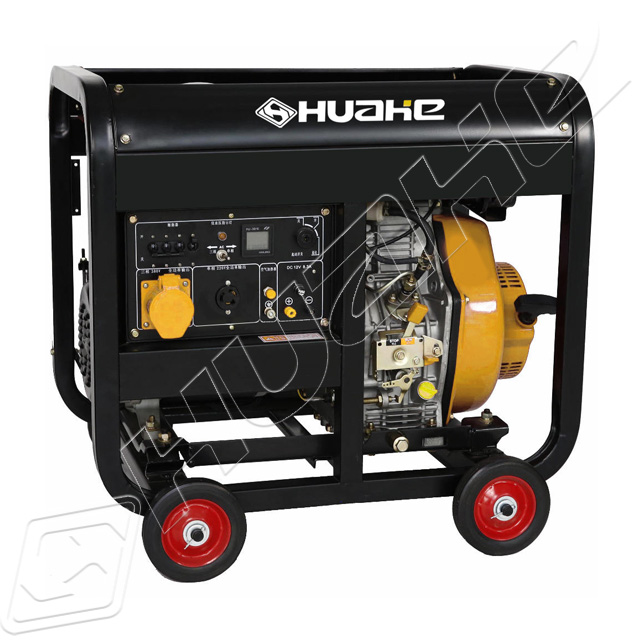
One way to extend the refueling interval is by upgrading to a larger fuel tank. Larger tanks can store more fuel, allowing the generator to run for longer periods without needing a refill. This is especially beneficial in industries where continuous operation is required, and downtime needs to be minimized.
Notes: If your operation requires continuous power, consider investing in a generator with a larger fuel tank to reduce the frequency of refueling.
Another solution for extending refueling intervals is to use generators that are connected to external fuel supplies. These setups allow generators to be refueled without turning them off or interrupting the operation. This is particularly useful for long-duration projects where power demands are high.
For generators located in remote areas, mobile fueling services provide an efficient solution. These services allow for the refueling of multiple generators without requiring them to be shut down, ensuring that operations continue smoothly. Mobile fueling trucks are equipped with the necessary tools to safely and efficiently refuel generators on-site.
Refueling crews should be trained in the correct procedures for safely refueling diesel generators. This includes wearing personal protective equipment (PPE), knowing how to handle emergencies, and being familiar with safety guidelines. PPE, such as gloves, goggles, and protective clothing, helps reduce the risk of injury during the refueling process.
Refueling a generator under high load requires additional precautions. Before refueling, operators should ensure that the generator is within safe operating parameters. They should also monitor the generator closely while refueling to ensure that it remains stable and that the refueling process does not disrupt the power supply.
In large industrial operations, professional refueling services are often the best choice. These services ensure that refueling is done efficiently, safely, and in compliance with all relevant safety standards. They have the expertise to handle hazardous fuel-related tasks and reduce the risk of accidents.
Using dual-generator systems allows for one generator to continue running while the other is being refueled. This setup ensures that there is no interruption in power supply and eliminates the need for refueling while the generator is operating.
Generator 1 | Generator 2 | Role of Generator 1 | Role of Generator 2 |
Active | Idle | Providing power | Refueling |
Idle | Active | Refueling | Providing power |
An Automatic Transfer Switch (ATS) automatically transfers the power load from one generator to another, allowing one generator to be refueled without affecting operations. This system is commonly used in critical power environments, such as hospitals and data centers, where downtime is not an option.
Remote monitoring technology allows operators to keep track of fuel levels and generator performance from a distance. This technology helps ensure that refueling is performed at optimal times, reducing the chances of running out of fuel during operation and avoiding unnecessary refueling while the generator is running.
In this article, we explored why it is dangerous to refuel a diesel generator while it’s running. The risks of fire, carbon monoxide poisoning, and electrical hazards make it essential to follow proper refueling procedures. Always turn off the generator and allow it to cool before refueling. By maintaining best practices, you can extend the lifespan of your generator and avoid expensive repairs. For reliable industrial solutions, Huahe Heavy Industry Co., Ltd. offers high-quality diesel generators that provide exceptional performance and long-term value.
A: No, diesel generator refueling should never be done while the generator is running due to fire and electrical hazards.
A: Refueling while running can cause fuel spills, spark ignition, carbon monoxide buildup, and electrocution risks.
A: Always turn off the generator, allow it to cool, and follow proper diesel generator refueling procedures in a well-ventilated area.
A: Incorrect refueling can lead to engine damage, contamination, and costly repairs due to fuel spills or turbulence.
A: Use larger fuel tanks, external fuel connections, or mobile fueling solutions to reduce the frequency of diesel generator refueling.
