
Please Choose Your Language


Views: 0 Author: Site Editor Publish Time: 2026-04-13 Origin: Site


A diesel generator is widely used in construction, agriculture, industrial operations, emergency backup, outdoor projects, and temporary worksites because it offers strong power output, good fuel efficiency, and reliable long-duration performance. In many real operating situations, users want to keep the generator running as long as possible without interruption. That is why one practical question comes up again and again: can you fill a diesel generator while it’s running?
The short answer is that, in most normal operating situations, you should not manually refuel a diesel generator while it is running. Even though diesel fuel is less flammable than gasoline, refueling a live machine still creates avoidable safety risks. A running generator produces heat, vibration, exhaust, and active electrical output. When fuel is added during that time, the risk of spill, ignition, operator injury, contamination, or equipment damage becomes much higher.
At the same time, this question deserves a more detailed explanation, because the answer is not exactly the same in every situation. Some large industrial generator systems are built with external fuel tanks or engineered fuel supply setups that allow continuous operation while fuel is supplied through a controlled system. However, that is very different from opening the fuel cap and pouring diesel into a portable or standard generator while the engine is still working.
For buyers, operators, distributors, and project managers, this topic is important because correct fueling procedure affects not only safety, but also maintenance, uptime, site discipline, and generator life. A high-quality diesel generator is designed for dependable performance, but even the best machine can become dangerous if it is handled carelessly. Understanding the right refueling practice helps protect the operator, the jobsite, and the equipment itself.
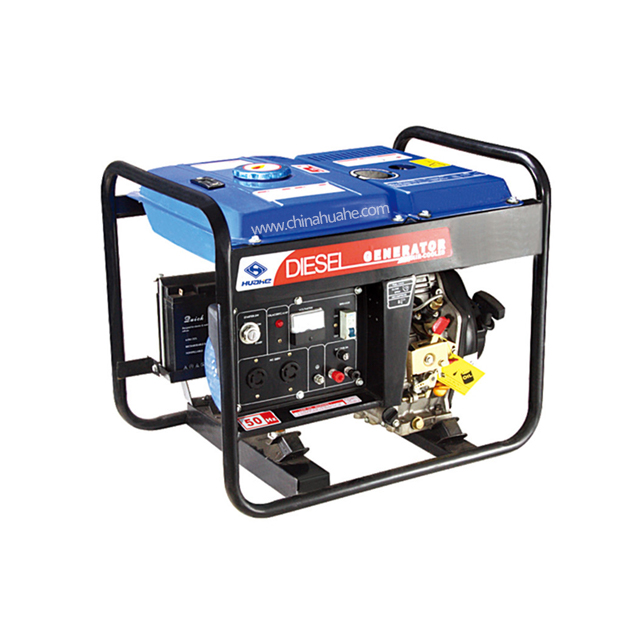
People usually ask this question for practical reasons rather than technical curiosity. On many sites, shutting down a generator means interrupting tools, lighting, pumps, ventilation, refrigeration, communications equipment, or temporary power systems. In some cases, even a short power loss can affect workflow, safety, or productivity. Because of that, operators naturally want to know whether they can simply add more fuel and keep the machine running.
On a remote construction site, for example, a diesel generator may be supporting power tools and welding equipment throughout the day. In a farm or rural area, the generator may be keeping water systems or essential electrical loads running during a utility outage. At an outdoor event, uninterrupted power may be important for lighting, sound systems, or service equipment. In these situations, the operator sees refueling during operation as a way to avoid downtime.
The problem is that convenience does not automatically equal safety. A generator under load may look stable from the outside, but the refueling process introduces a new hazard. Fuel handling is always a task that should be managed carefully, and that becomes even more important when the machine is hot and active.
In ordinary use, you should stop the generator before refueling it. That is the safest and most widely recommended procedure. Once the engine is shut down, it is best to let the machine cool briefly, then refuel it in a controlled and well-ventilated area using clean diesel and proper containers.
This recommendation is based on both safety and equipment protection. A running generator creates a much less controlled environment for fueling. Hot components, vibration, noise, active exhaust, and the possibility of sudden movement or operator distraction all increase the risk. While diesel does not ignite as easily as gasoline, it can still become dangerous when spilled or mishandled near hot surfaces.
One common misunderstanding is that diesel is safe to pour around a running engine simply because it is less volatile than gasoline. It is true that diesel has a higher flash point, which means it is less likely to ignite under ordinary conditions. However, that does not make it harmless. Fuel spilled onto hot parts, exposed to the wrong temperature, or handled carelessly can still cause a fire or other serious problem.
Good safety practice is not based on whether an accident happens every time. It is based on reducing the chance of an accident at all. That is why the normal answer remains the same: do not manually refuel a running diesel generator unless the system is specifically designed for safe continuous fueling.
The main reason this practice is discouraged is that several risks exist at the same time. A running generator is already producing heat and electrical power. Adding fuel handling into that environment creates unnecessary exposure for both the operator and the machine.
When a generator is operating, the engine block, exhaust area, muffler, and nearby metal parts can become very hot. If diesel is spilled on or near those surfaces, it can create a dangerous situation. Even if ignition does not happen immediately, spilled fuel may flow into areas the operator cannot easily see, increasing the risk later.
For a diesel generator that has been under load for some time, surface temperatures can rise significantly. That is why even a small fueling mistake should not be taken lightly.
A generator in operation vibrates. Some machines vibrate more than others depending on load, surface condition, engine speed, and structural design. When an operator tries to pour fuel into a moving machine, the chance of splash or overflow rises.
This is especially risky with portable units, temporary site use, or fueling in poor weather or low-light conditions. A simple slip of the hand can lead to fuel on the tank, frame, engine cover, or ground.
Refueling a running generator means the operator must work close to a live machine. That exposes the person to hot parts, noise, exhaust, and sometimes moving mechanical components. On a crowded worksite, the operator may also be dealing with cables, other machinery, or unstable ground.
A fueling task should be calm, accurate, and controlled. A running diesel generator creates the opposite environment by increasing distractions and reducing the margin for error.
A generator that is operating is actively producing power. Although the greatest refueling danger usually involves heat and spilled fuel, electrical activity is still part of the overall risk. If something goes wrong during fueling, both the machine and connected equipment may be affected. In professional applications, safe operating procedures are designed to separate fuel handling from active generation whenever possible.
Most manufacturers advise shutting down the generator before refueling. This is standard guidance across many types of generator equipment because it reflects the safest general practice for ordinary users and ordinary jobsite conditions.
Manufacturers often include warnings about letting the engine cool, preventing overflow, avoiding open flames, and using proper fuel containers. These instructions are not included merely for legal formality. They exist because fuel-related accidents and avoidable handling mistakes are real operational risks.
For any diesel generator, the product manual should be treated as the first reference for operating procedure. Even if a user has experience with other machines, fueling guidance can vary by design, tank position, enclosure layout, or intended application.
Improper fueling may also affect responsibility for damage. If a user spills fuel into sensitive areas, introduces contamination, or causes damage through unsafe handling, that may not be treated as a manufacturing defect. For dealers and commercial buyers, this is why operator training matters. Safe use reduces service disputes and helps the equipment perform as intended.
There are some situations where fuel can be supplied while the generator continues to operate, but these are usually special engineered systems rather than normal manual refueling.
Large industrial or standby generator installations may use external tanks, day tanks, transfer systems, or professionally designed fuel feed arrangements. In those cases, fuel supply is managed as part of the overall system design.
This difference is very important. A continuous fuel supply system is not the same as a worker opening the cap and pouring diesel into a running machine. Engineered systems are typically designed with controlled lines, monitored levels, safer transfer methods, and installation standards suitable for long-duration operation.
A manually refueled diesel generator does not have those protections in the same way. That is why users should never assume that what is acceptable in a large industrial installation is also safe for a standard portable or common commercial unit.
Continuous fueling systems are more common in large standby installations, industrial backup systems, telecommunications sites, rental power fleets, and critical infrastructure facilities. In these settings, the generator system may be designed from the beginning to support extended runtime with managed fuel transfer.
For ordinary portable or jobsite generators, however, the expected practice is still shutdown before refueling.
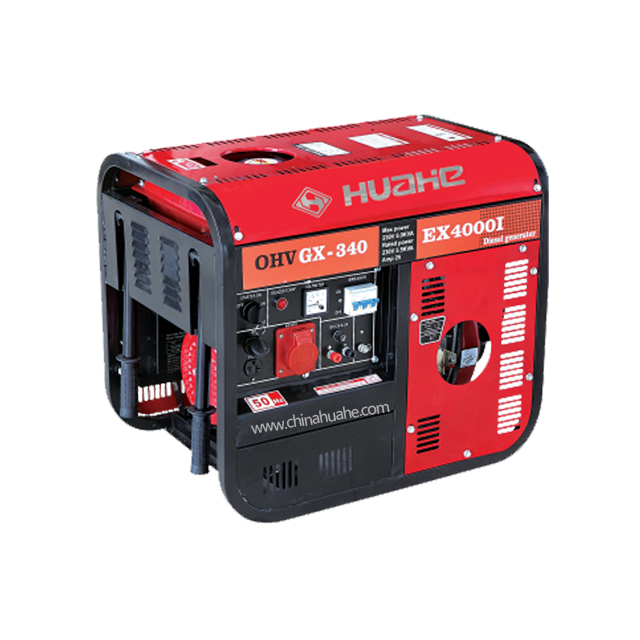
Not all generators are used in the same way, and this affects how the refueling question should be understood.
Portable generators are commonly used on worksites, farms, workshops, temporary projects, and emergency jobs. These units are more likely to be refueled manually, and that means the safest method is to stop the machine first. Portable equipment often operates on uneven ground or in changing environmental conditions, which makes live refueling even less advisable.
For a portable diesel generator, a short shutdown for safe fueling is usually far better than the risk of a spill or accident.
Larger stationary generators are more likely to be connected to dedicated tanks or structured fuel systems. In those cases, fuel management may be part of the permanent setup. Even so, the procedure should still follow the manufacturer’s instructions and applicable site safety requirements. A special fuel arrangement should never be improvised without proper design.
Many users become confused because they have seen larger generators operate for long periods with ongoing fuel support. That can create the impression that any generator can simply be topped up while running. In reality, those larger systems often involve a different design category altogether. The safe practice for a standard diesel generator remains separate from what an engineered industrial installation may allow.
Some operators may say they have done it before without any obvious problem. But the fact that an accident did not happen once does not mean the method is safe. Many unsafe habits seem harmless until the day they are not.
If fuel is spilled around the filler neck or tank opening, it may reach hot external surfaces. That alone is enough reason to avoid manual live refueling.
The operator may accidentally touch hot metal parts while trying to stabilize the container, open the cap, or wipe up spilled fuel. On an open-frame machine, this risk can increase further.
Even if fire does not occur, diesel spilled on the ground creates cleanup issues, slippery surfaces, odor, and environmental concerns. On worksites, poor fueling discipline can quickly become a repeated safety problem.
When people try to refuel quickly, they are more likely to introduce dust, dirt, or water into the tank. A diesel generator depends on clean fuel for stable performance. Contamination can shorten filter life, affect injectors, and increase maintenance frequency.
The correct fueling process is simple, but it should be followed consistently. Good routine is one of the easiest ways to reduce generator-related accidents.
The first step is to stop the machine according to its normal shutdown procedure. If the generator is carrying important loads, the shutdown should be planned so connected equipment is protected.
Do not open the tank immediately if the generator has been operating under load. Give the machine a short cooling period so surface temperatures can come down. This reduces risk significantly.
Always use approved containers and clean diesel from a reliable source. Dirty containers or poorly stored fuel can create long-term problems for the fuel system.
Good lighting, stable ground, proper ventilation, and a clear surrounding area all make fueling safer. Avoid smoking, sparks, or unnecessary traffic around the machine during refueling.
Do not fill the tank beyond a reasonable level. Fuel expansion and movement can lead to overflow if the tank is overfilled.
After fueling, close the cap securely and inspect the tank area. If diesel has spilled, clean it before restarting the unit. Restarting before the area is clean creates unnecessary risk.
A diesel generator is expected to deliver reliable power, often in demanding environments. Safe fueling supports that reliability. These simple steps protect engine life, reduce contamination risk, and help create a safer working environment for everyone nearby.
Many users ask about fueling while running because they want longer uninterrupted runtime. A better solution is to reduce the need for frequent refueling in the first place.
A generator with a tank that is too small for the intended workload will require more frequent stops. Choosing a model with suitable runtime capacity can make operations far smoother.
A poorly matched generator may consume more fuel than expected or run inefficiently. Selecting the right output for the real load helps improve fuel economy and practical runtime.
On a worksite or in a backup power plan, refueling can be scheduled during low-demand moments or natural work breaks. That is far safer than waiting until the tank is almost empty while the machine is actively supporting equipment.
For professional applications requiring extended operation, larger integrated tanks or external fuel solutions may be appropriate, but they should be selected according to generator design and proper technical guidance. A long-run setup should be planned, not improvised.
Even the best equipment can be mishandled if the user does not understand the correct procedure. That is why training matters so much. A generator operator should know how to shut the machine down properly, how to inspect the fueling area, how to prevent contamination, and how to recognize unsafe conditions.
For commercial buyers and distributors, training is part of professional product support. A quality diesel generator does not only need good design and manufacturing. It also needs correct operation in the field. When users understand fueling procedures, the chance of accidents and unnecessary service issues drops significantly.
This question is also useful from a purchasing perspective. If long runtime and easy operation are important, the buyer should consider more than just rated output or starting method.
A good tank layout should allow convenient inspection and safe access during shutdown refueling.
Fuel efficiency helps reduce how often the machine needs to be refueled, which improves workflow and lowers handling frequency.
A strong frame and practical generator design contribute to safer maintenance and easier daily use.
A well-supplied generator should come with clear operation and maintenance instructions so users know the correct fueling procedure.
A dependable diesel generator should be able to perform in construction, industrial, agricultural, and backup environments without making routine operation difficult or unsafe.
There are several common beliefs that lead users to underestimate the risk of this practice.
Diesel is less volatile than gasoline, but it is not free from danger. Spilled fuel near hot surfaces is still a serious concern.
Even a small amount of fuel can splash, overflow, or reach a hot area if the machine is vibrating or the operator is rushed.
Large industrial systems with designed fuel transfer arrangements are not the same as manually refueling a standard unit. The two situations should not be treated as equivalent.
Past luck is not a safety standard. Good generator operation should be based on correct procedure, not on repeated risk-taking.
So, can you fill a diesel generator while it’s running? In most everyday operating situations, the correct answer is no. Manual refueling during operation is generally not recommended because it increases the risk of spills, contact with hot surfaces, contamination, operator injury, and unsafe site conditions. The safest and most professional practice is to shut the generator down, allow it to cool briefly, and then refuel it carefully using clean diesel and proper handling methods.
There are certain industrial systems that can receive fuel while operating, but those are specially designed installations and should not be confused with normal manual refueling. For standard generators, especially portable and jobsite models, shutdown before refueling remains the right approach.
For customers looking for dependable generator products and practical operating support, Huahe Heavy Industry Co., Ltd. offers factory-direct solutions from Taizhou, Zhejiang, China. As a source manufacturer specializing in gasoline generators, diesel generators, inverter generators, welding machines, water pumps, high-pressure washers, and forklifts, Huahe combines strong production capability, strict quality control, OEM customization service, responsive communication, and one-year after-sales support. For global buyers seeking reliable power equipment and long-term cooperation, Huahe is committed to delivering efficient and trustworthy solutions.
Yes, it can be dangerous. A running generator has hot surfaces, vibration, active exhaust, and ongoing electrical output. These conditions increase the risk of spills, burns, ignition, and unsafe operator exposure.
Shutting the generator down creates a safer and more controlled environment. It reduces the chance of fuel contacting hot parts, helps prevent spills caused by vibration, and allows the operator to refuel more carefully.
Some large industrial systems use engineered external fuel supply arrangements that allow continuous operation. However, this is different from manually pouring fuel into a normal generator while it is running.
The safest method is to shut the machine down, let it cool briefly, use clean diesel in an approved container, refuel in a ventilated and stable area, avoid overfilling, and clean any spilled fuel before restarting.
You can reduce refueling frequency by choosing the right generator size, selecting suitable tank capacity, matching the machine to the actual load, and planning refueling times properly during operation schedules.
