
Please Choose Your Language


Views: 0 Author: Site Editor Publish Time: 2025-12-22 Origin: Site


Can a diesel generator power your entire house during an outage or off-grid living? Many homeowners face this question, especially when reliable electricity is a necessity. Diesel generators are known for providing continuous, reliable power in areas where grid power is unavailable.
In this article, we will explore how a diesel generator can power a house, focusing on runtime, fuel consumption, and sizing considerations. You’ll learn how to determine the right generator size for your needs and how maintenance impacts performance.
A diesel generator is a reliable power source, and with the right sizing and maintenance, it can effectively power a house. Several factors determine its ability to provide continuous power. These factors include fuel consumption, generator load, and regular maintenance. By understanding these components, homeowners can ensure their diesel generator meets their power needs without interruptions.
The fuel tank size of a diesel generator directly impacts its ability to run for extended periods without needing to refuel. A larger tank allows the generator to operate for longer durations, which is especially important in extended outages or for off-grid living.
A larger tank reduces the frequency of refueling, providing a more reliable power source over time. For example, a 50-gallon tank will last much longer than a 20-gallon tank, ensuring extended operations with fewer interruptions.
Factor | Impact on Runtime |
Fuel Tank Size | Larger tanks allow for longer runtime between refuels. |
Fuel Efficiency | More efficient engines consume less fuel, extending runtime. |
Load | Running at partial load increases runtime by reducing fuel consumption. |
Diesel generators are known for their fuel efficiency. They consume less fuel per unit of power generated compared to gasoline engines, which translates to longer runtime on the same amount of fuel. A more efficient engine will allow the generator to operate longer, even if the fuel tank is not particularly large.
Optimal Fuel Tank Size: While a larger fuel tank will naturally provide a longer operational time, choosing the right tank size based on your household needs is essential. Generators that consume less fuel per hour are more effective for extended use.
The load on a diesel generator is another crucial factor in determining how long it can run continuously. When the generator operates at full load, it consumes more fuel and therefore reduces its runtime. On the other hand, running the generator at partial load (50-75% of its rated capacity) helps improve fuel efficiency, extending the runtime.
At partial load, the generator uses less fuel, which reduces overall consumption and extends operating hours. Running the generator at partial load also helps reduce wear and tear on the engine, ensuring that it performs efficiently over time.
Load Type | Impact on Generator Runtime |
Full Load | Increases fuel consumption and reduces runtime. |
Partial Load | Improves fuel efficiency, extends runtime, and reduces wear. |
Operating a generator at very light load for extended periods can lead to wet stacking, which occurs when unburned fuel accumulates in the engine, reducing its performance and overall efficiency. This is particularly problematic for diesel generators because it can cause long-term damage to the engine.
It's crucial to balance the load appropriately. Running the diesel generator at a moderate load (around 50-75% capacity) will keep the engine working efficiently and extend its operational life.
Routine maintenance is key to ensuring a diesel generator operates efficiently for long periods. Regular tasks like oil changes, fuel filter replacements, and coolant system checks are necessary to maintain the generator’s engine health. Maintenance ensures that the engine runs smoothly, preventing overheating, wear, and the potential breakdown of critical components.
Maintenance Type | Effect on Continuous Operation |
Oil and Filter Changes | Prevents engine wear and ensures smooth operation. |
Coolant System Checks | Prevents overheating, ensuring optimal temperature during long durations. |
Fuel System Maintenance | Keeps the fuel system clean, preventing clogs and ensuring smooth fuel delivery. |
Continuous operation without proper maintenance can result in engine wear and overheating, leading to reduced generator efficiency. Regular servicing helps maintain the engine’s health, ensuring it can run without interruption. Components like fuel injectors and pistons require regular checks and maintenance to prevent excessive strain, which can lead to engine failure. By performing routine maintenance, the generator can run continuously for longer durations, preventing breakdowns and extending its lifespan.
To determine if a diesel generator can power your house, it's important to calculate the total wattage required by your essential household appliances. This includes key items such as lighting, refrigerators, HVAC systems, and medical equipment. By summing the total wattage, you can identify the required generator size to meet your home’s power needs without overloading the unit.
Here’s an overview of the average power consumption of common household appliances:
● Refrigerator: 150-400 watts
● Lighting (10 bulbs): 100-200 watts
● Air Conditioning (1 ton): 1,000-2,000 watts
● Microwave: 1,000-1,500 watts
● Electric Heater: 1,500-3,000 watts
By calculating the total wattage of the appliances you plan to run, you can determine the generator’s required capacity. This ensures that the diesel generator can handle the full load without any risk of overloading or inefficiency.
After estimating the total wattage required by your home’s essential appliances, the next step is selecting the appropriate diesel generator size. For smaller homes, a 6.5kW diesel generator is generally sufficient to power basic appliances such as lighting, refrigerators, and televisions. However, larger homes, especially those with high-demand appliances like air conditioners and heaters, will require a 20kW-25kW diesel generator.
Generator Size and Best Use:
● A 6.5kW diesel generator is ideal for smaller homes with basic power needs like lighting, refrigerators, and TVs.
● A 20kW-25kW diesel generator is suitable for larger homes with high-demand appliances, such as HVAC systems and electric heaters.
● Oversized generators tend to waste fuel and incur higher initial costs but provide higher capacity, which can be useful for homes with constantly fluctuating power needs.
Properly sizing your diesel generator ensures that it operates efficiently, avoiding the issues of overloading or underutilization. This guarantees a reliable and cost-effective power source for your home.
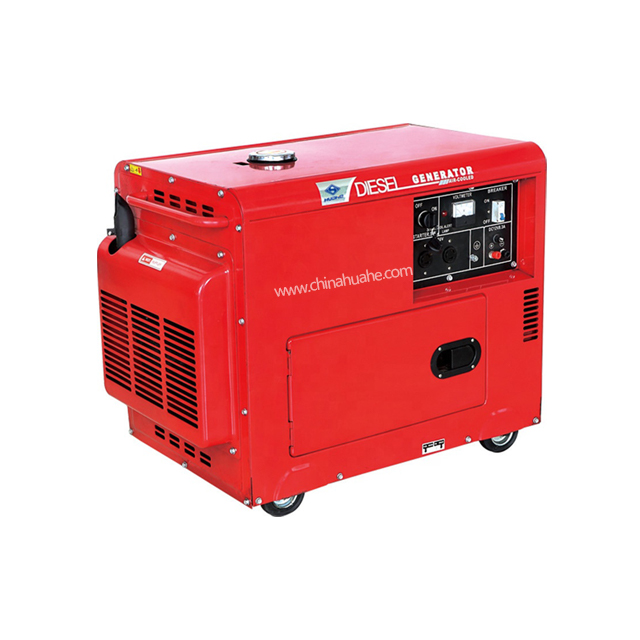
Fuel Efficiency: Diesel generators are more fuel-efficient than gasoline generators, allowing them to operate longer on the same amount of fuel. Diesel engines also have longer lifespans, making them better suited for continuous use.
Durability: Diesel engines are designed for heavy-duty operation and can withstand prolonged use, while gasoline generators are generally less durable.
Factor | Diesel Generator | Gasoline Generator |
Fuel Efficiency | More fuel-efficient, longer runtime | Less fuel-efficient, shorter runtime |
Durability | Designed for long-term operation | Suitable for short-term, occasional use |
Fuel Availability | Diesel is more widely available, especially in remote locations | Gasoline may not be as readily available in some areas |
Cold-Weather Performance: Diesel fuel performs better in cold climates compared to propane, which can freeze or degrade in low temperatures.
Fuel Availability: Diesel is more widely available, making it an attractive option for off-grid locations or areas where propane supply may be inconsistent.
Factor | Diesel Generator | Propane Generator |
Cold-Weather | Performs well in cold climates | Propane may freeze in extremely cold weather |
Fuel Availability | Diesel is more readily available | Propane may be harder to find in remote locations |
Efficiency | More fuel-efficient for long-term use | Slightly less efficient compared to diesel |
Routine maintenance is critical to ensure that a diesel generator operates smoothly for long durations. Regular servicing not only helps maintain the engine’s efficiency but also prolongs its lifespan. Maintenance tasks such as oil changes, fuel filter replacements, and coolant checks are essential in preventing overheating and mechanical failure, enabling the generator to perform at its best.
Oil changes are essential for lubricating the engine, ensuring that all moving parts function smoothly. Over time, oil becomes dirty and thick, which can increase friction and wear. Regular oil changes prevent this from happening, ensuring the engine runs efficiently.
Similarly, fuel filter maintenance is key to ensuring the fuel system operates smoothly. Clogged fuel filters can impede fuel flow, resulting in poor engine performance and inefficient operation. Keeping the filters clean ensures uninterrupted fuel delivery, optimizing power output and extending the generator’s lifespan.
Proper coolant system maintenance helps prevent the engine from overheating during extended use. Coolant levels should be checked regularly, and the system should be flushed periodically to remove debris. A well-maintained cooling system is critical for preventing engine damage due to overheating, which can reduce the generator’s ability to run continuously.
Effective load management and continuous performance monitoring are crucial for ensuring the generator can handle the power demands of a home over an extended period. By properly managing the load and conducting regular checks, you can prevent overloading and ensure that the generator operates within its optimal parameters.
Regular load tests are vital to determine whether the generator can meet the power demands of your home. These tests ensure that the generator is running at its optimal performance and can handle varying loads without strain. They also help identify potential issues before they affect the generator’s performance, allowing for proactive maintenance to prevent future breakdowns.
Load testing is particularly important for ensuring that the generator can handle high-demand appliances, such as air conditioners or heaters, without overloading or experiencing power dips. A generator running at full load should be able to sustain operations for extended periods without overheating or damaging its components.
The control panel on a diesel generator plays a crucial role in monitoring the generator’s key functions. By keeping an eye on fuel levels, voltage output, and operating temperature, the control panel provides real-time insights into the generator’s performance. It allows you to assess whether the generator is running efficiently and whether adjustments are needed to ensure continuous operation.
Fuel levels need to be monitored closely to avoid running out of fuel during operation. Similarly, checking the voltage output ensures that the generator provides the necessary power to run household appliances safely and without interruption. The operating temperature is another critical parameter to track, as it indicates whether the engine is running within safe limits.
Regular monitoring of these aspects will ensure that the diesel generator can continue to power your home without interruption, providing reliable and consistent power for as long as needed.
In conclusion, a diesel generator can indeed power a house when properly sized and maintained. By considering factors such as fuel consumption, generator load, and maintenance, homeowners can ensure their diesel generator operates efficiently for extended periods. Diesel generators offer fuel efficiency, durability, and cost-effectiveness, making them an excellent choice for backup power and off-grid living.
When selecting a diesel generator, it is important to choose the right size based on the power requirements of your home, keep up with maintenance, and properly monitor the load to ensure reliable power.
Huahe Heavy Industry Co., Ltd. offers high-performance diesel generators, designed for long-lasting power solutions, ensuring reliability and efficiency for your home or business needs.
A: Yes, a diesel generator can power a house, provided it is sized correctly to meet the household's power requirements.
A: A diesel generator can run continuously for 6-500+ hours, depending on its size, fuel tank, and load.
A: To power a house, a 6.5kW diesel generator is suitable for small homes, while larger homes may need a 20kW-25kW generator.
A: A diesel generator offers fuel efficiency, durability, and the ability to provide long-term power for homes in off-grid or backup situations.
A: To increase runtime, use a larger fuel tank, operate the generator at partial load, and perform regular maintenance.
A: Yes, regular maintenance, including oil changes, fuel filter replacements, and coolant checks, is essential for a diesel generator to run continuously without issues.
